

The community magazine for the community
Powered by 
The community magazine for the community
Powered by
© Design Courier. Powered by Medelhan. Developed by Broadweb.80
| CANVAS OF PLANS & DRAWINGS |
INTERIOR & DÉCOR, but with a twist |
| HOTELS & RESTAURANTS, beyond mainstream |
Notes on ART |
| Into big AFFAIRS | INSIDERS |
| GLIMPSES | |
Keywords:

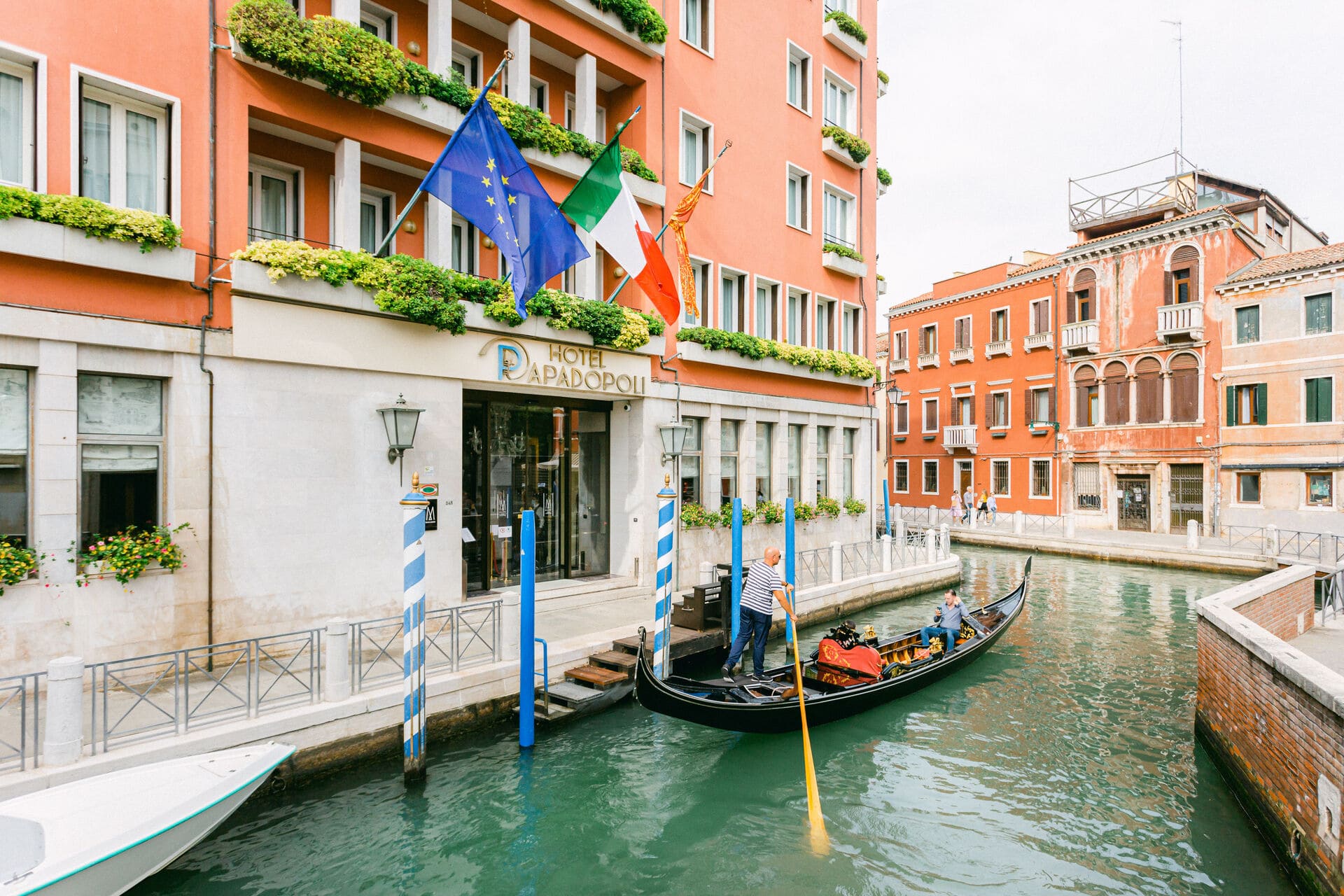
The hotel’s origins date back to the early 19th century, when Count Spiridione Papadopoli acquired the former convent of Santa Croce to create a residence for his wife, Teresa Mosconi. Working with the architect Francesco Bagnara, Papadopoli developed what would become the Papadopoli-Foresti Palace and its surrounding gardens. The estate was designed not only as a private residence but as a venue for social gatherings, reflecting the broader culture of Venetian high society at the time. Over the subsequent decades, the property underwent multiple transformations – from private palace to municipal ownership, partial demolition for urban development, and eventual conversion into a school, before emerging as a hotel in the mid-20th century.

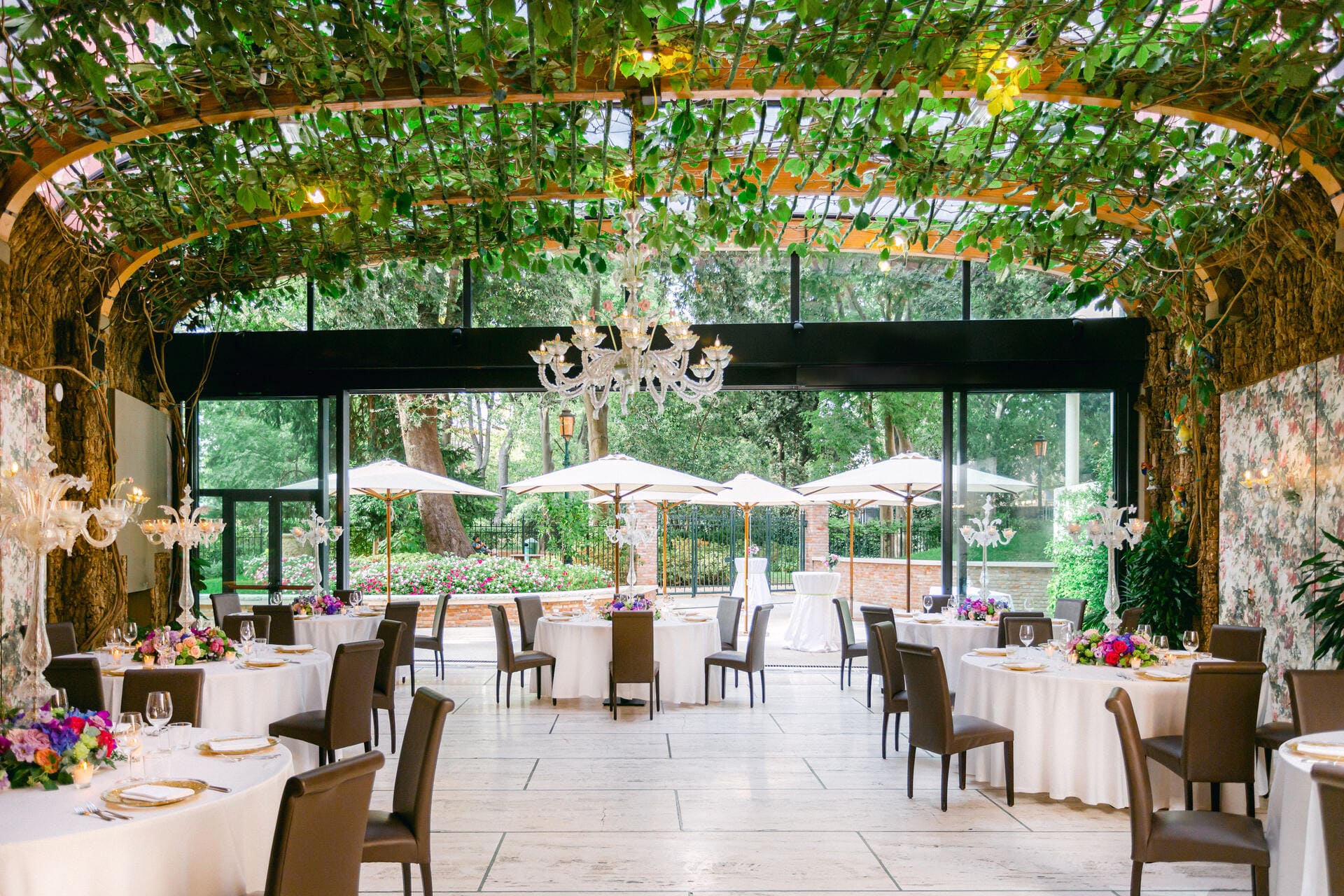
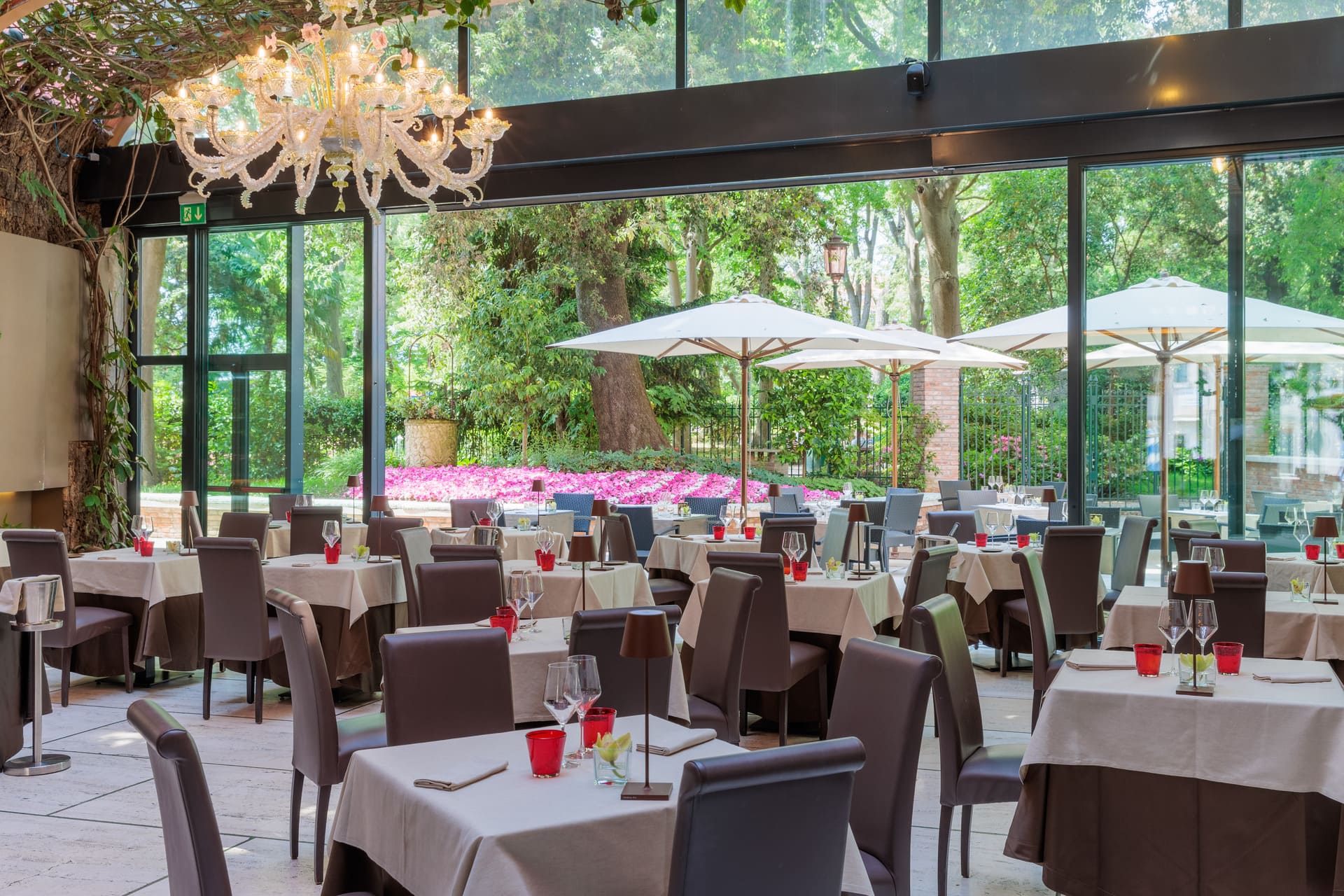
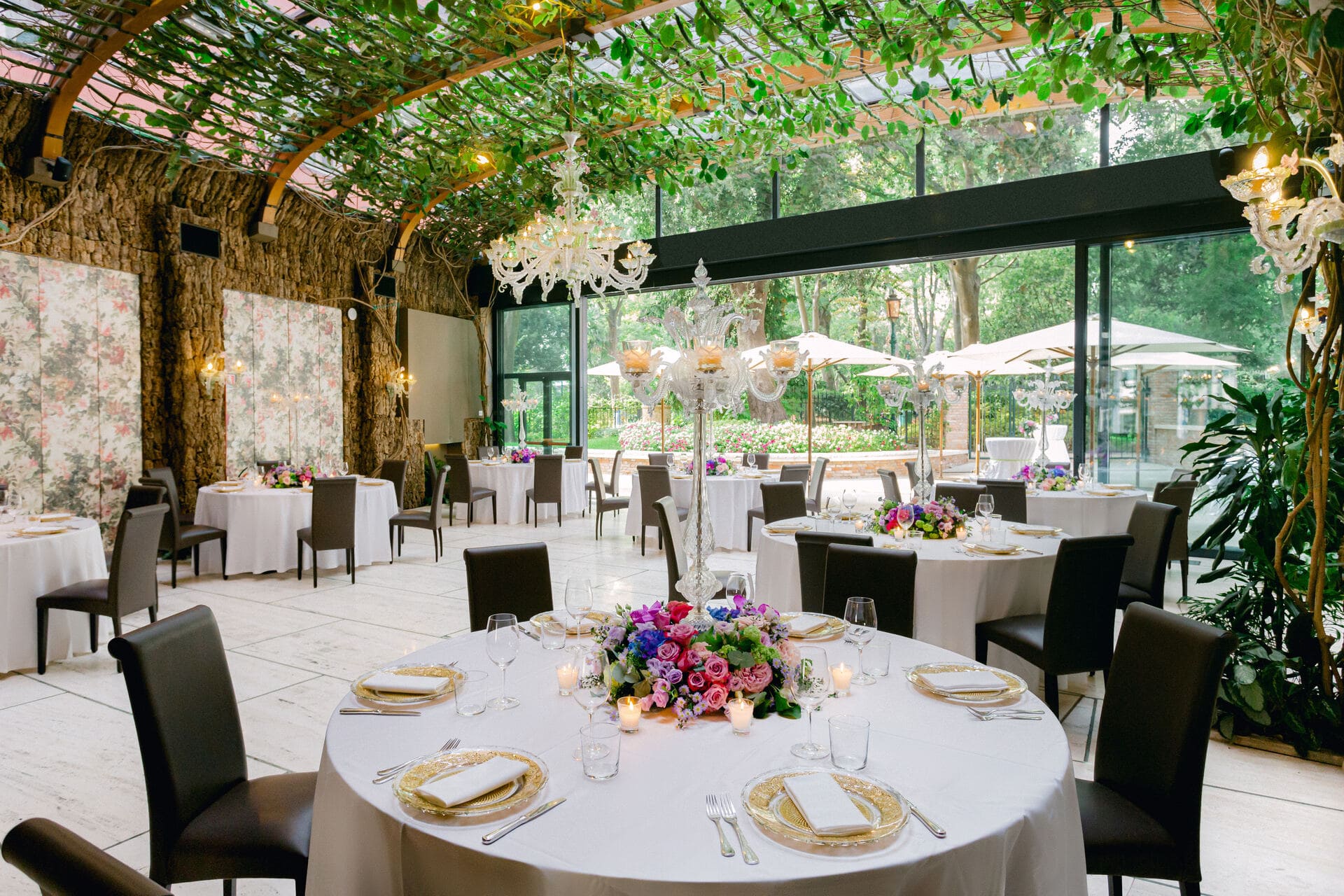
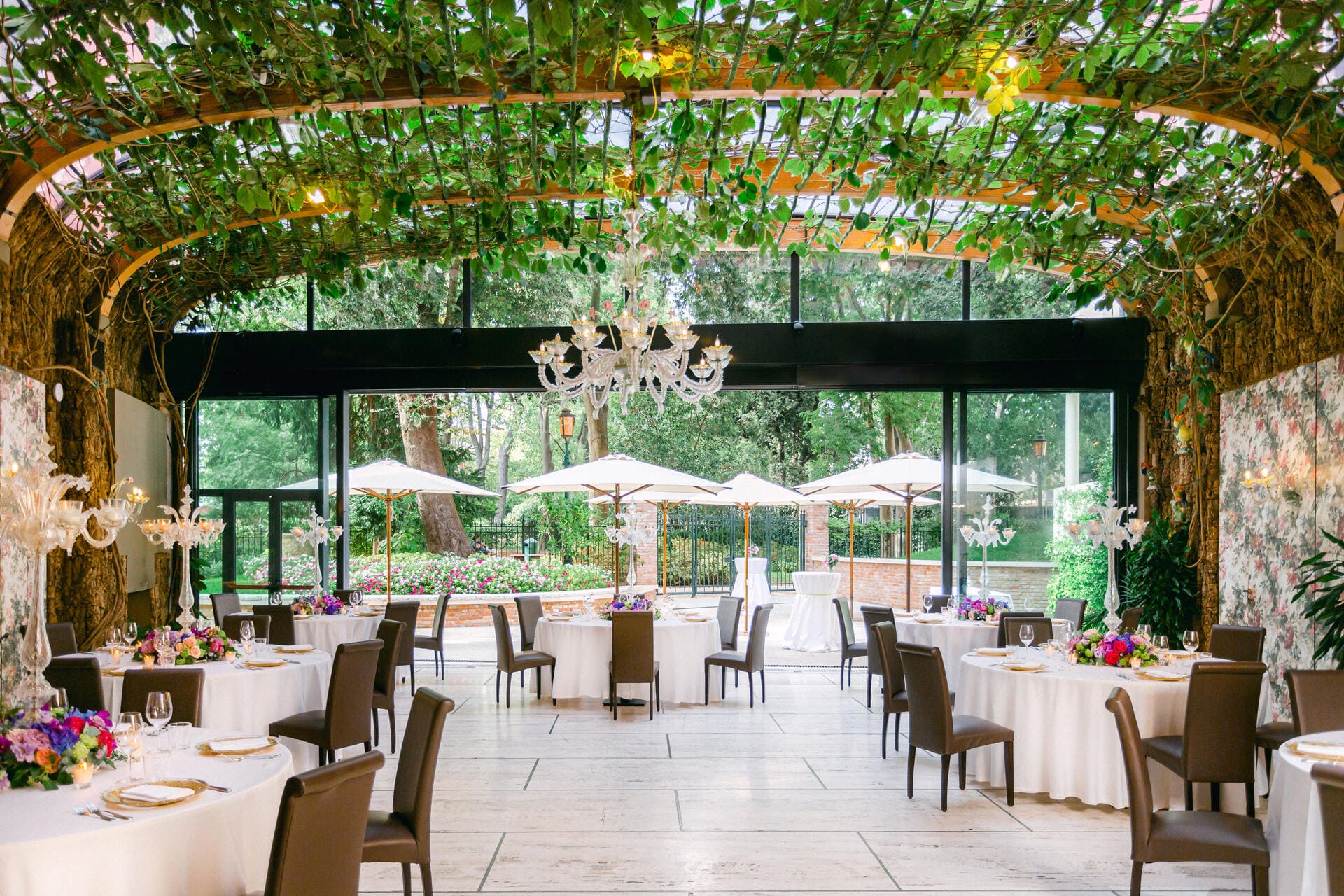
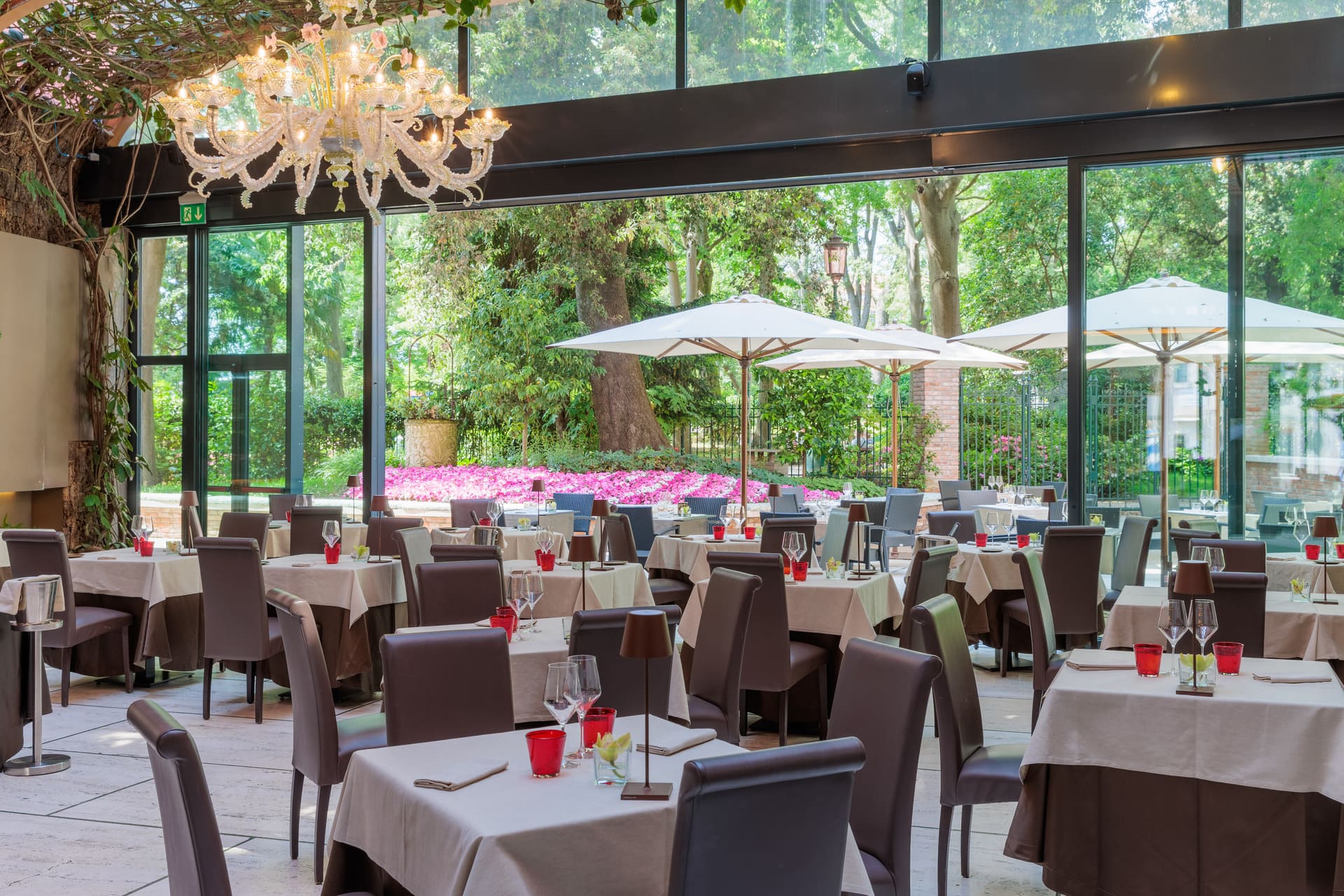
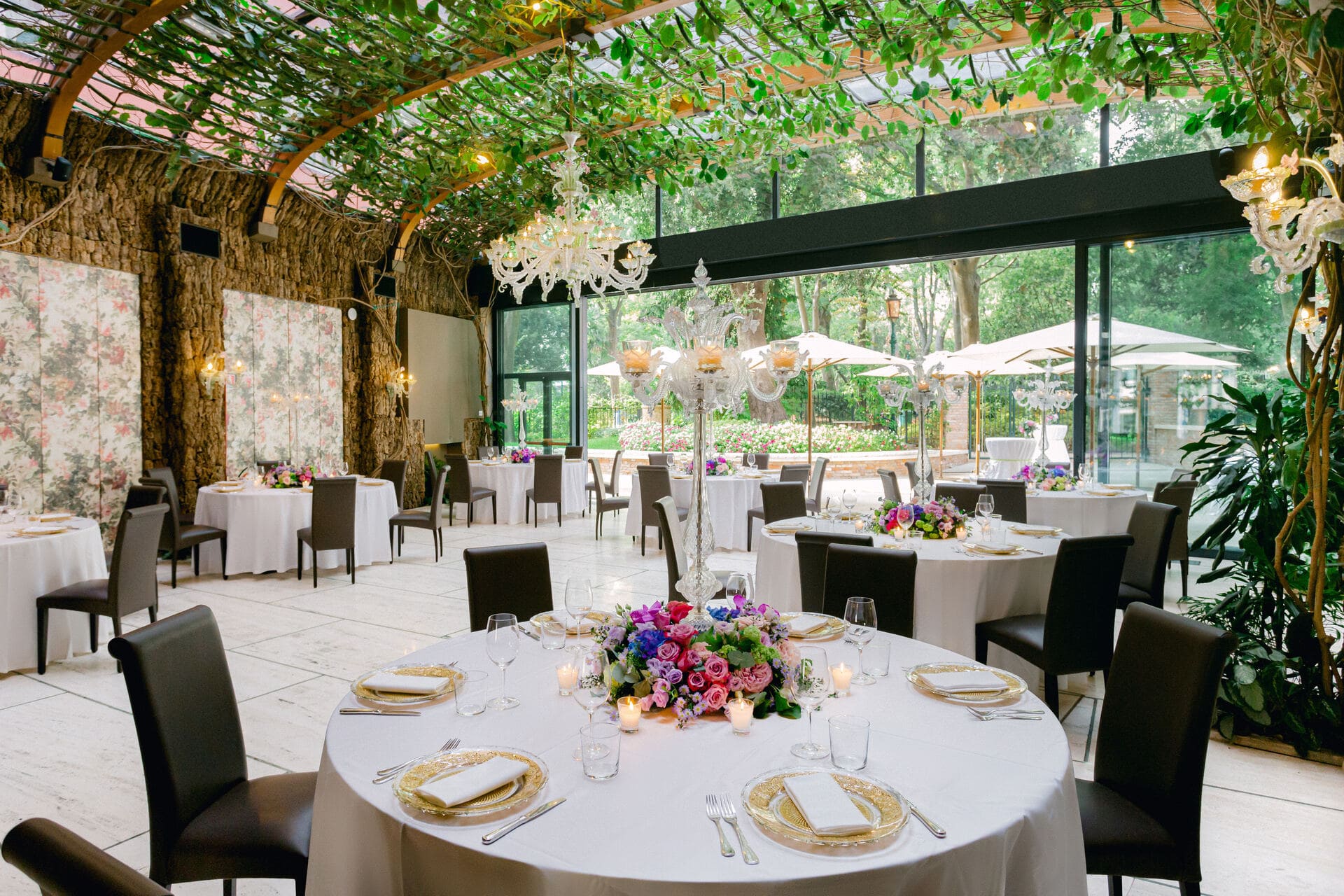
The transformation into a boutique hotel involved both architectural and landscape interventions. Pietro Porcinai, a Tuscan landscape architect, was commissioned to design the Winter Garden, a carefully conceived indoor-outdoor space that nods to the original gardens while serving contemporary functional needs. Today, this area operates as the hotel’s primary restaurant, demonstrating how heritage design can coexist with modern operational requirements.
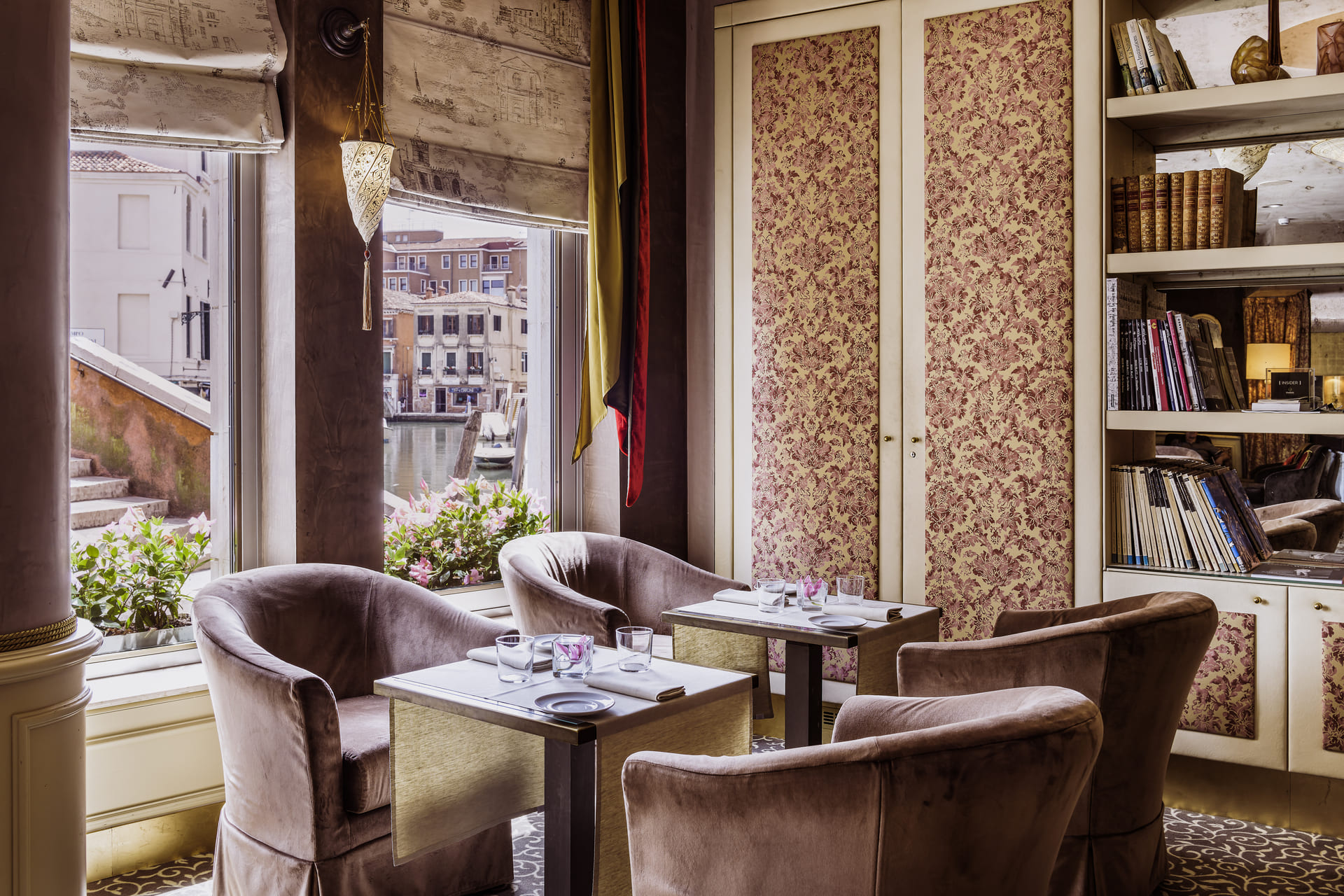
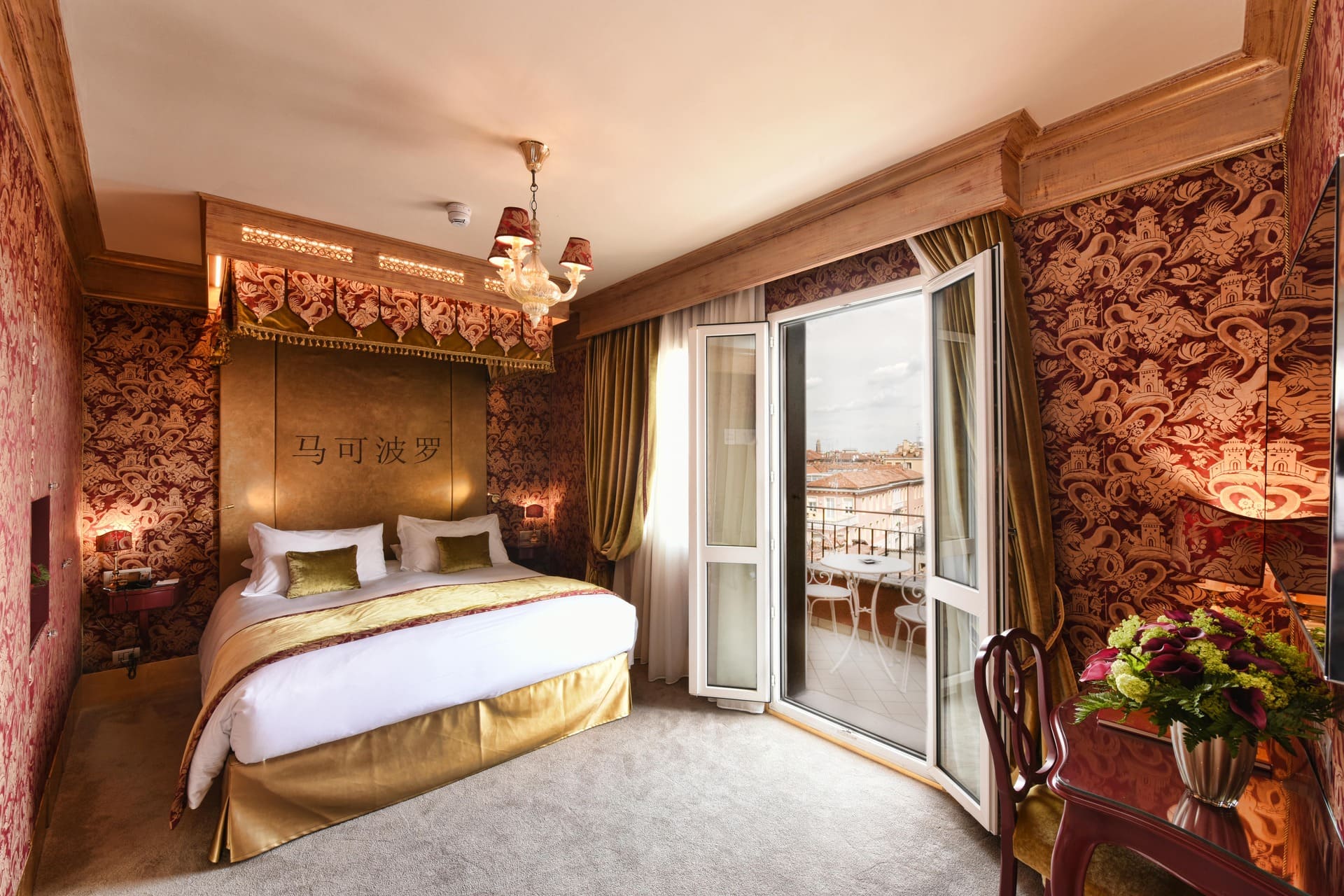
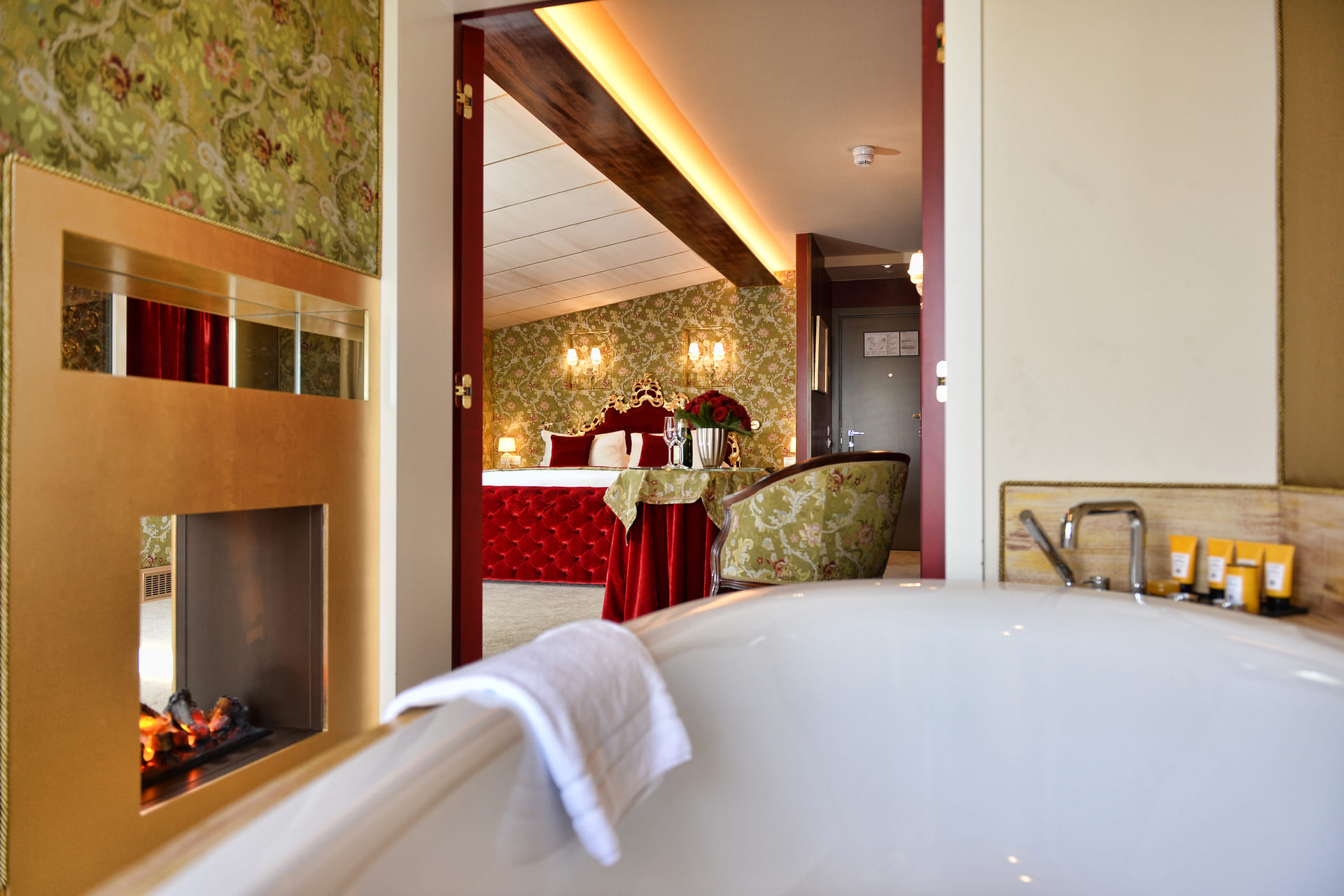
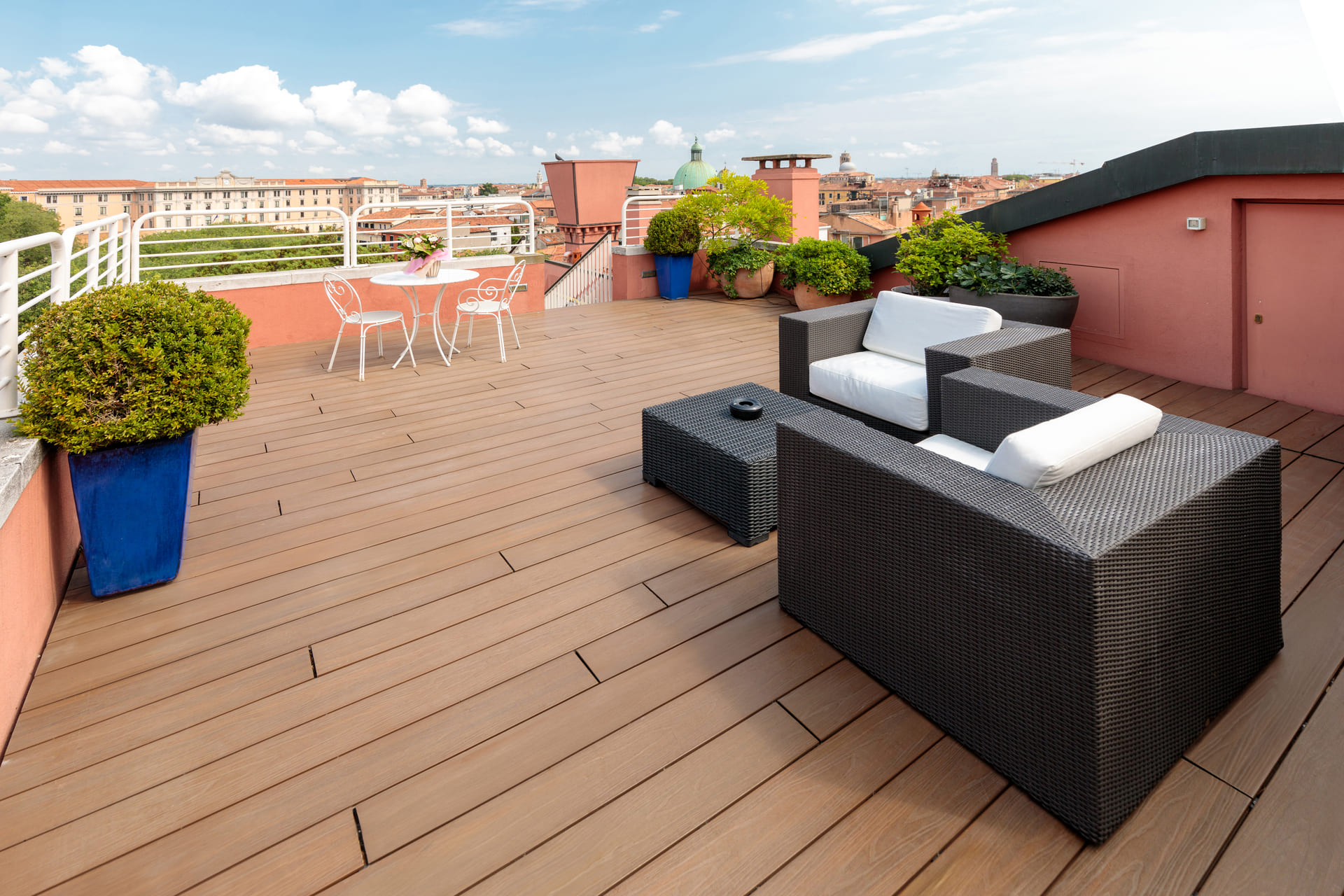
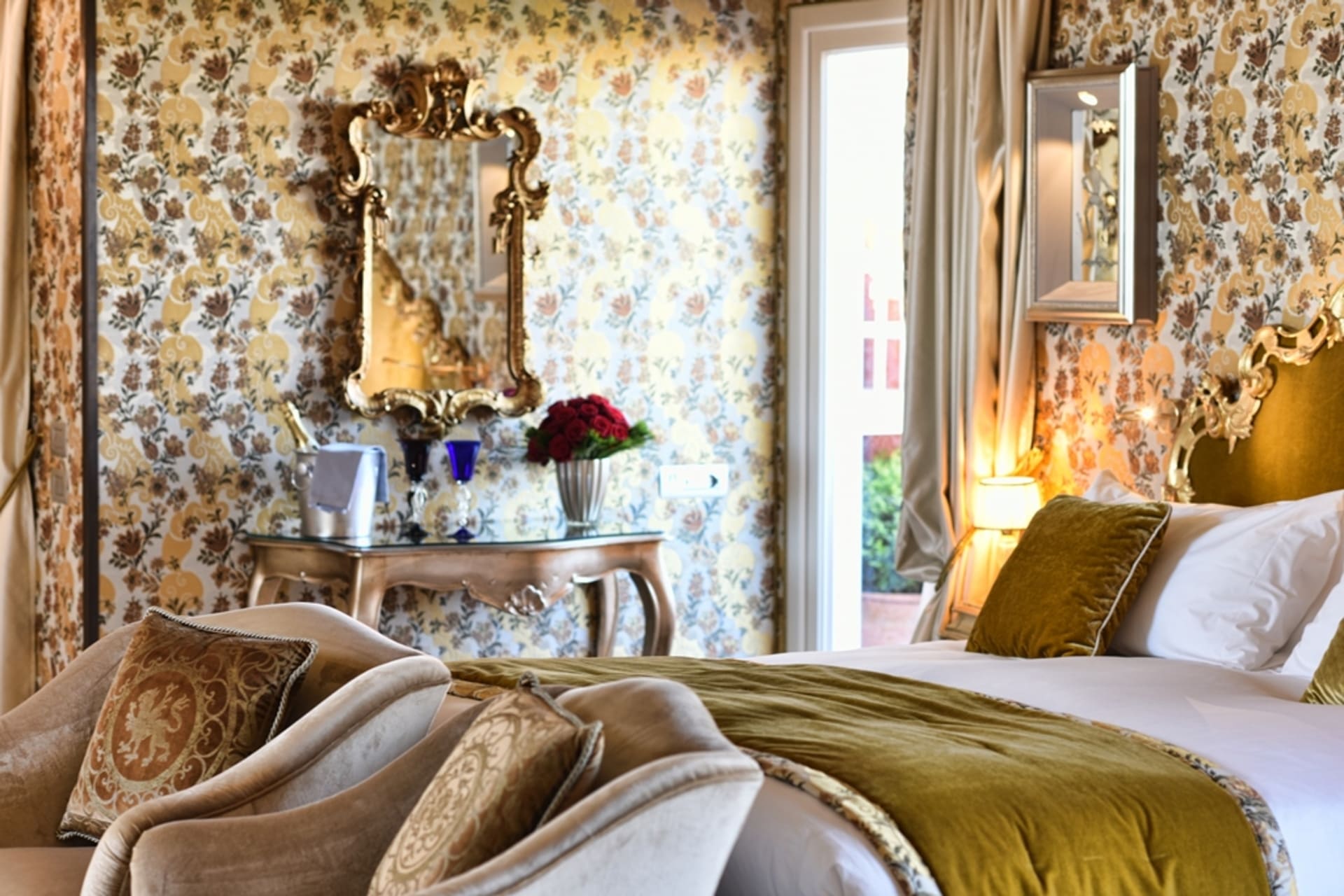
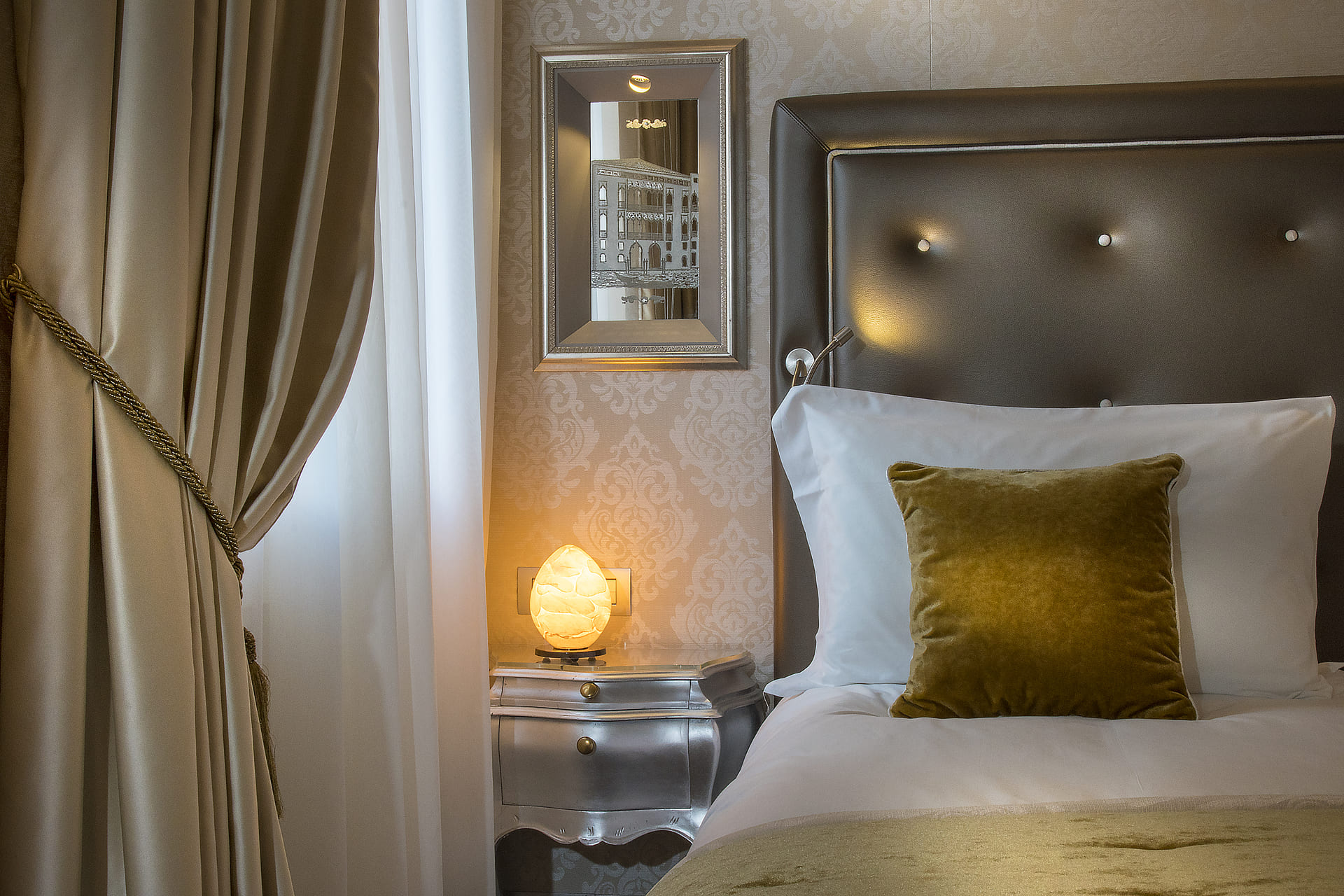
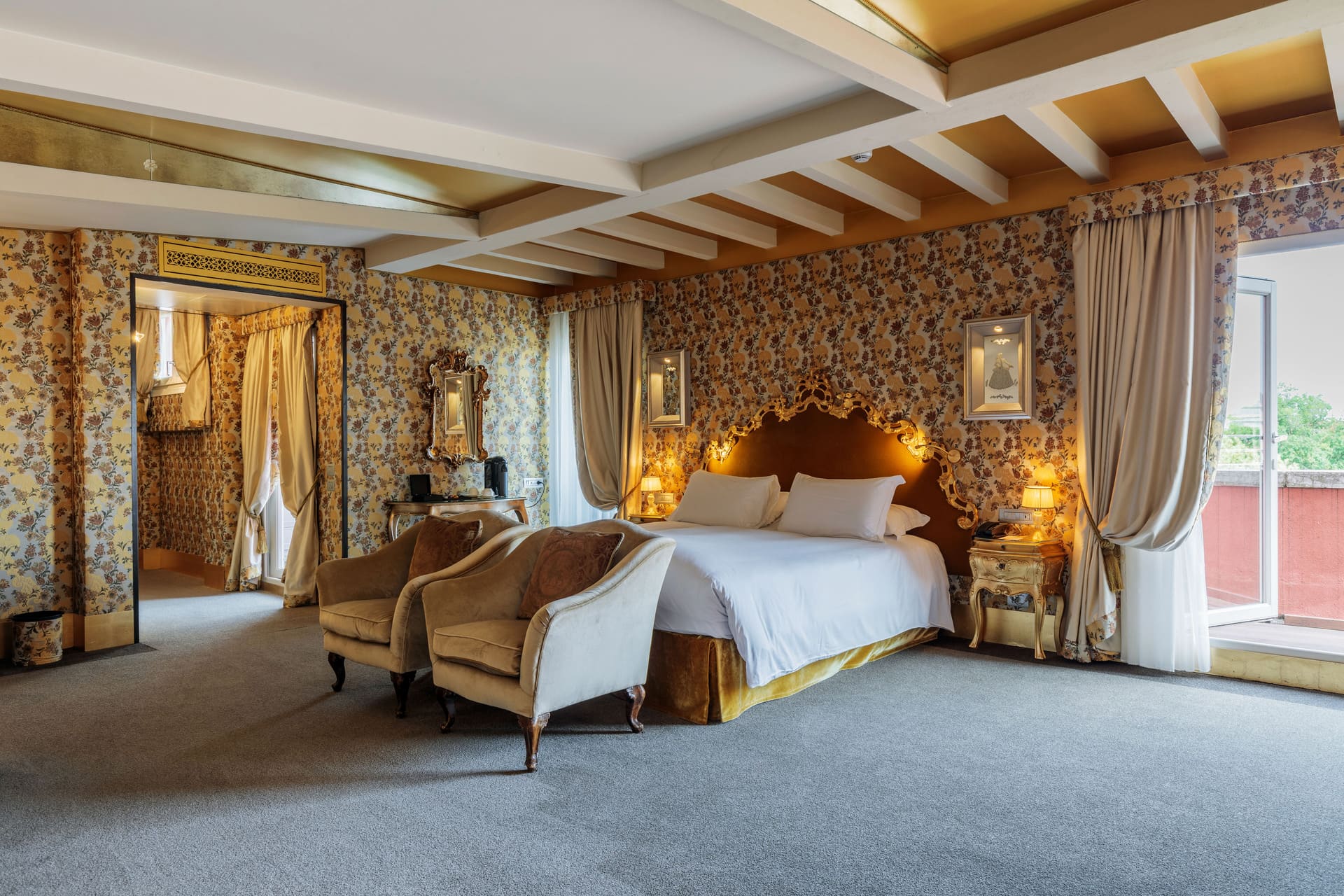
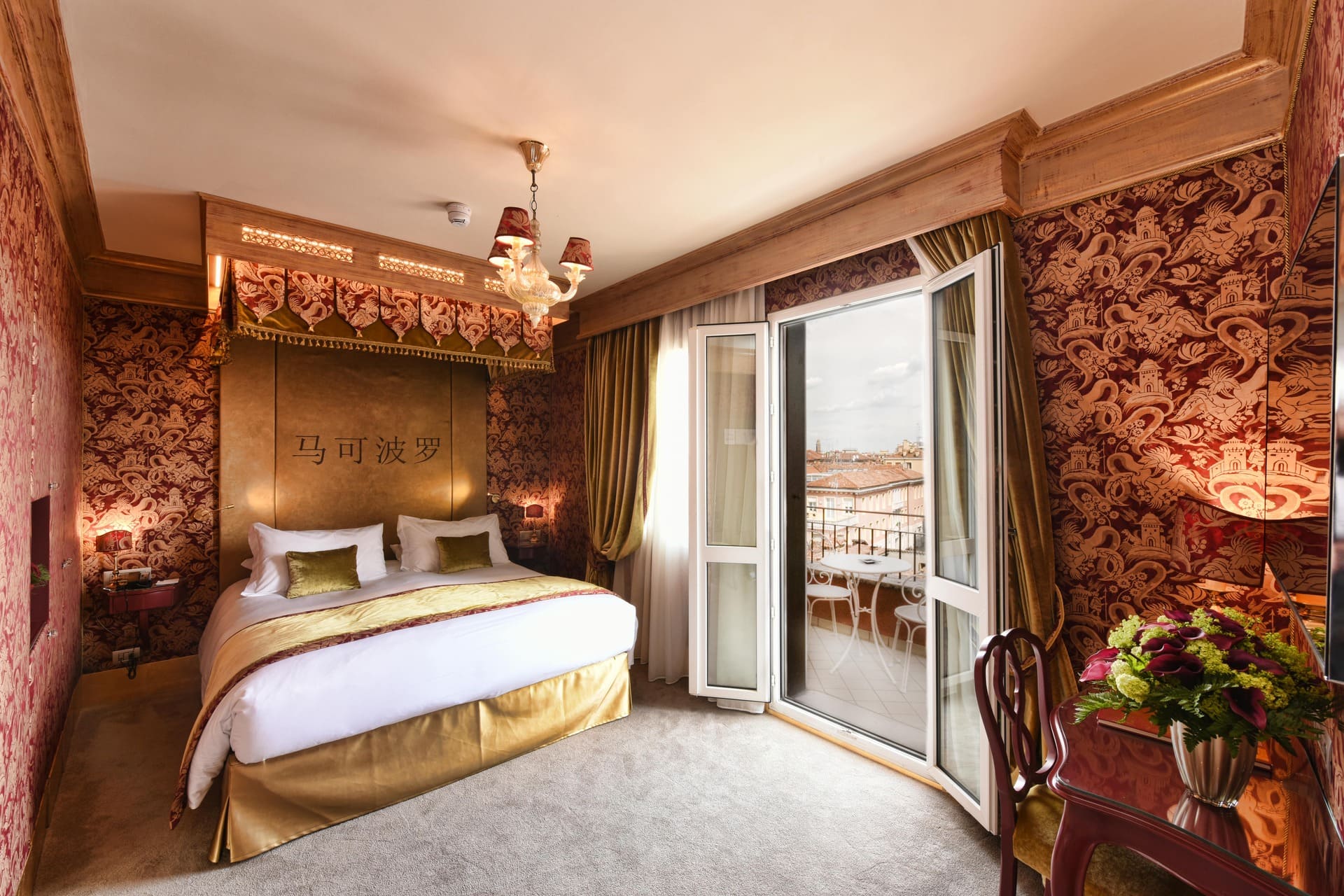
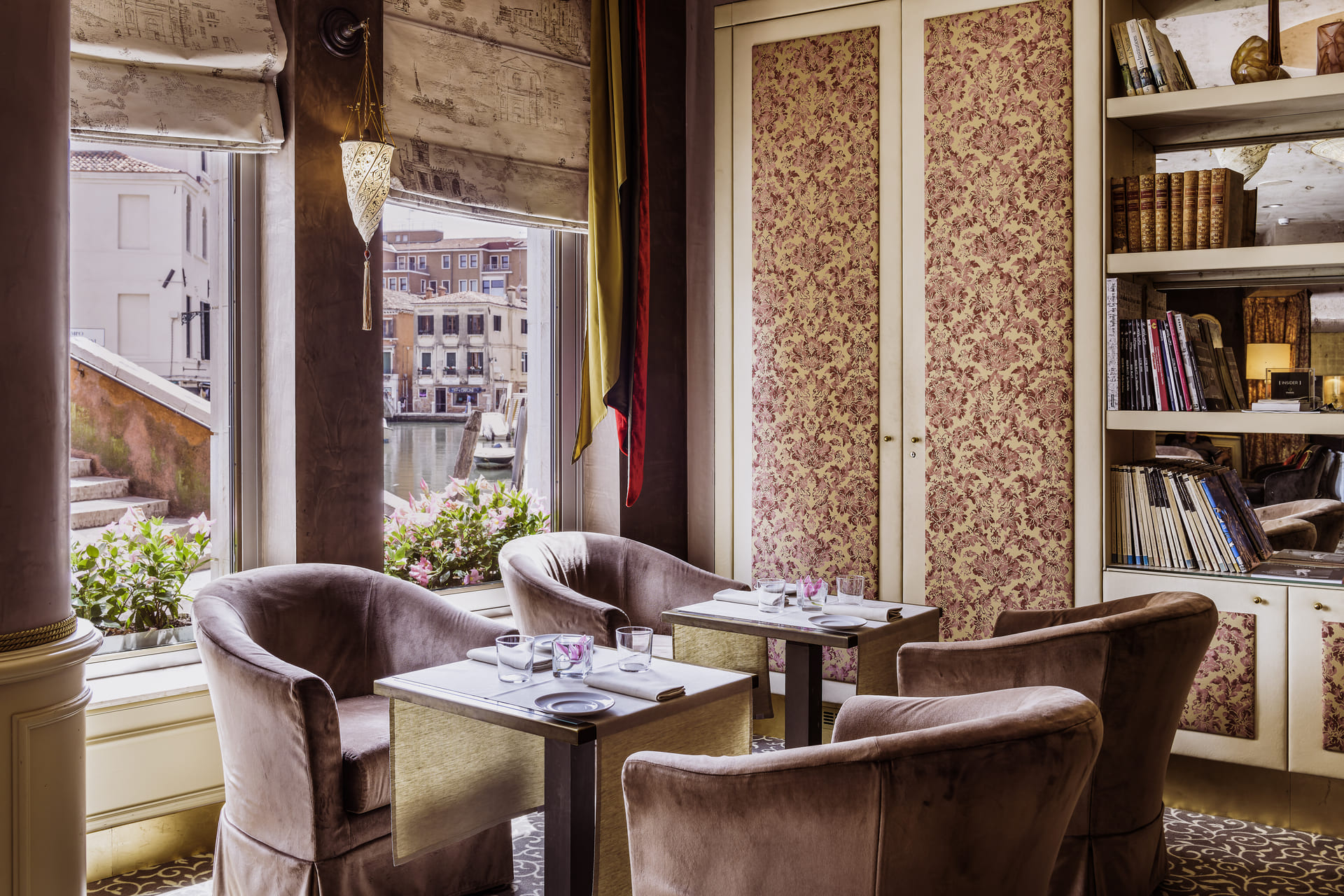
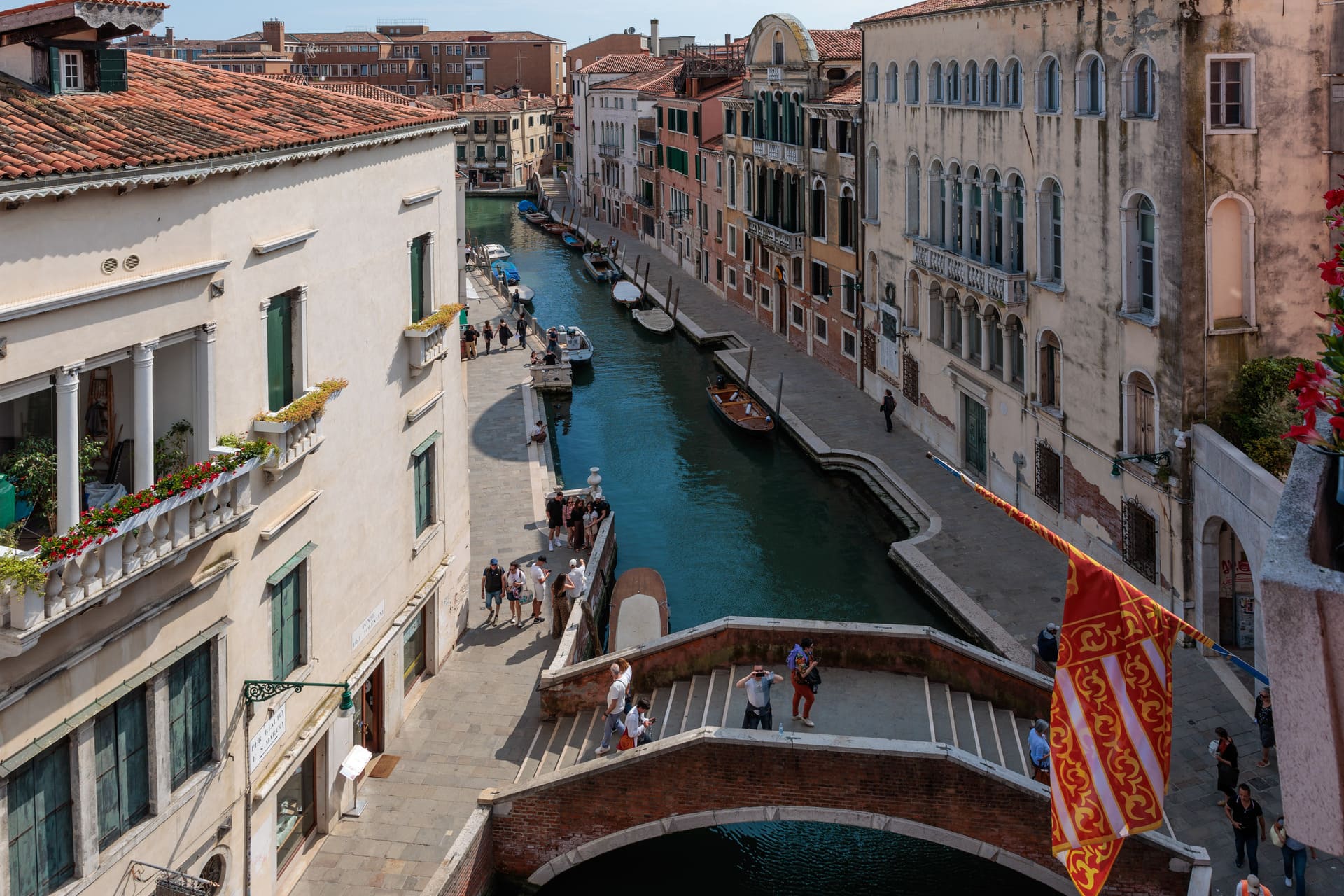
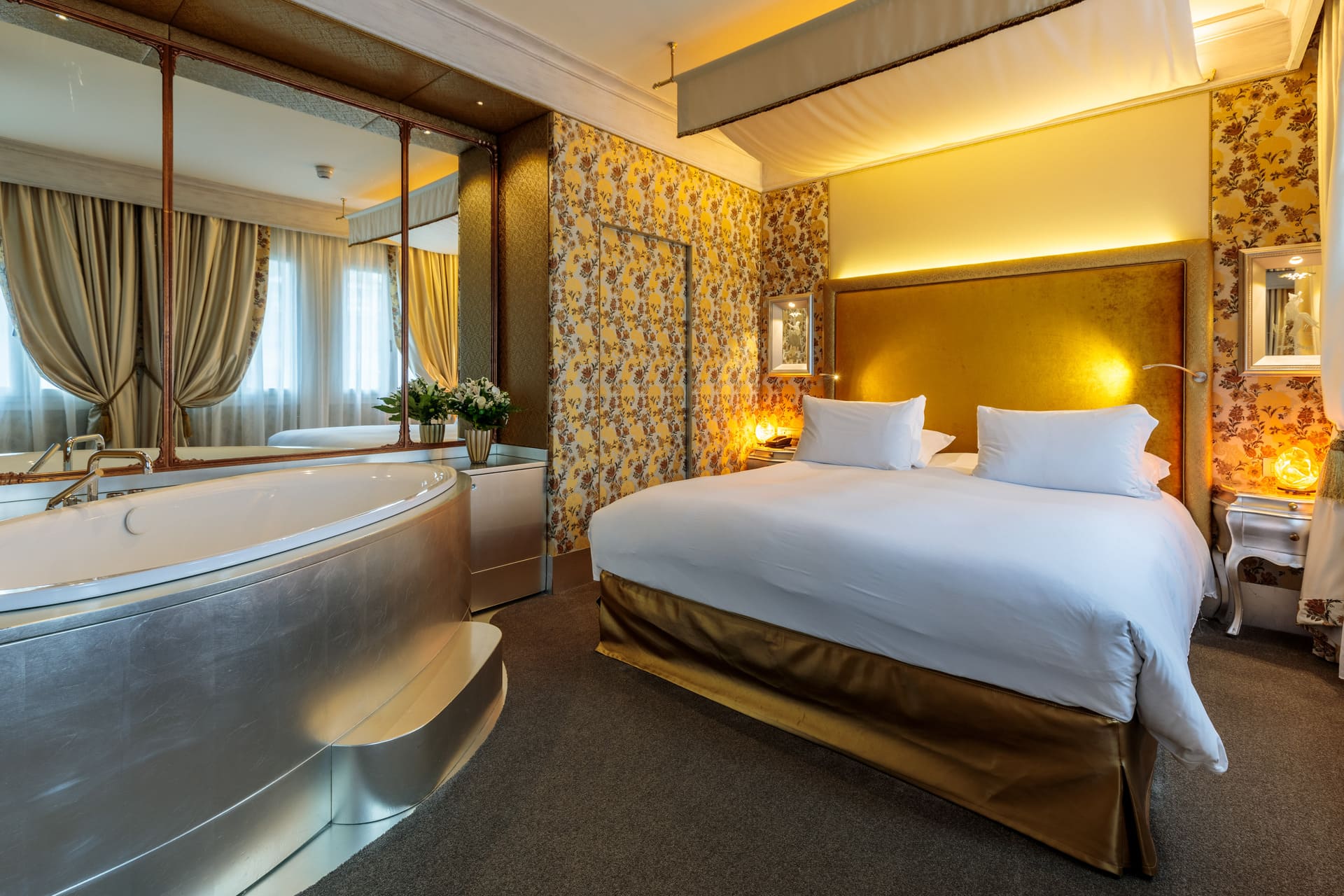
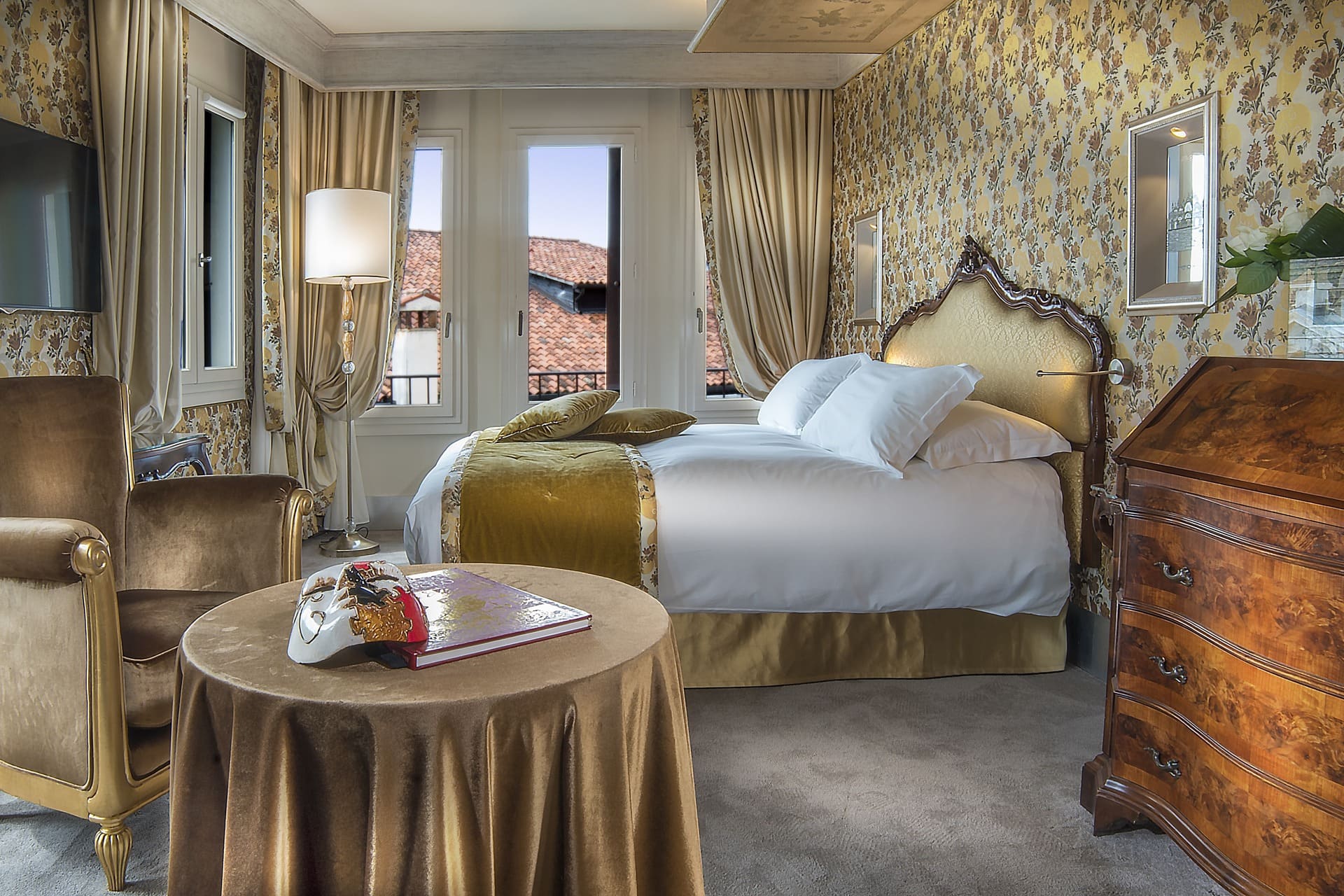
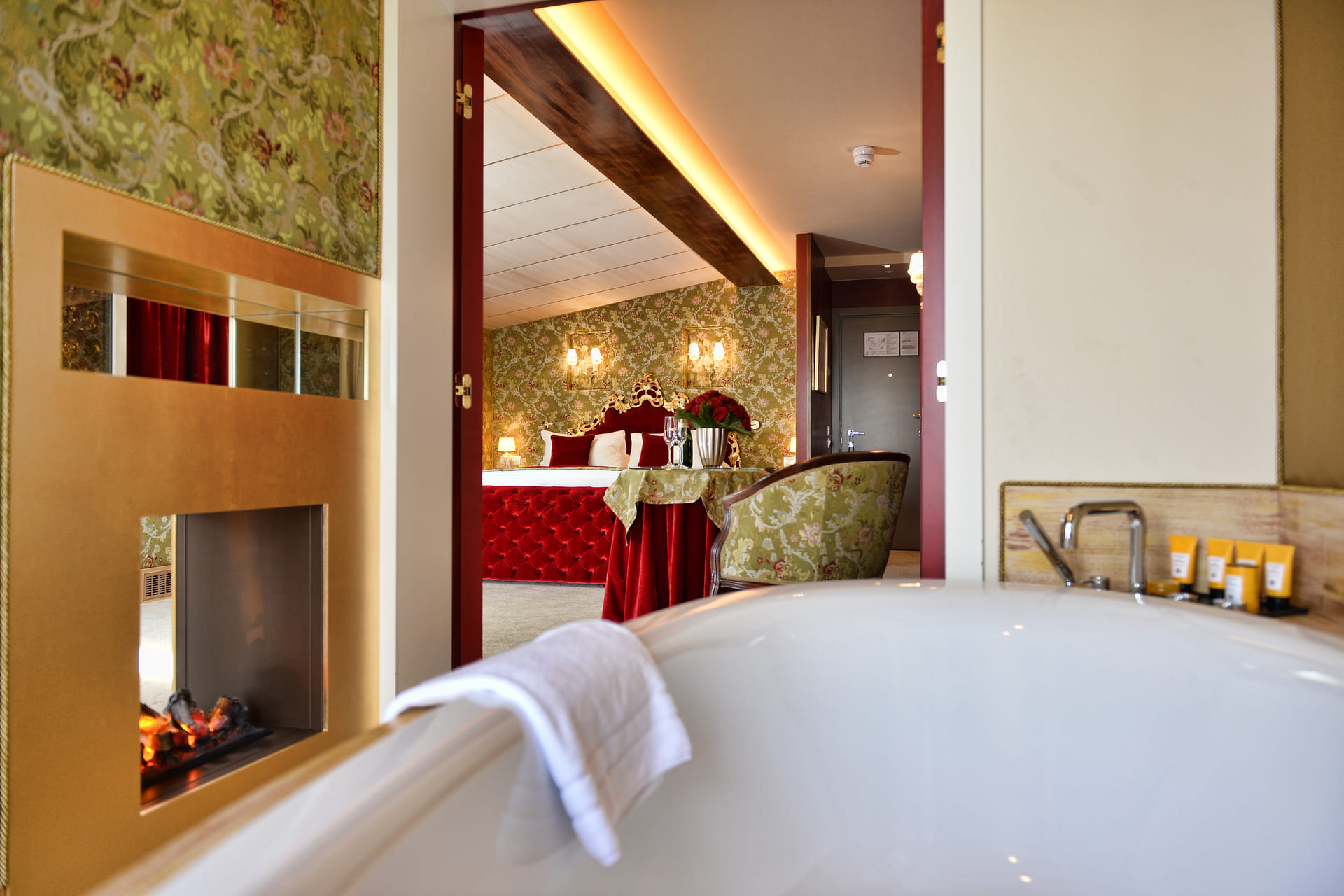
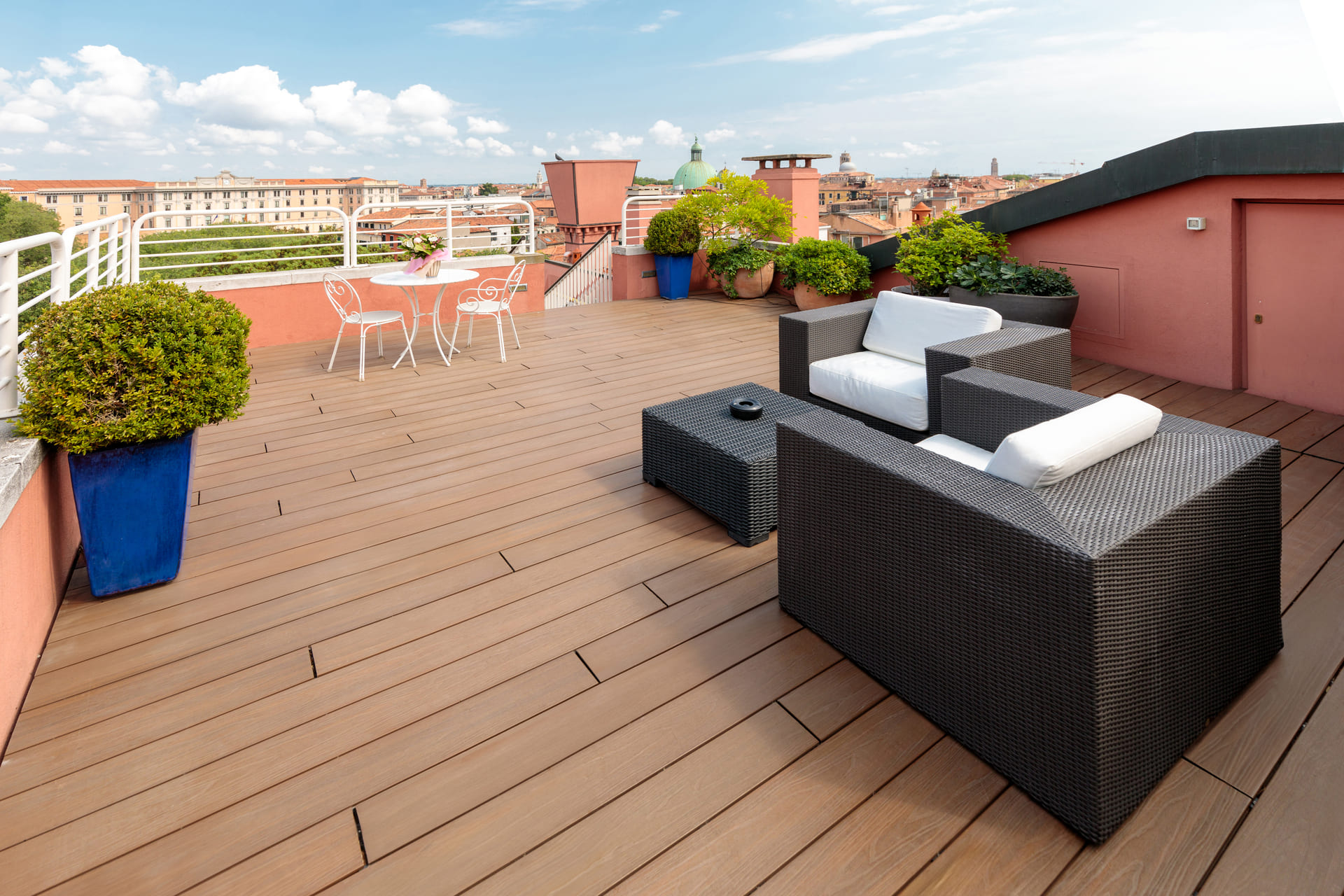
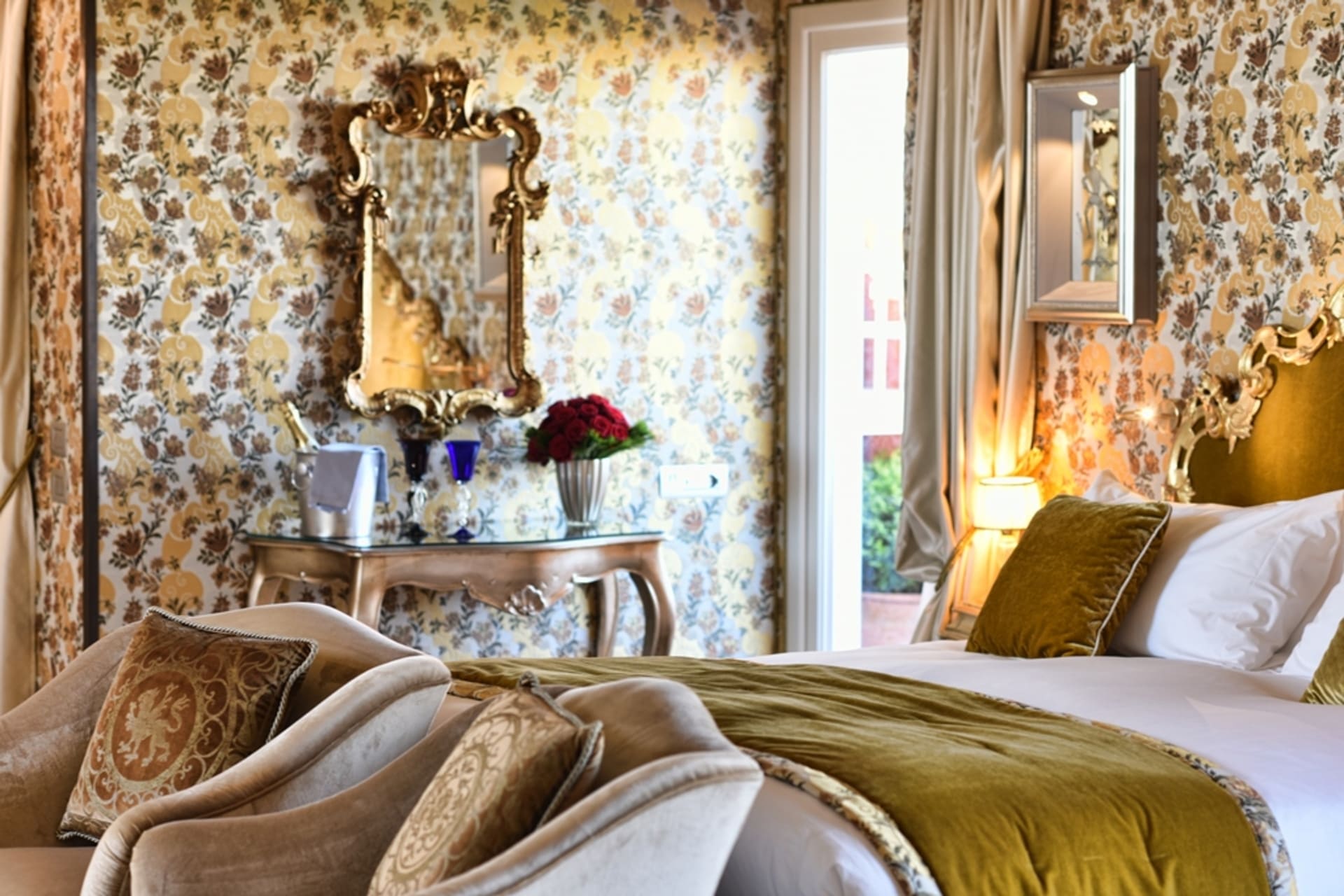
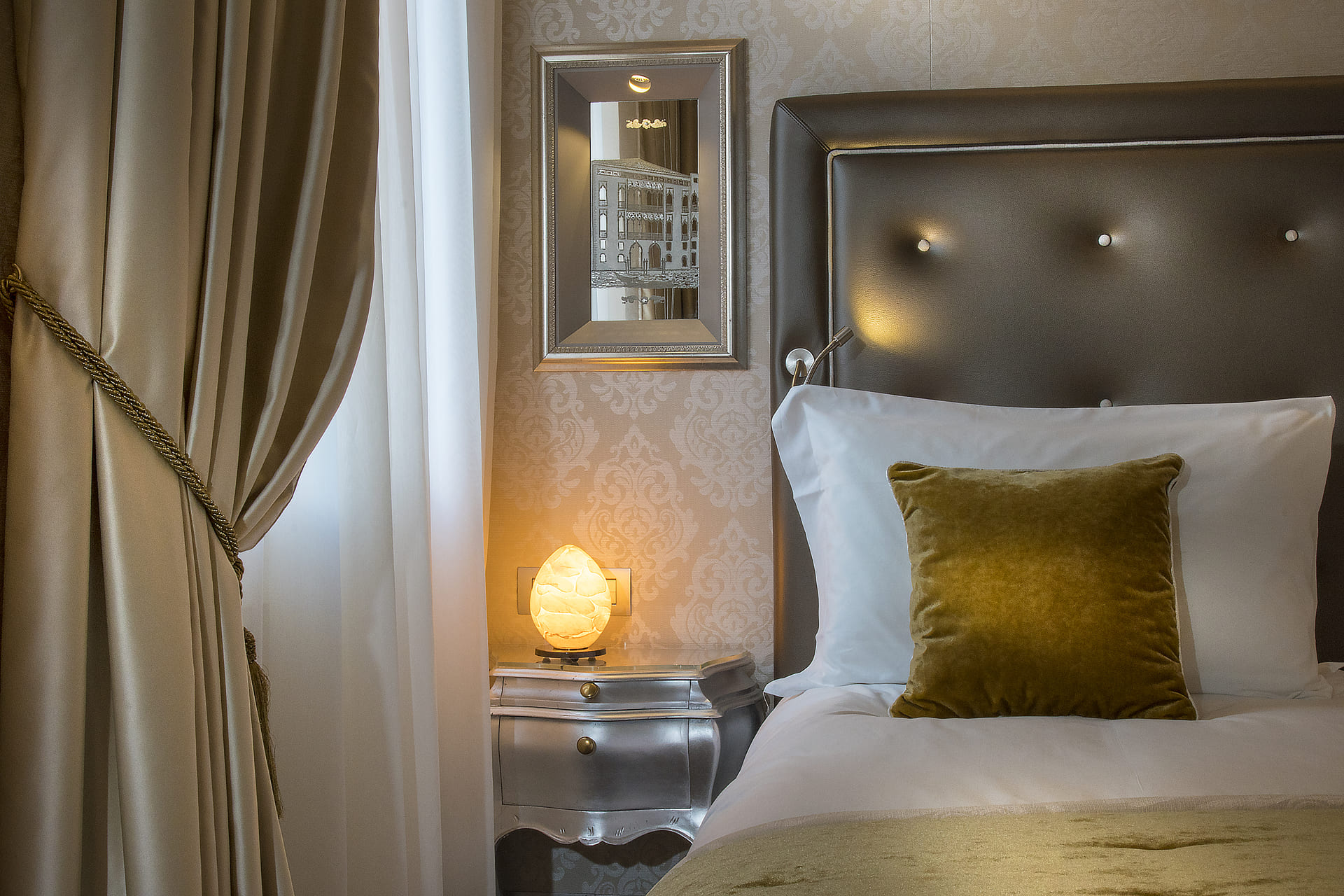
From a design perspective, the hotel reflects a balance between historical authenticity and contemporary hospitality standards. Interiors are decorated with materials and craftsmanship characteristic of Venetian tradition – Murano glass, artisan textiles, and refined woodwork – while rooms are equipped with modern amenities to meet expectations for comfort and functionality. Views over the gardens or the Tolentini Canal reinforce the building’s connection to its context, emphasizing a dialogue between the urban environment and the hotel’s private landscape.

Sustainability is central to the project’s current operational framework. The property is Green Key certified, reflecting efforts to minimize environmental impact through energy efficiency, local sourcing, and community engagement. This approach situates the hotel within the broader discourse of responsible tourism, demonstrating how historic properties can adapt to contemporary ecological and social expectations without compromising heritage values.
The project also exemplifies the integration of historical research and preservation with functional modernization. The hotel’s restoration retained original architectural and decorative features while introducing interventions necessary for hospitality use, such as accessibility, climate control, and technological infrastructure. This combination of conservation and adaptation provides a model for the management of heritage buildings in densely built urban contexts, where the pressures of tourism, infrastructure, and environmental concerns intersect.


In spatial terms, the hotel mediates between public and private realms. Its gardens offer a rare green space in a densely urbanized area, while its interiors maintain a sense of enclosure and intimacy. The juxtaposition of historical and contemporary elements – Palace facades, the Winter Garden, and renovated guest rooms – creates a layered experience that conveys both temporal depth and operational clarity. Hotel Papadopoli Venezia is, in essence, a study in reconciling heritage with contemporary function. It demonstrates that historical properties can accommodate modern uses while maintaining a clear connection to their origins.




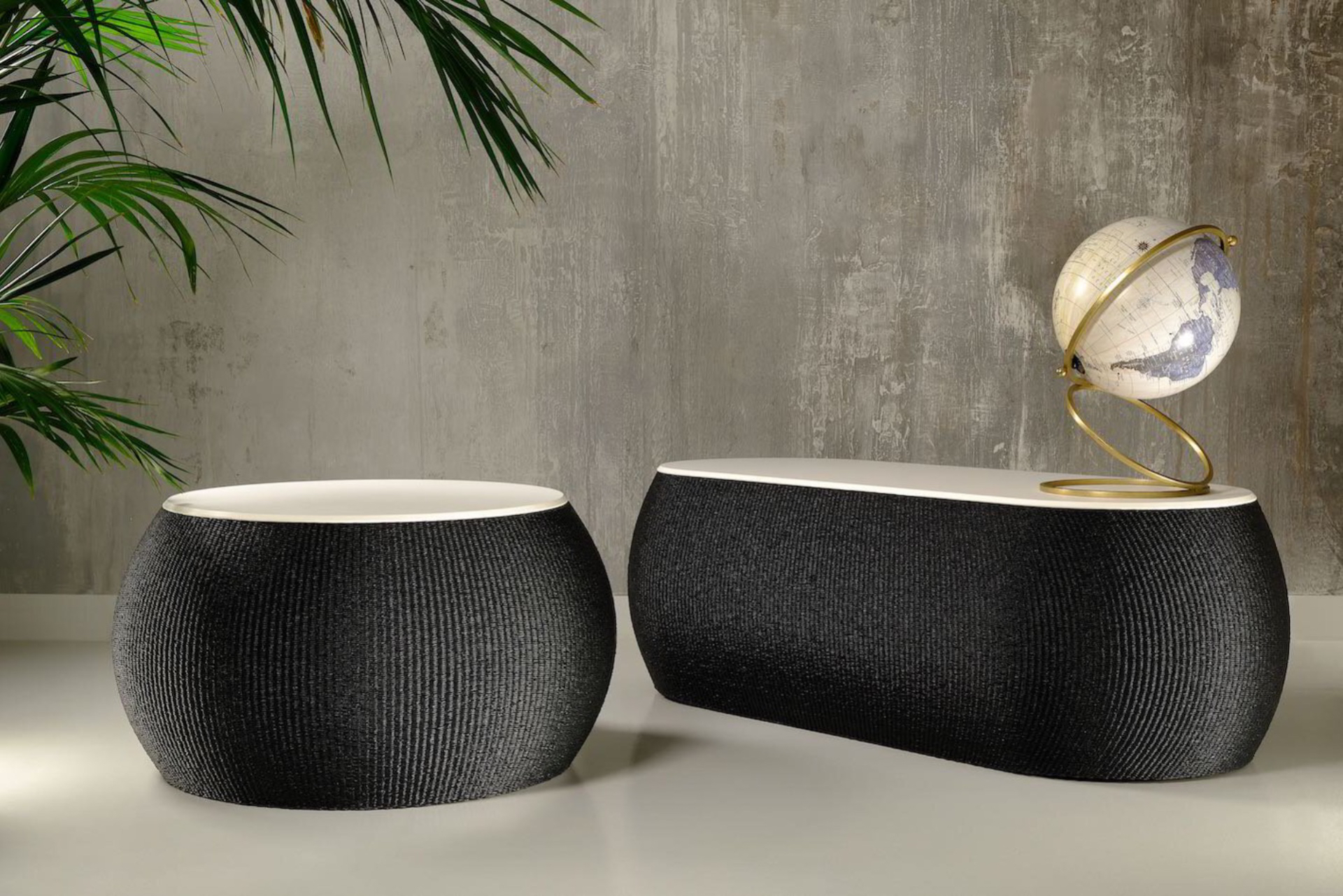
Once upon a time there were crafts workshops. Then came the advent of industrial design and mass production.