

The community magazine for the community
Powered by 
The community magazine for the community
Powered by
© Design Courier. Powered by Medelhan. Developed by Broadweb.80
| CANVAS OF PLANS & DRAWINGS |
INTERIOR & DÉCOR, but with a twist |
| HOTELS & RESTAURANTS, beyond mainstream |
Notes on ART |
| Into big AFFAIRS | INSIDERS |
| GLIMPSES | |
Keywords:
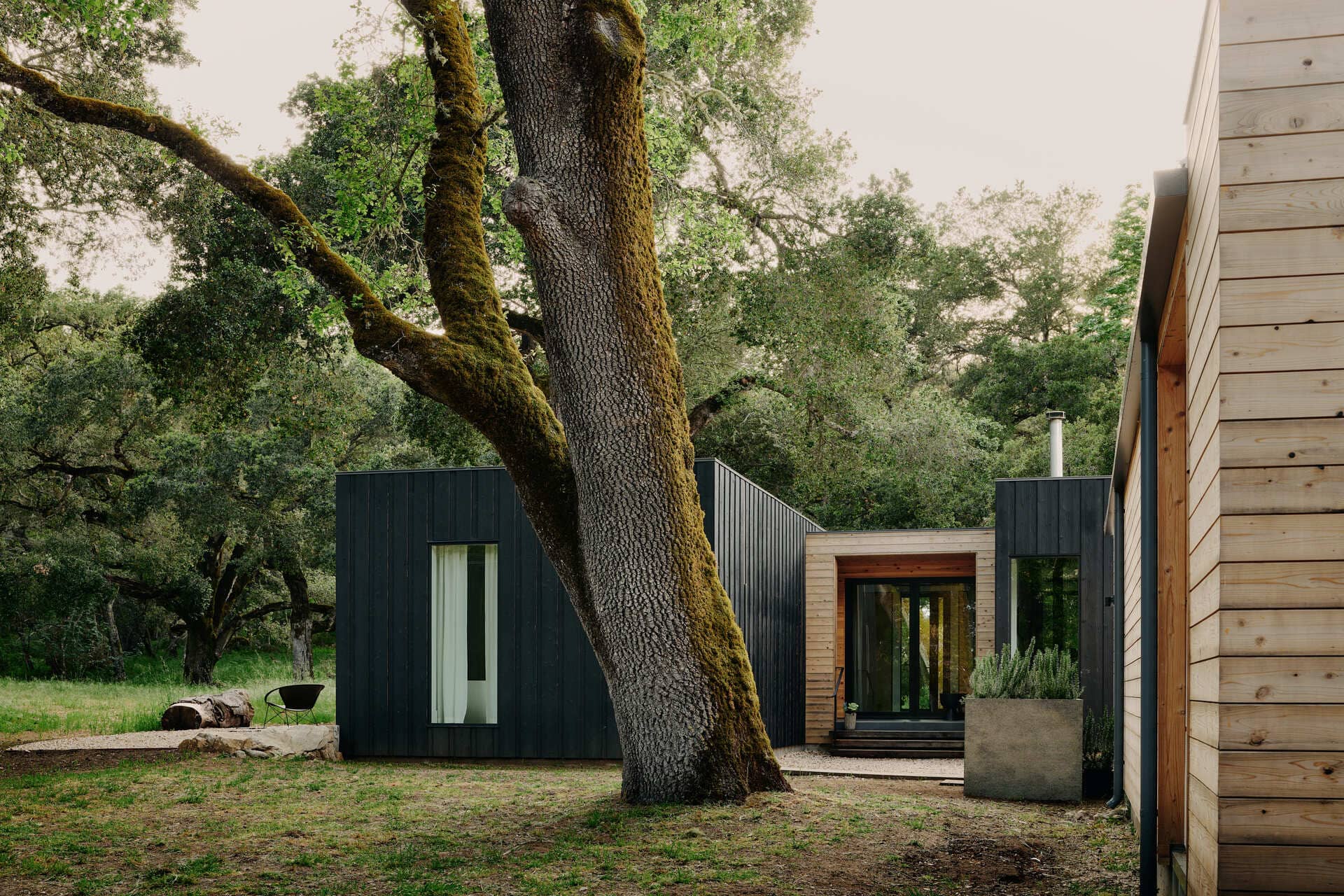
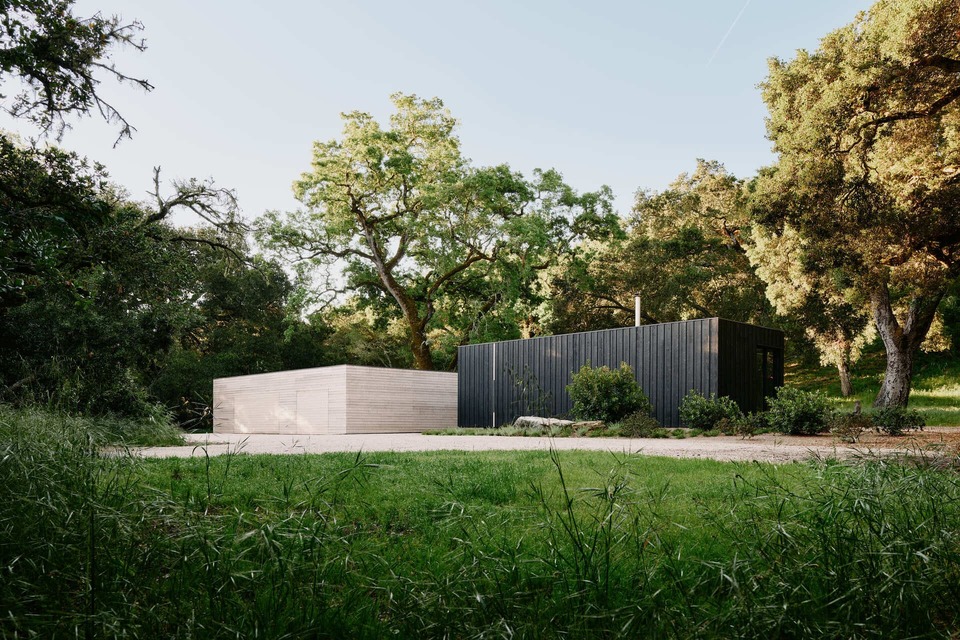
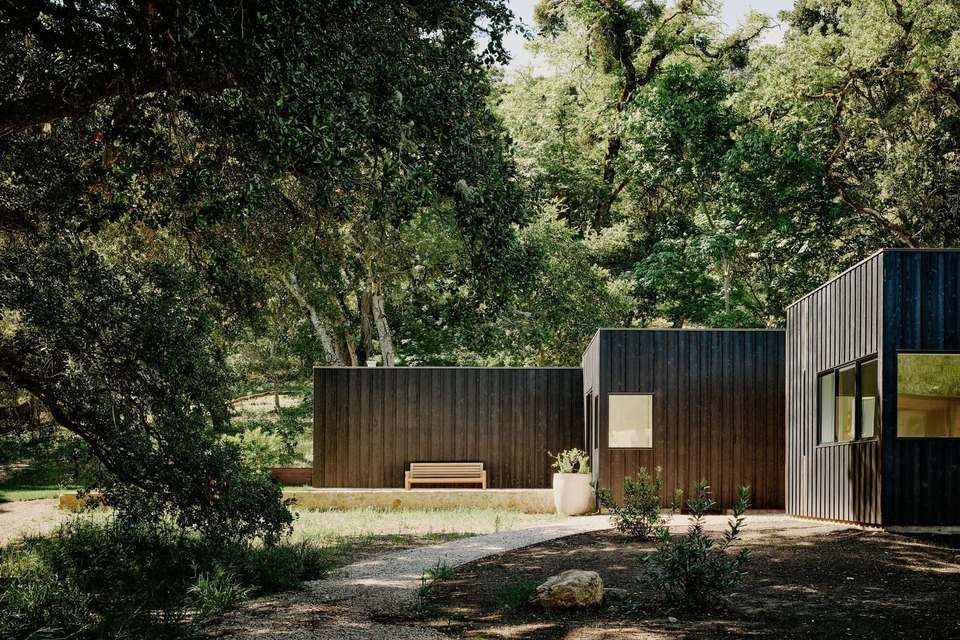
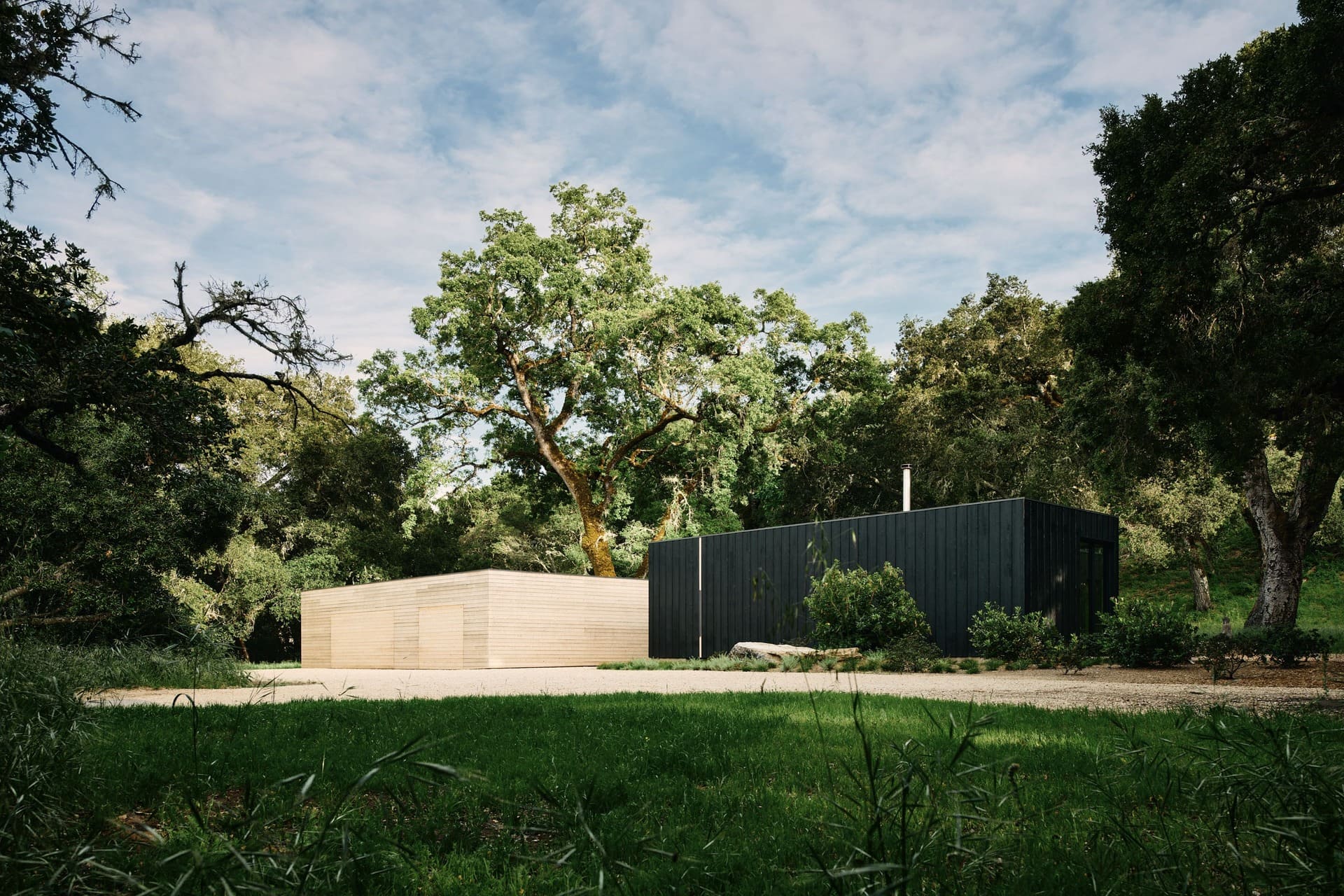
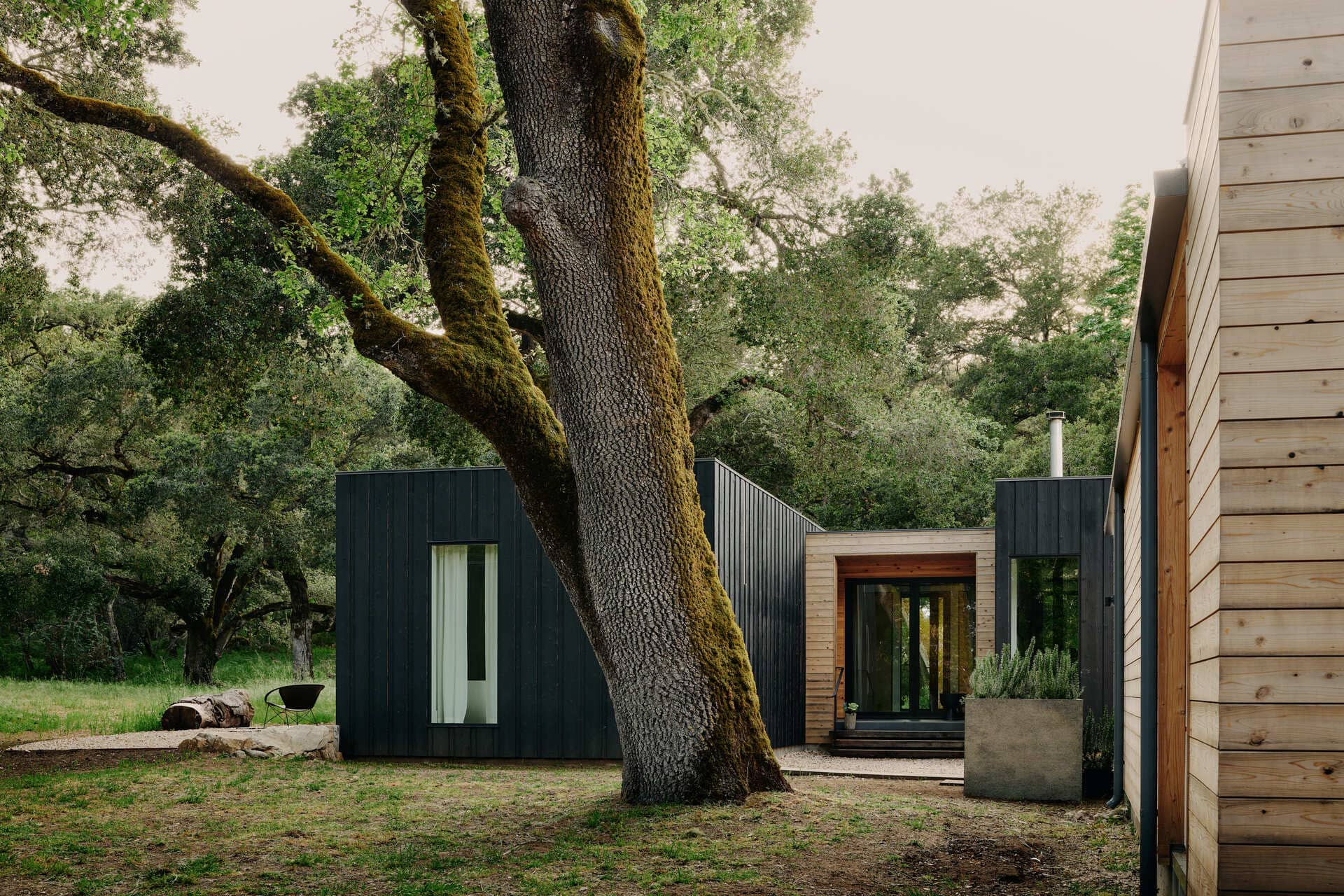
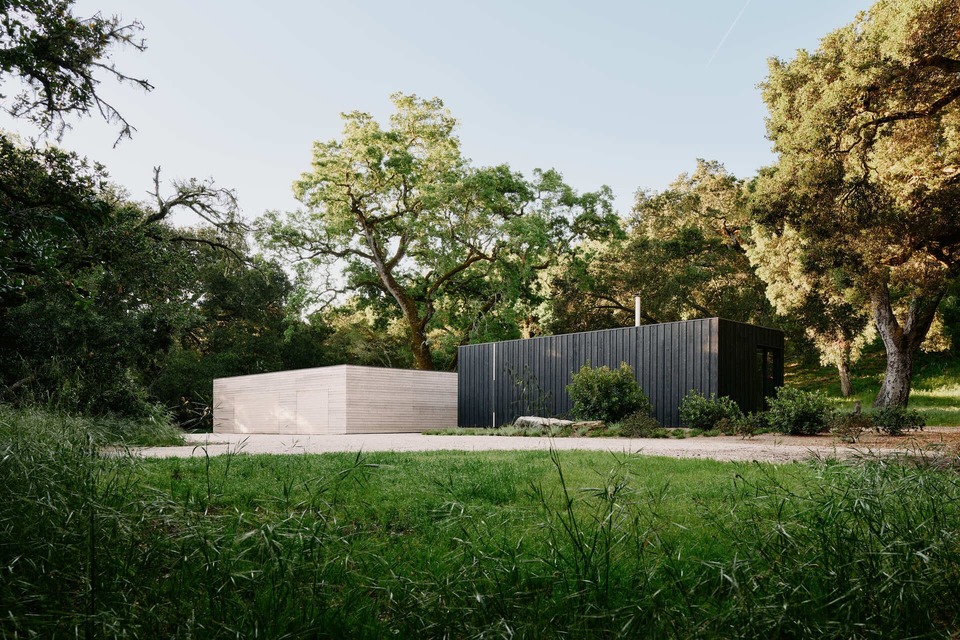
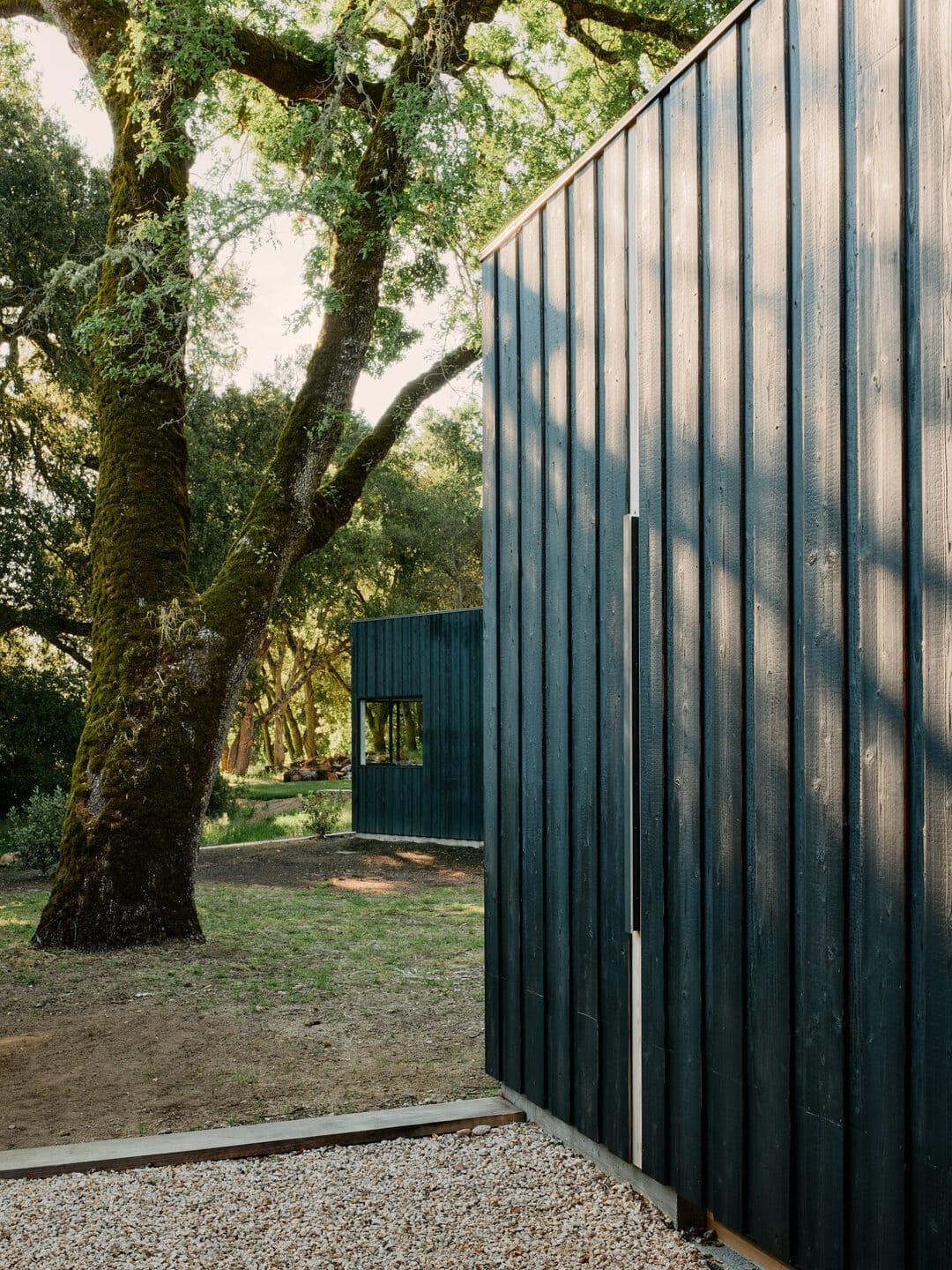
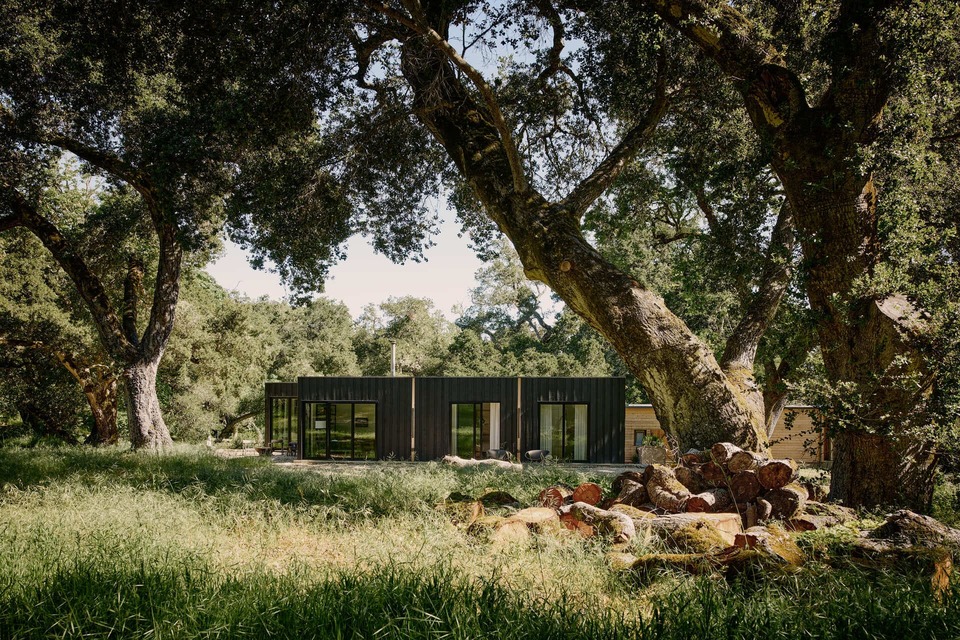
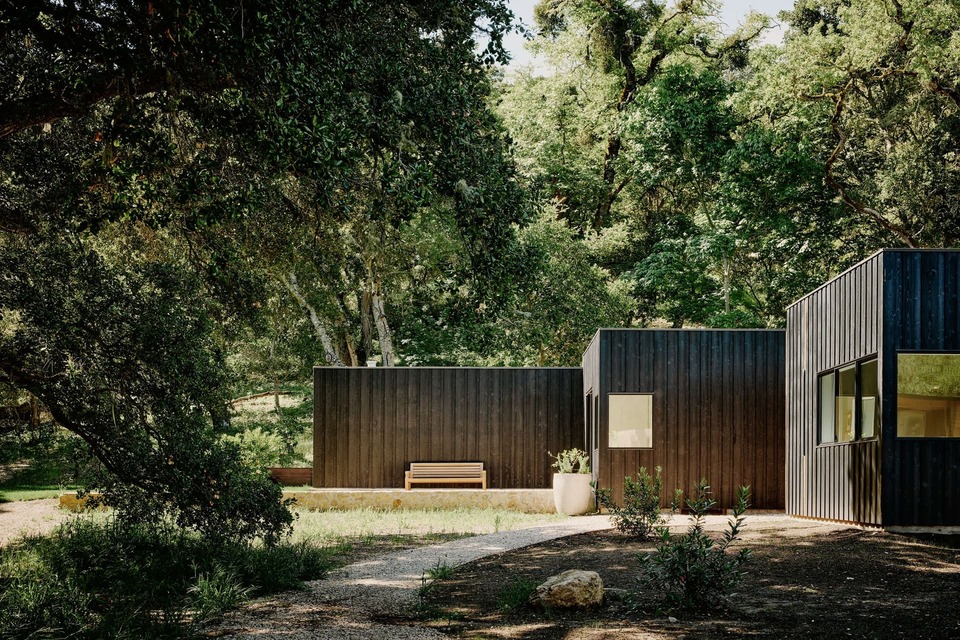
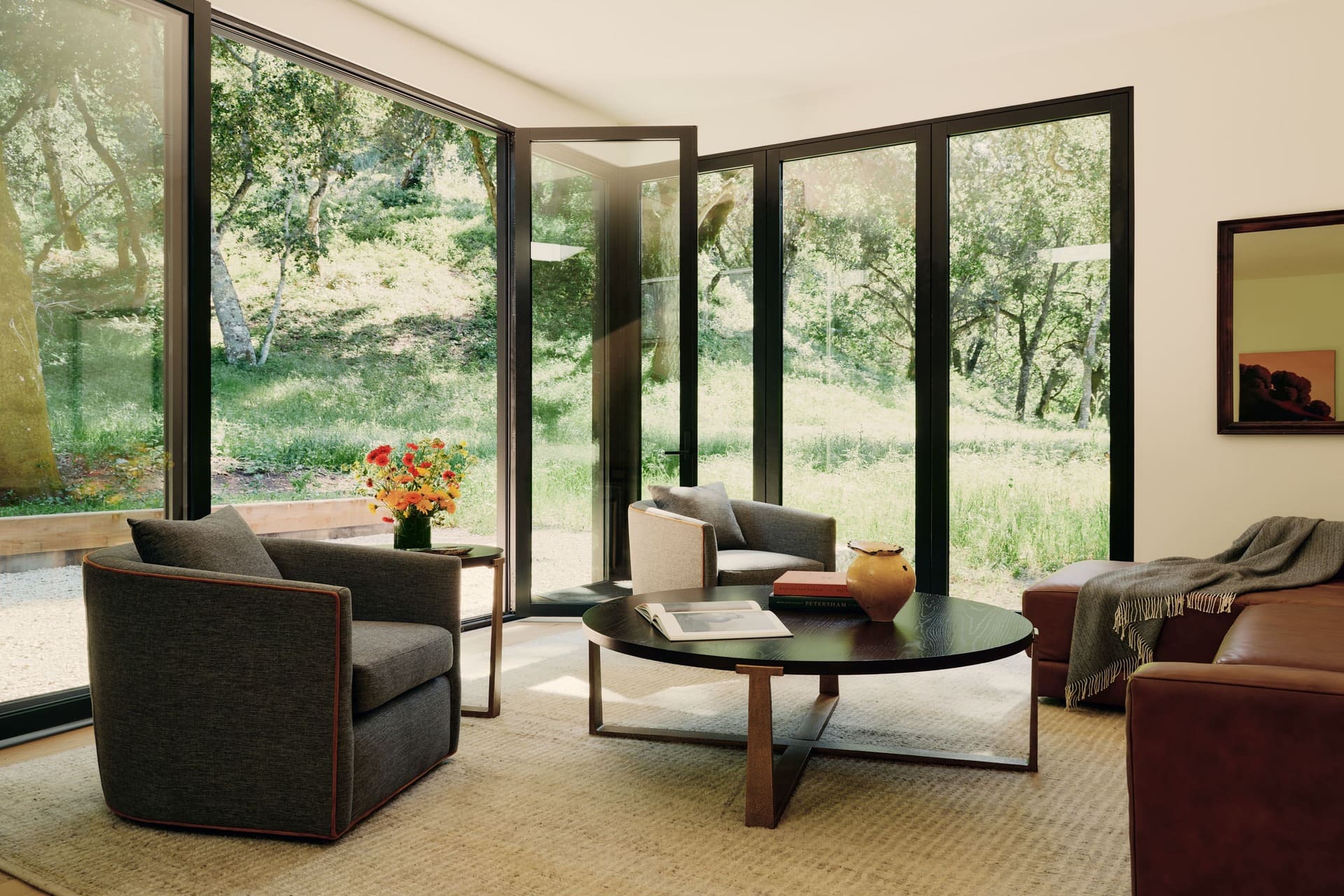
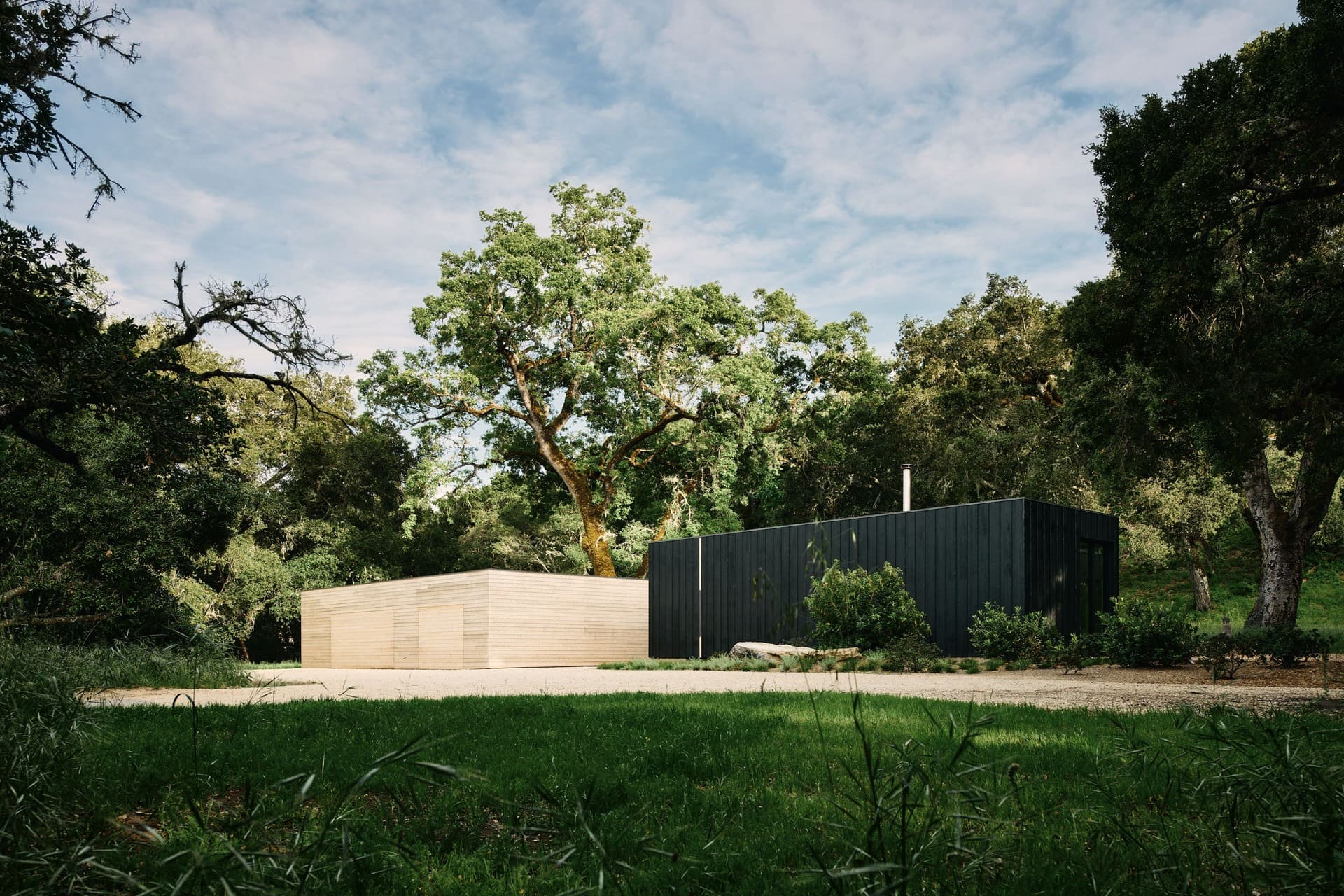
The regulatory environment shaped every consequential decision. The Preserve’s design review protocols and conservation covenants mandate the protection of extant oak stands, strict limits on ground disturbance, preservation of faunal corridors, and adherence to dark-sky provisions. These parameters necessitated a highly calibrated siting strategy. The three structures – 2,500-square-foot main residence, 1,200-square-foot ADU, and 900-square-foot garage – were positioned along the meadow’s periphery, occupying interstitial spaces between mature oaks to minimize ecological and visual encroachment.

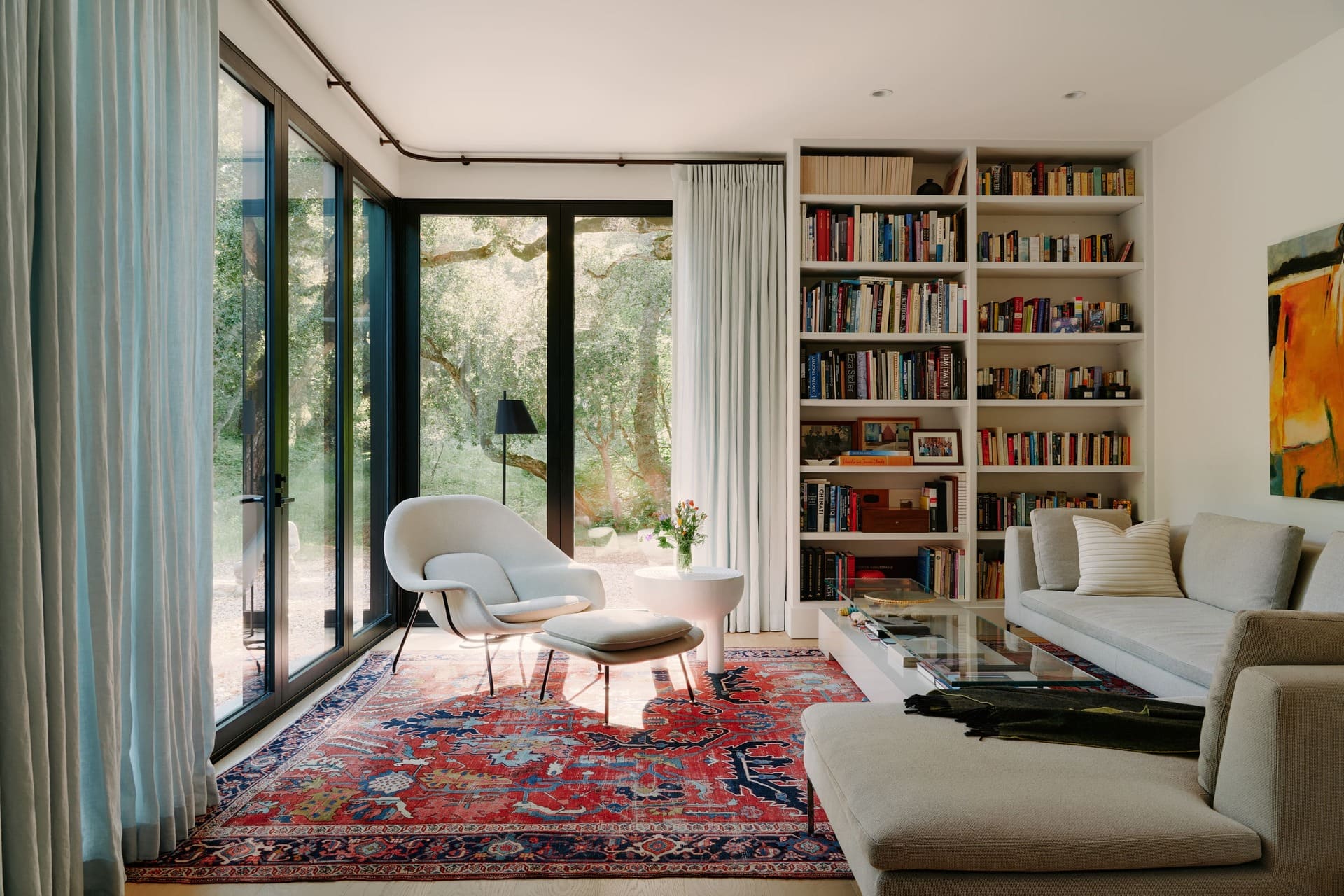
A notable determinant of both schedule and cost was the decision to employ modular fabrication. Method Homes was selected for its capacity to deliver precision-built units with a high degree of dimensional accuracy and controlled material sourcing. The off-site construction process reduced the overall timeline by half and lowered costs by roughly 25%. Modules were transported on five trucks and craned into place within seven hours, sharply limiting on-site disruption and construction detritus.
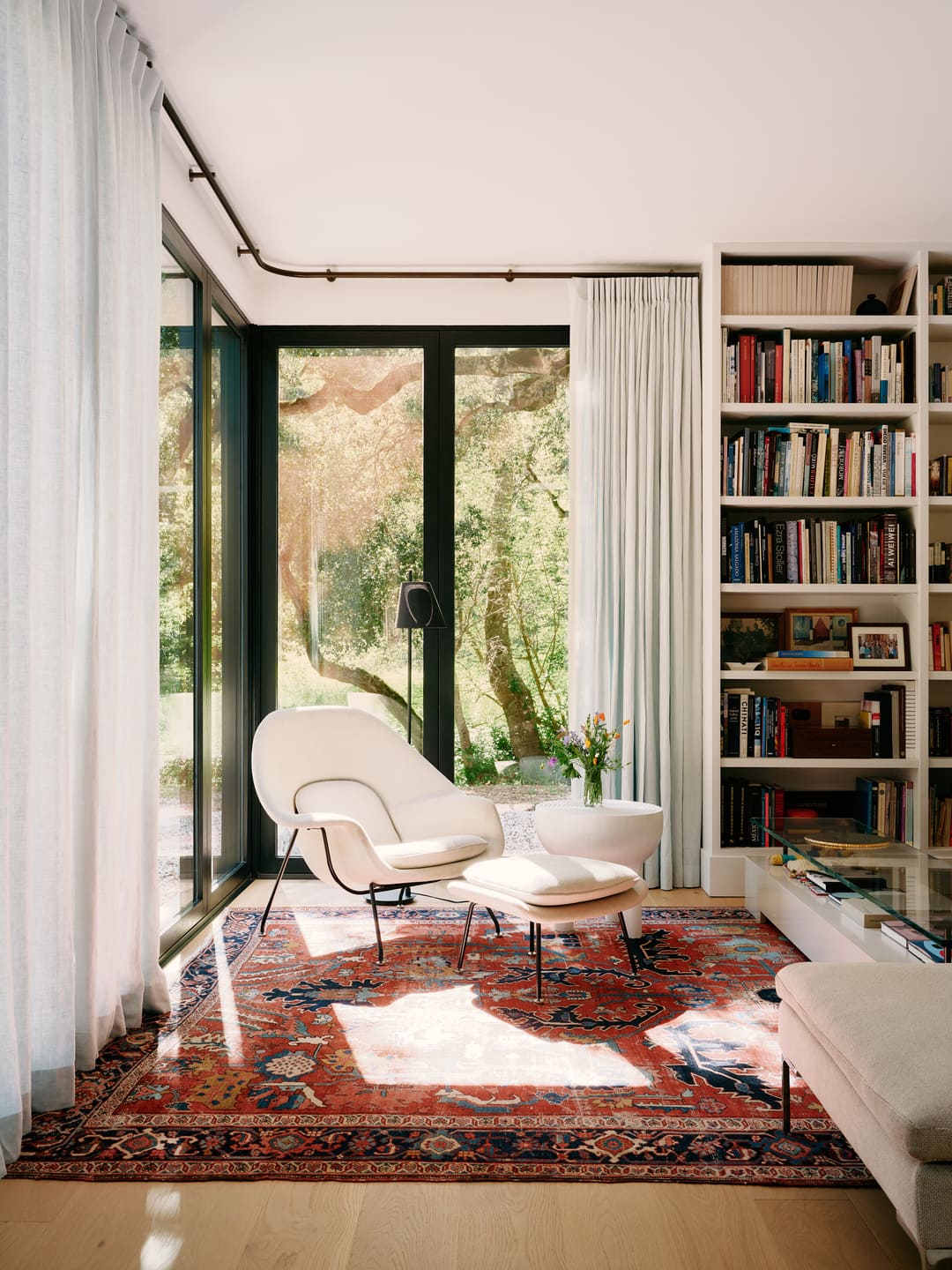
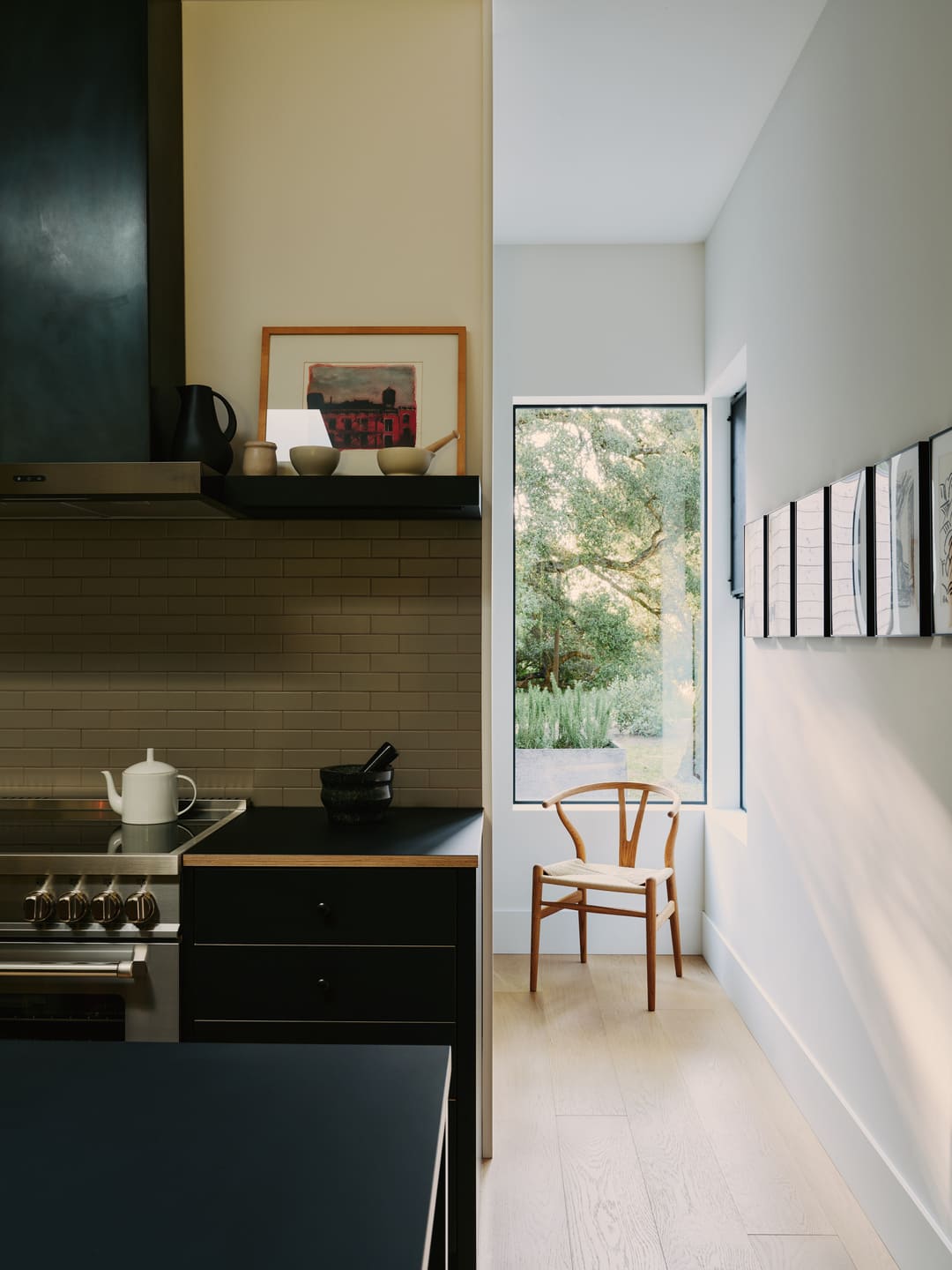
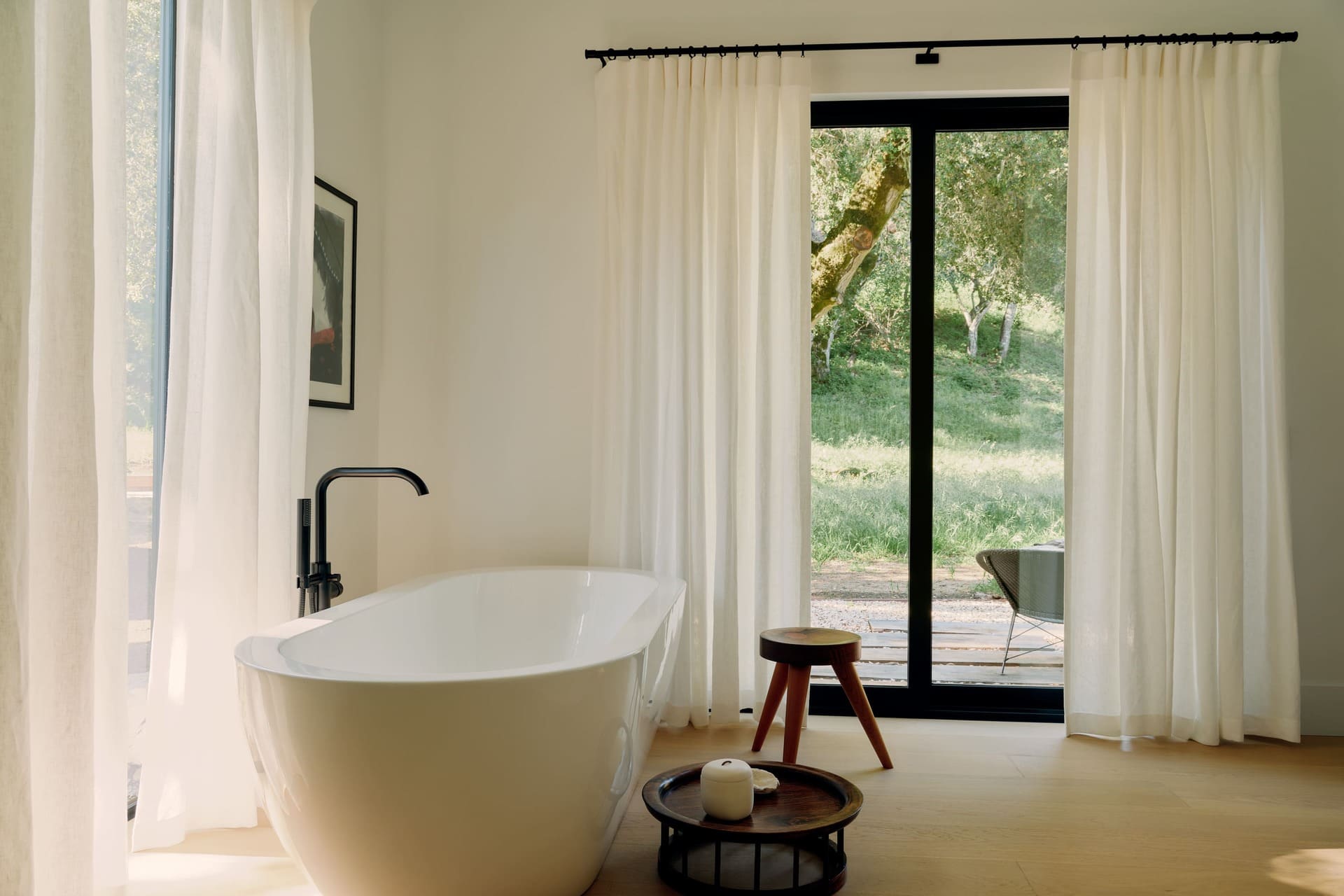
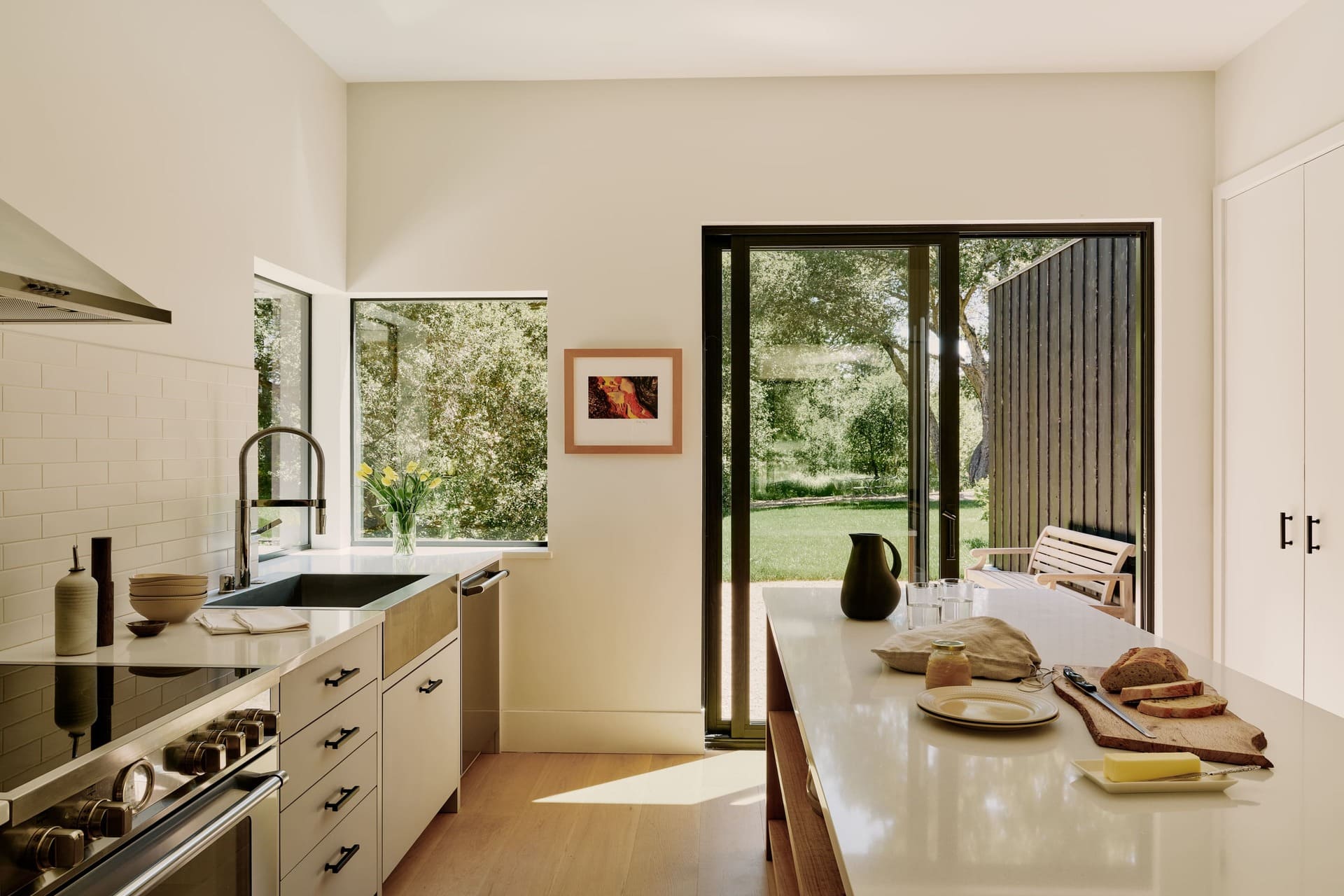
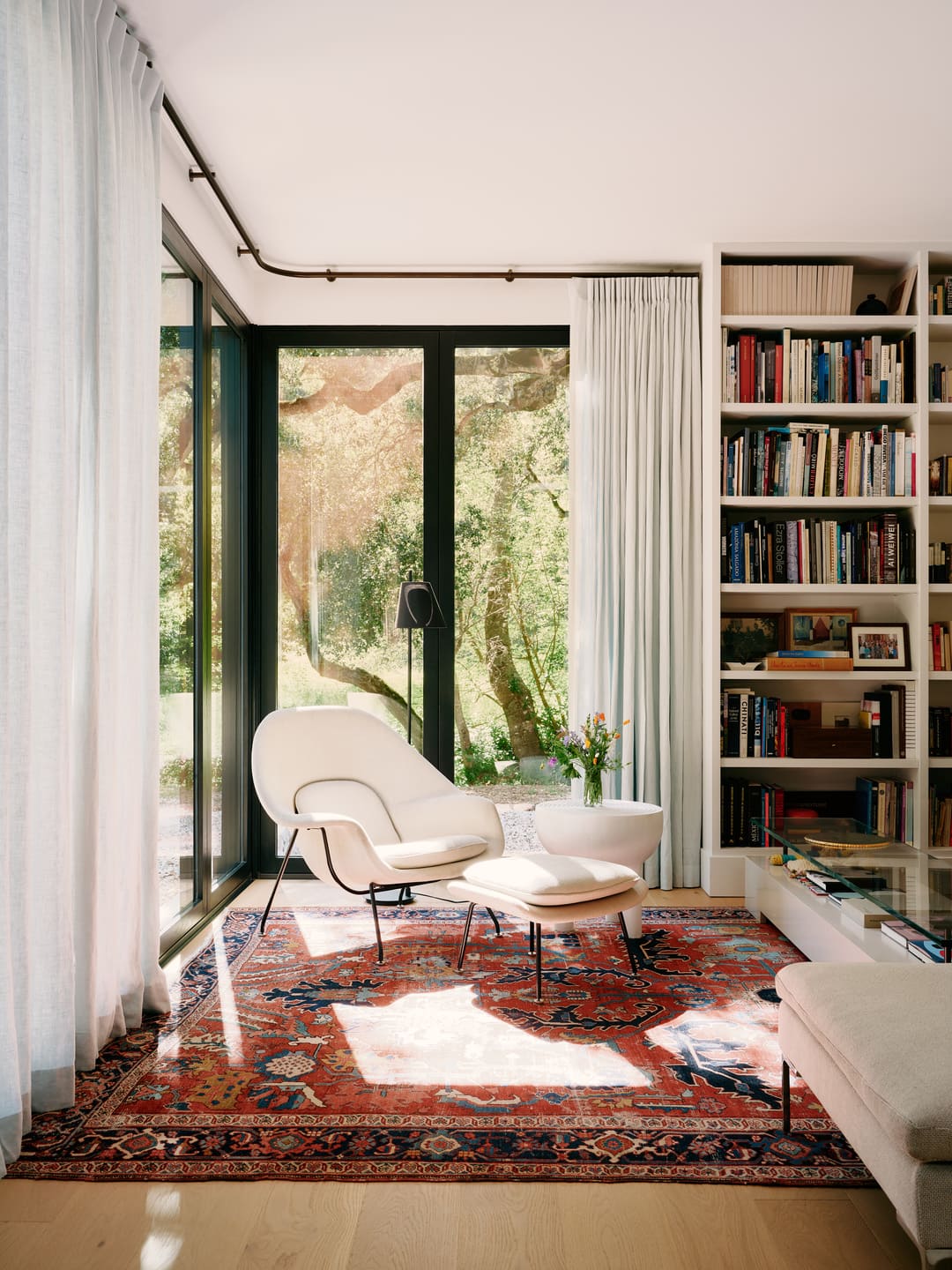
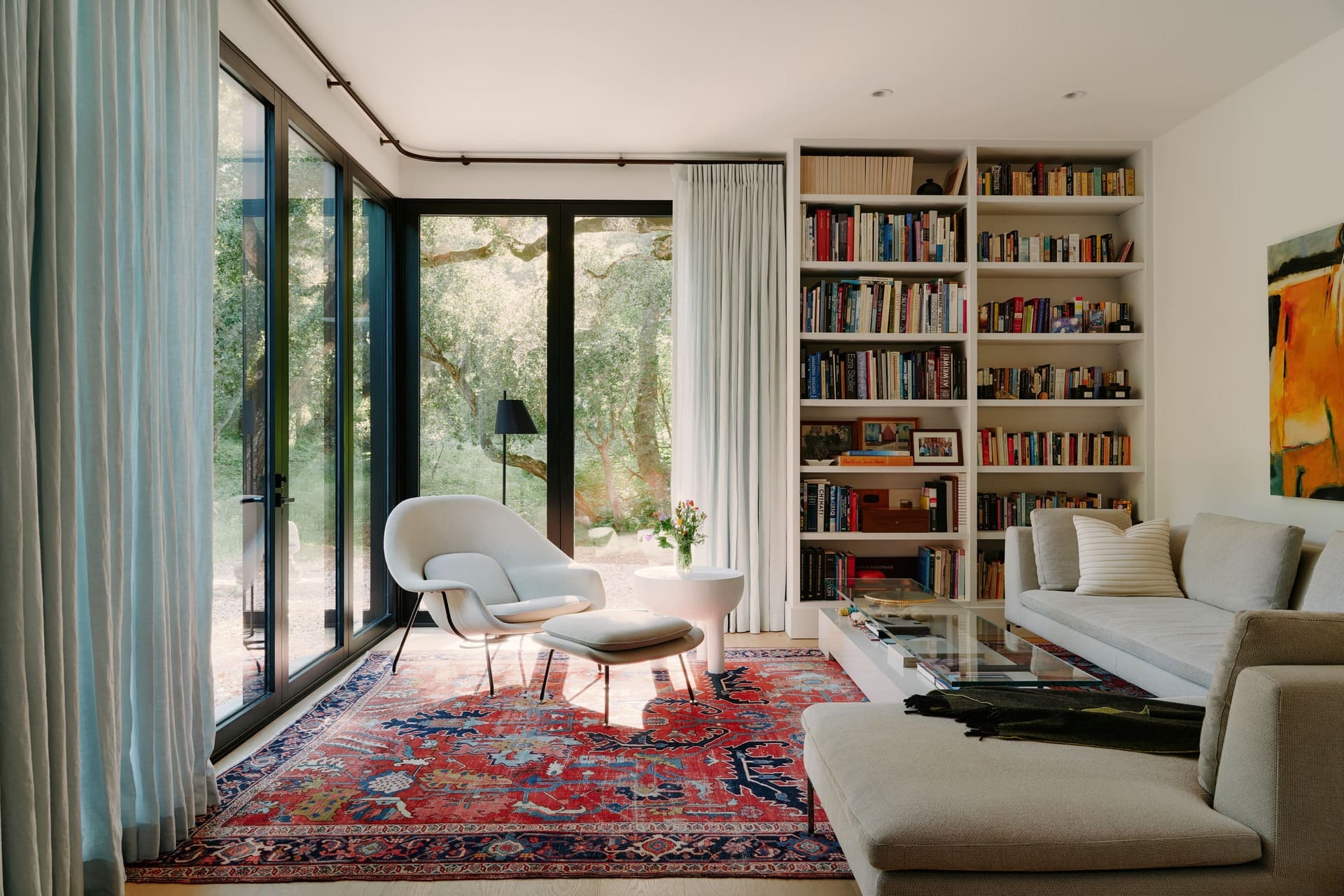
Operational performance was addressed through a layered strategy. Both dwellings are fully electric and serviced by a photovoltaic system producing 179% of annual projected consumption – 20,321 kWh/year – resulting in a substantial energy surplus. Passive-house methodologies, including optimized cross-ventilation, solar orientation, and rigorously balanced daylighting, decrease mechanical loads. High-efficiency heat-recovery ventilation systems maintain stable indoor air quality and thermal equilibrium, while compact, high-output wood stoves provide an auxiliary, low-energy heat source. Native, drought-tolerant planting schemes further curtail water use, and reclaimed effluent applied to irrigation conforms to EPA “WaterSense” criteria adopted throughout the community.
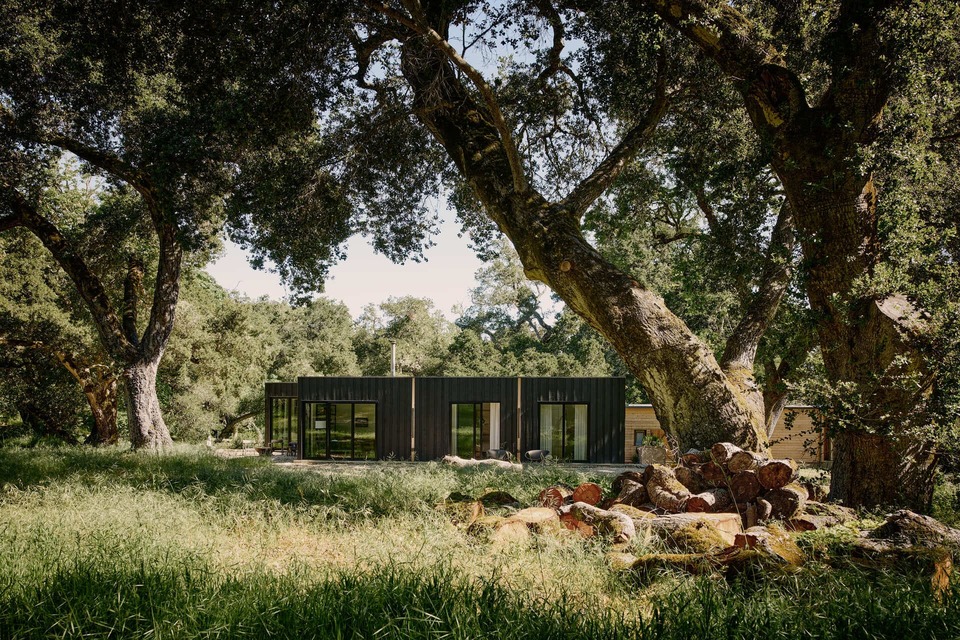
The Preserve’s broader infrastructural framework – electric vehicle charging, shared open-space easements, a community garden, and proximate amenities such as dining, recreational facilities, and a community center – reinforces a planning ethos that privileges ecological stewardship over conventional residential expansion.
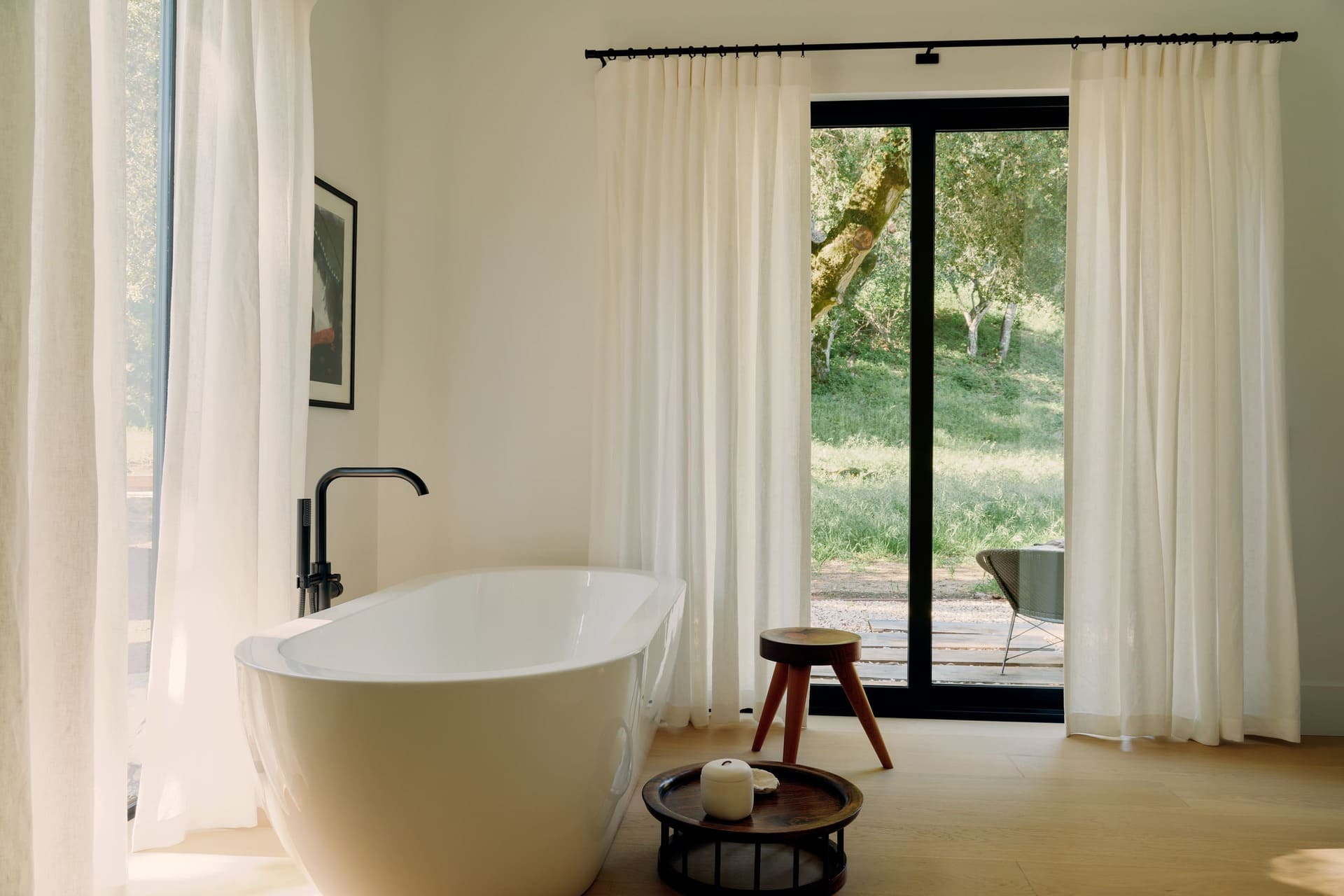
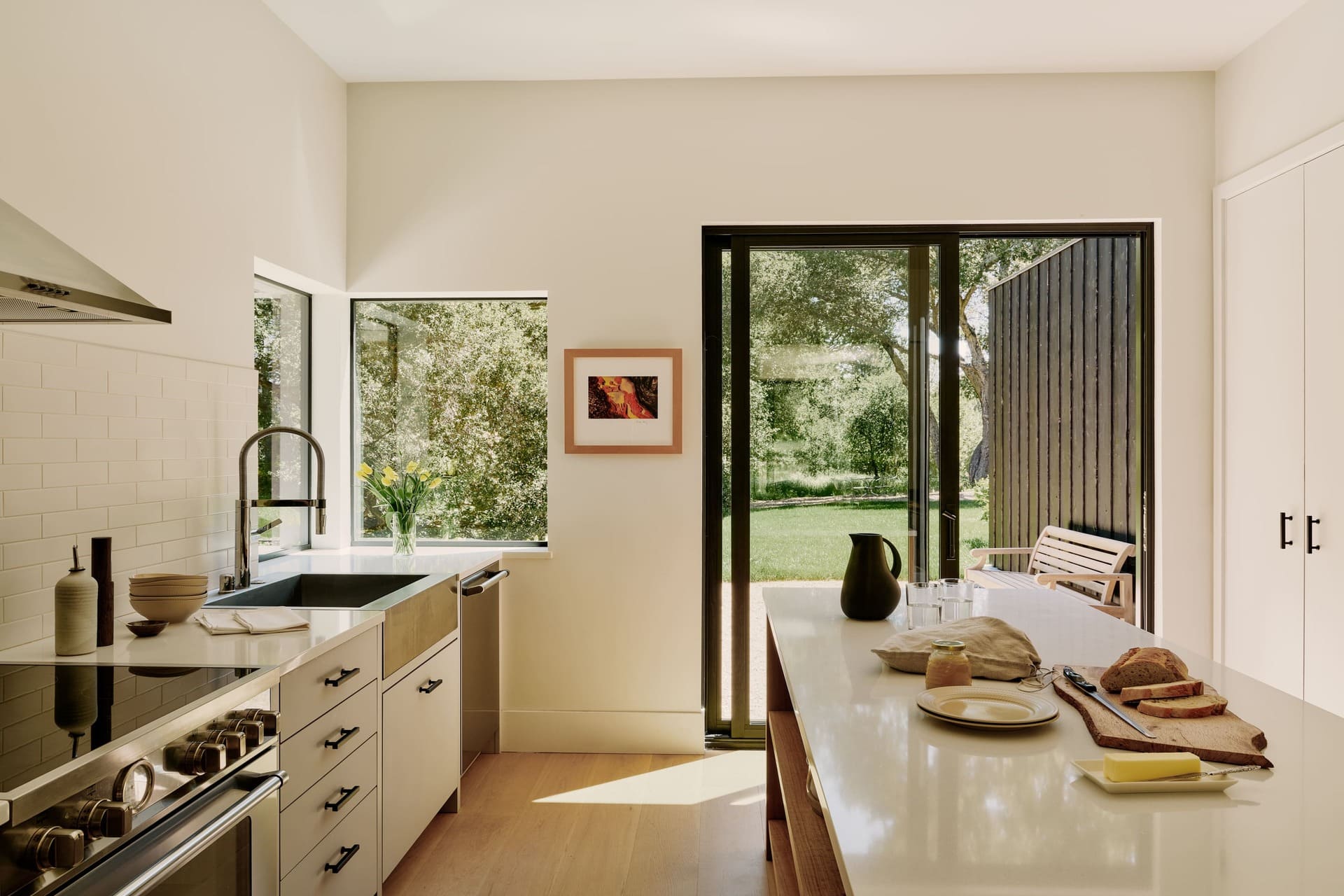
For Studio Schicketanz, the compound operates as an internal prototype: a controlled environment for testing replicable models of compact, low-impact, multigenerational habitation within a highly regulated landscape. The practice – recognized for synthesizing landscape, architectural, and interior disciplines – used the project to examine scalable strategies involving off-site manufacturing, cost containment, and energy autonomy. Schicketanz, whose three-decade career spans the Western United States and Europe, continues to emphasize spatial clarity, environmental prudence, and methodical planning frameworks.
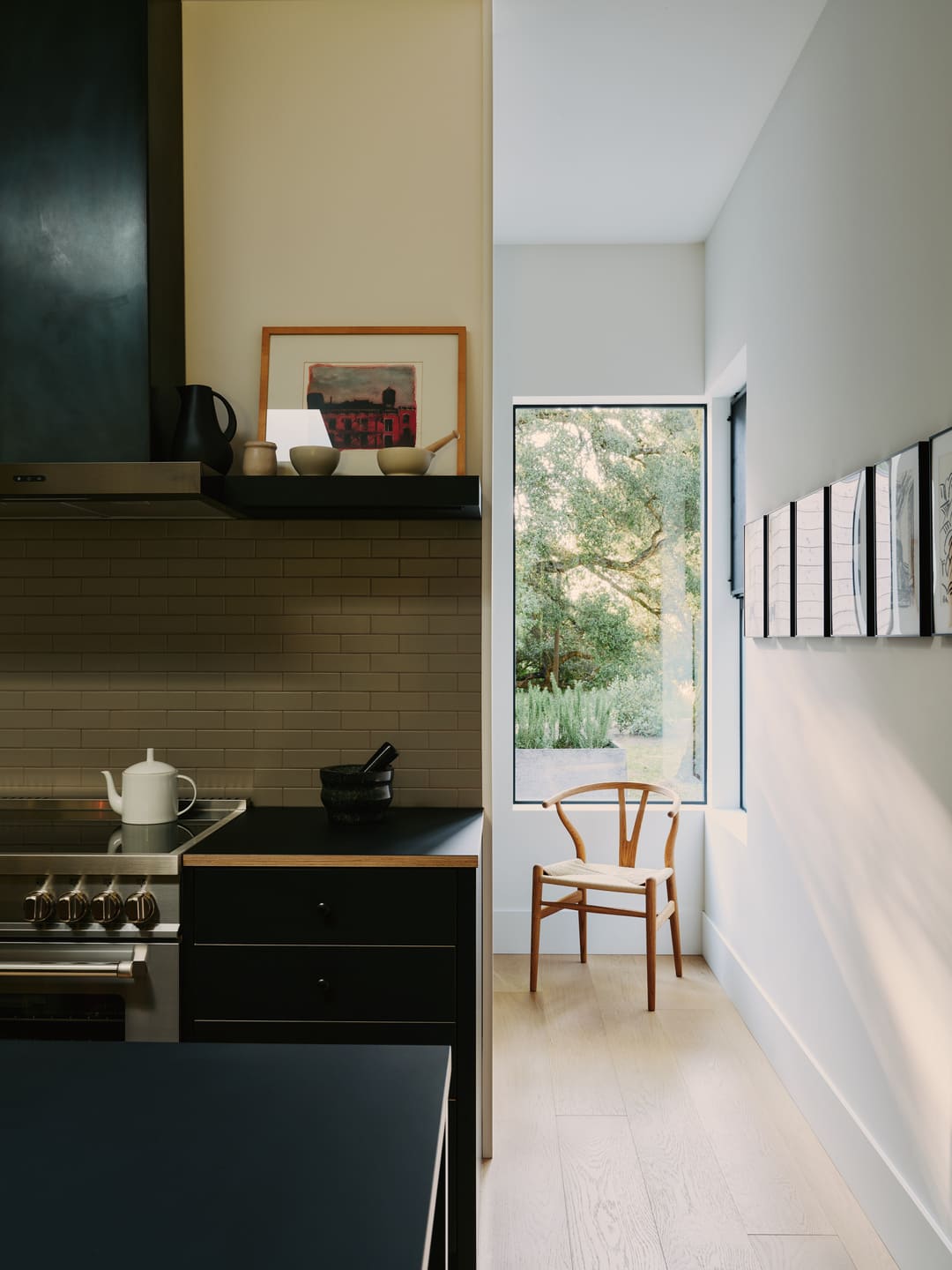
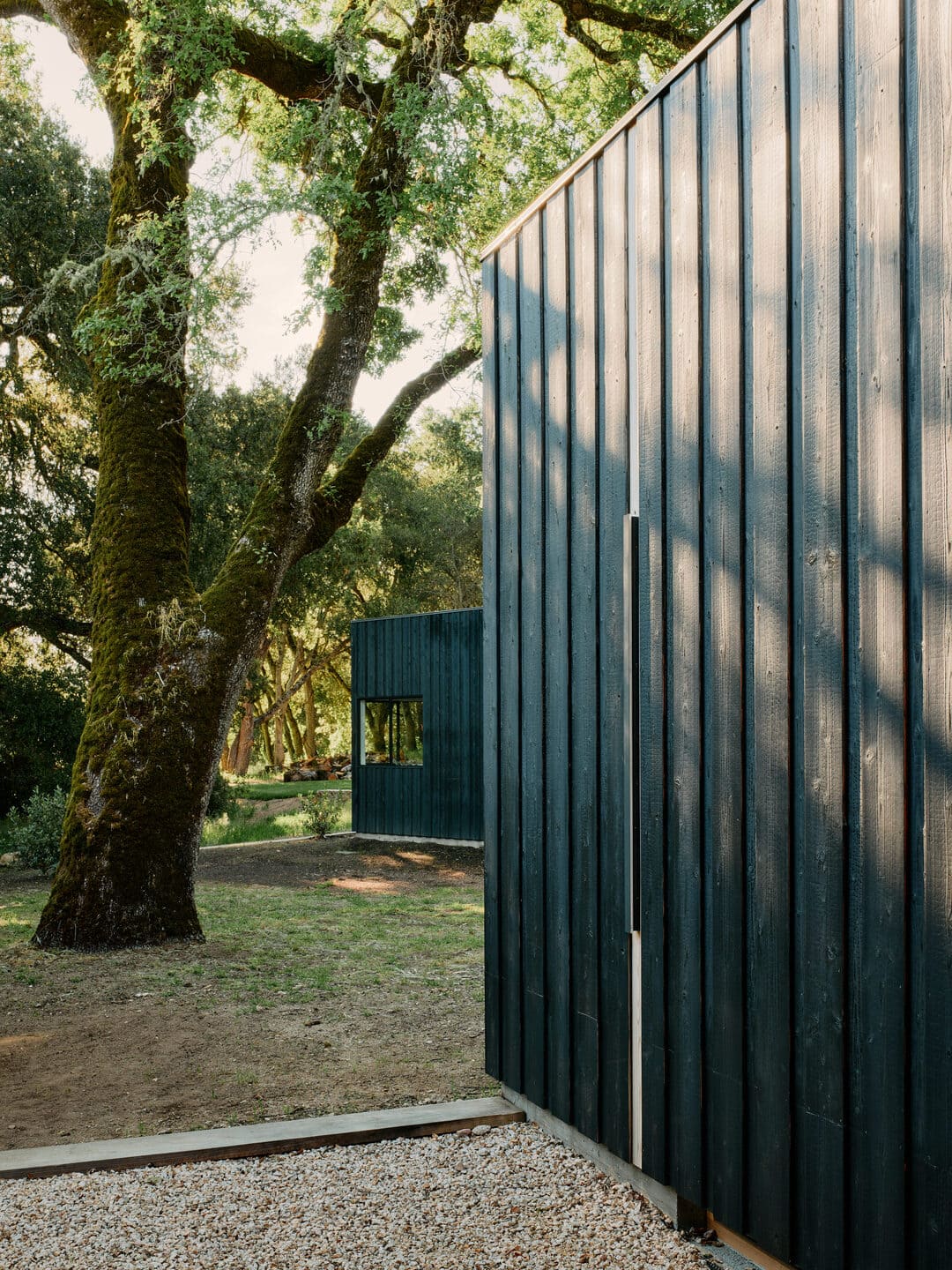
In aggregate, the Carmel compound functions less as a display piece than as a pragmatic demonstration: an ensemble of buildings shaped by ecological strictures and intergenerational utility, calibrated to coexist with the land rather than supersede it.



Once upon a time there were crafts workshops. Then came the advent of industrial design and mass production.