
Design Courier

HOME   |

INSIDERS

Building with the Land: in Conversation with Chad Oppenheim

d001c0266_241128_8bv114.jpg

Chad Oppenheim is not your typical architect. Since founding Oppenheim Architecture in 1999, he has pursued a vision of design that is as much about feeling as it is about form. With offices in Miami and Basel, his practice spans six continents, yet every project is deeply rooted in its own unique context. From the deserts of Saudi Arabia to the shores of the Red Sea, Oppenheim’s work reads the land, the history, and the culture, transforming those insights into spaces that are both monumental and intimate.

A graduate of Cornell University and a Fellow of the AIA, Oppenheim has built a reputation as a master of “sensory, site-specific architecture,” where the goal is never to impose a style, but to uncover the inherent character of a place. Whether designing high-rises inspired by natural crystals or immersive desert resorts, his projects explore the subtle interplay between nature, material, and human experience.

Beyond the drawing board, Oppenheim is a teacher, author, and storyteller, exploring architecture as a medium for cultural dialogue and ecological respect. His work and ideas challenge conventional notions of scale, spectacle, and place-making, emphasizing a quiet monumentality and a deep sense of connection to the world around us.

In this interview, he reflects on the principles that guide his global practice: building with the land, designing for emotion, and recalibrating the relationship between humans and the natural world.

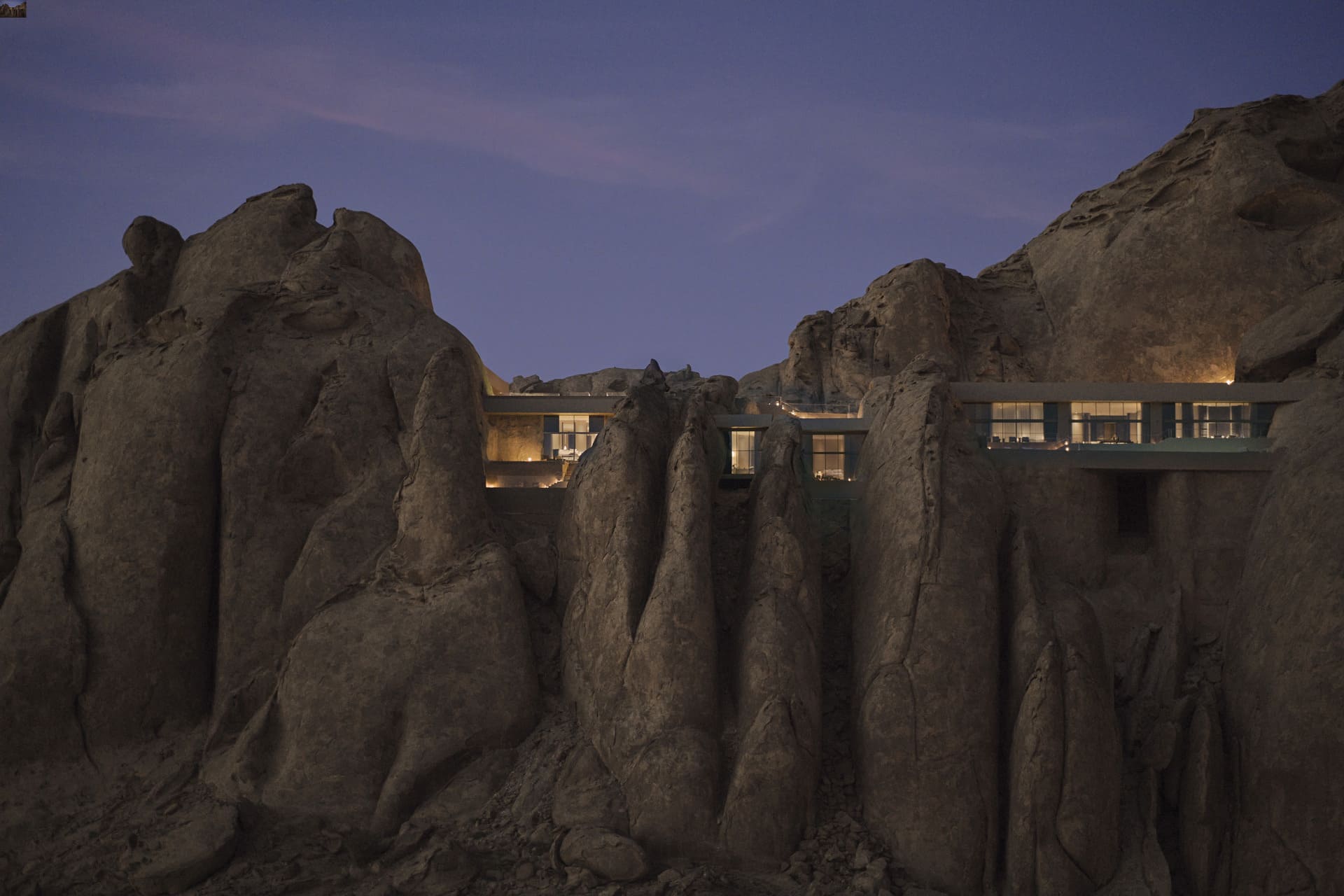
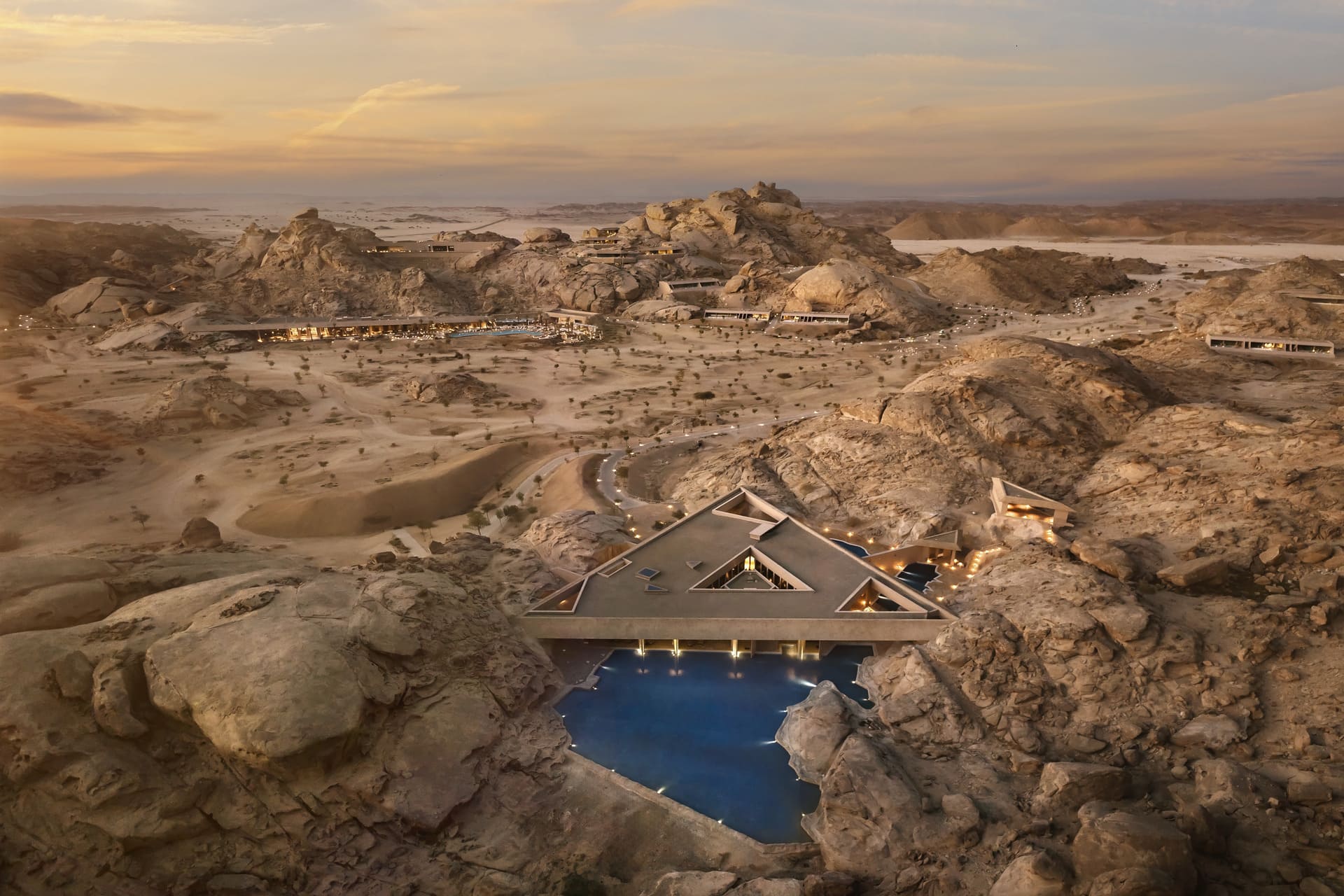
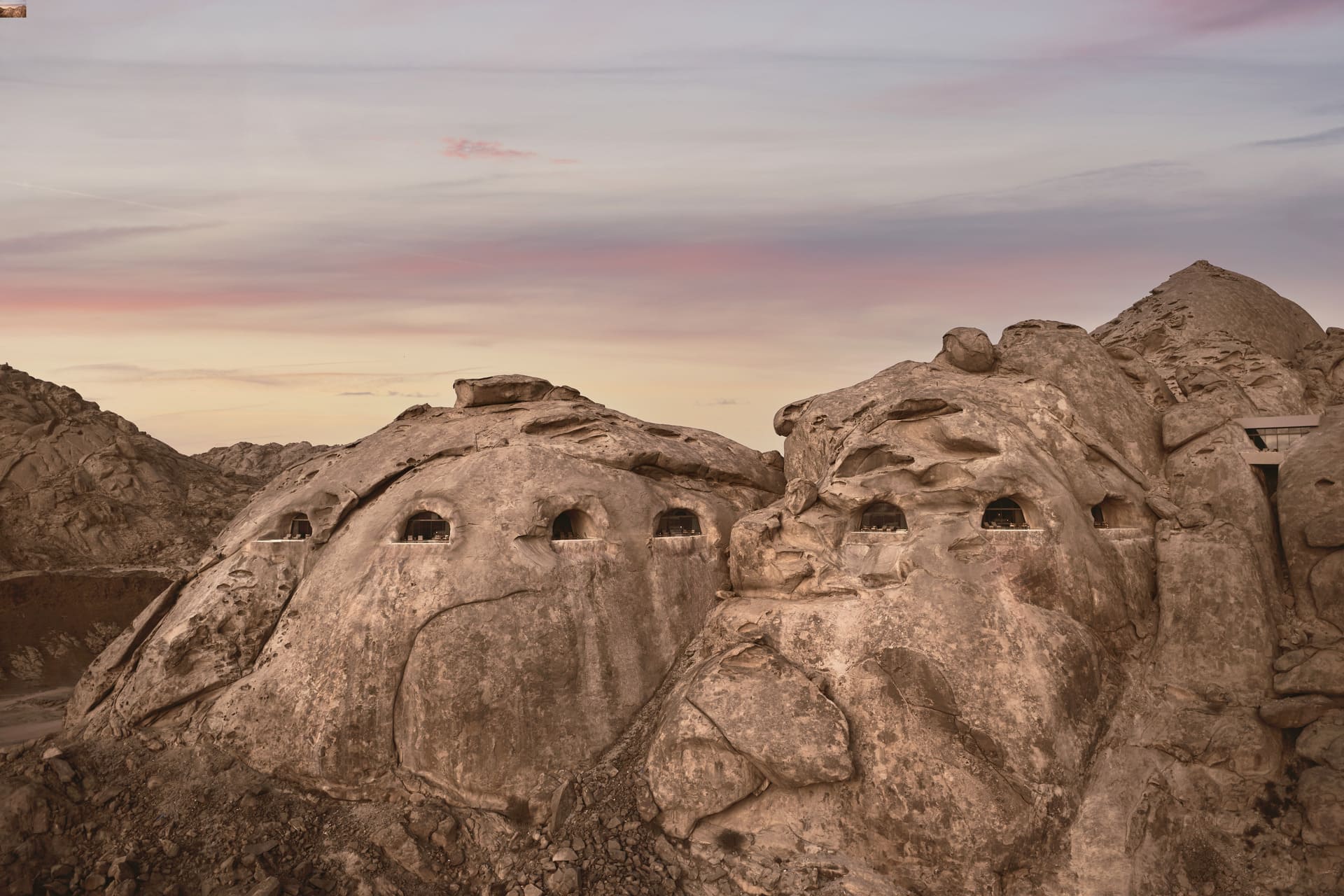
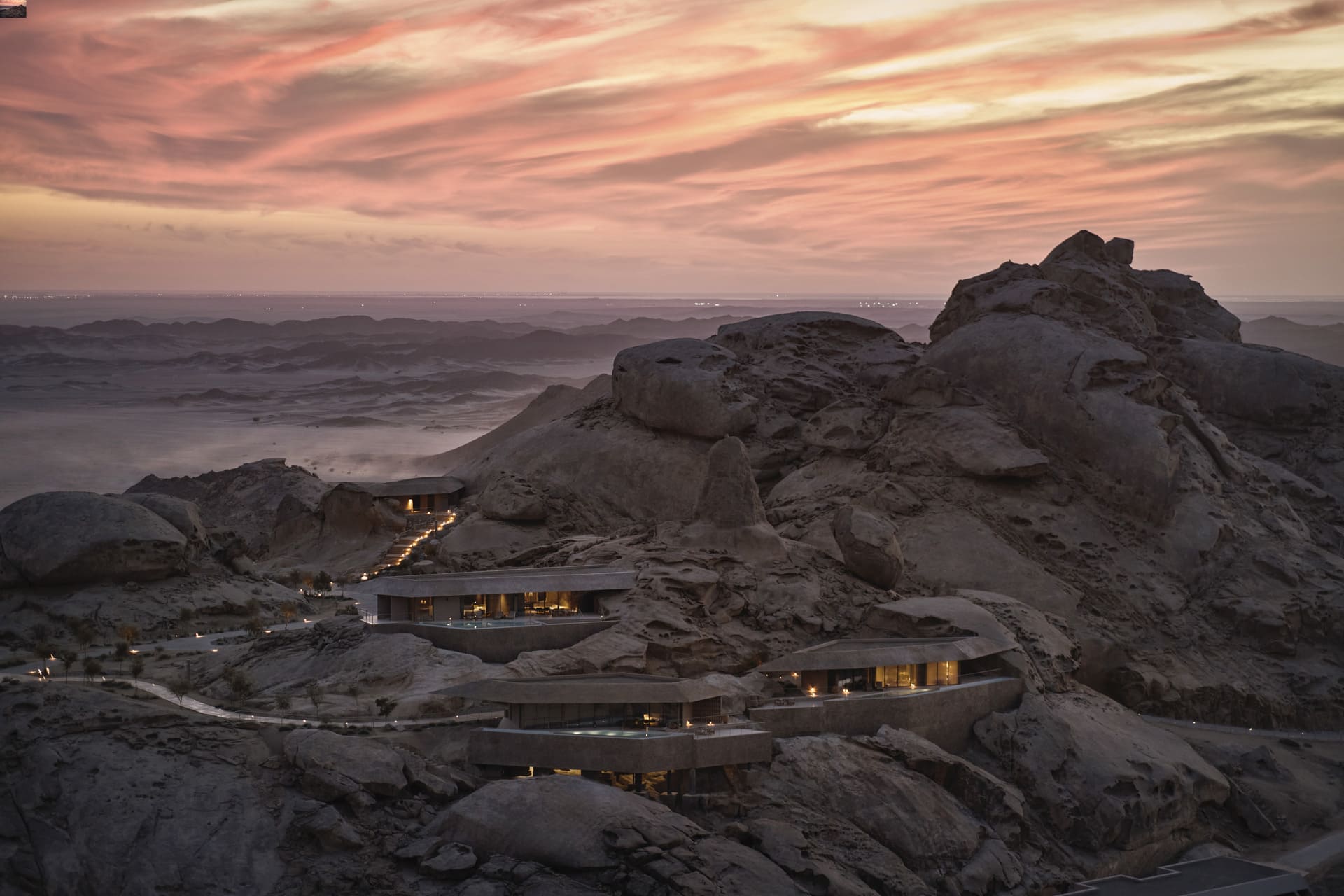
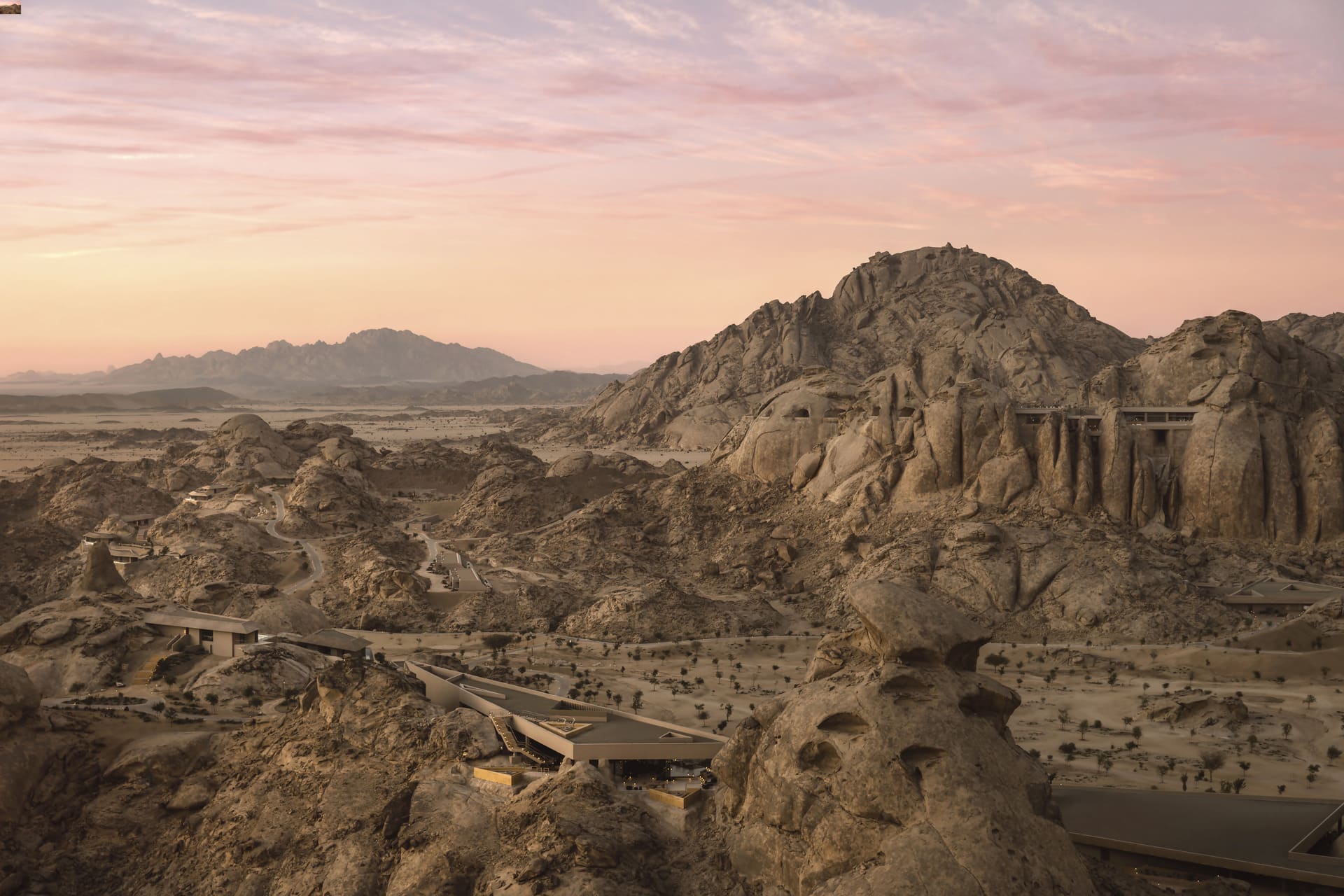
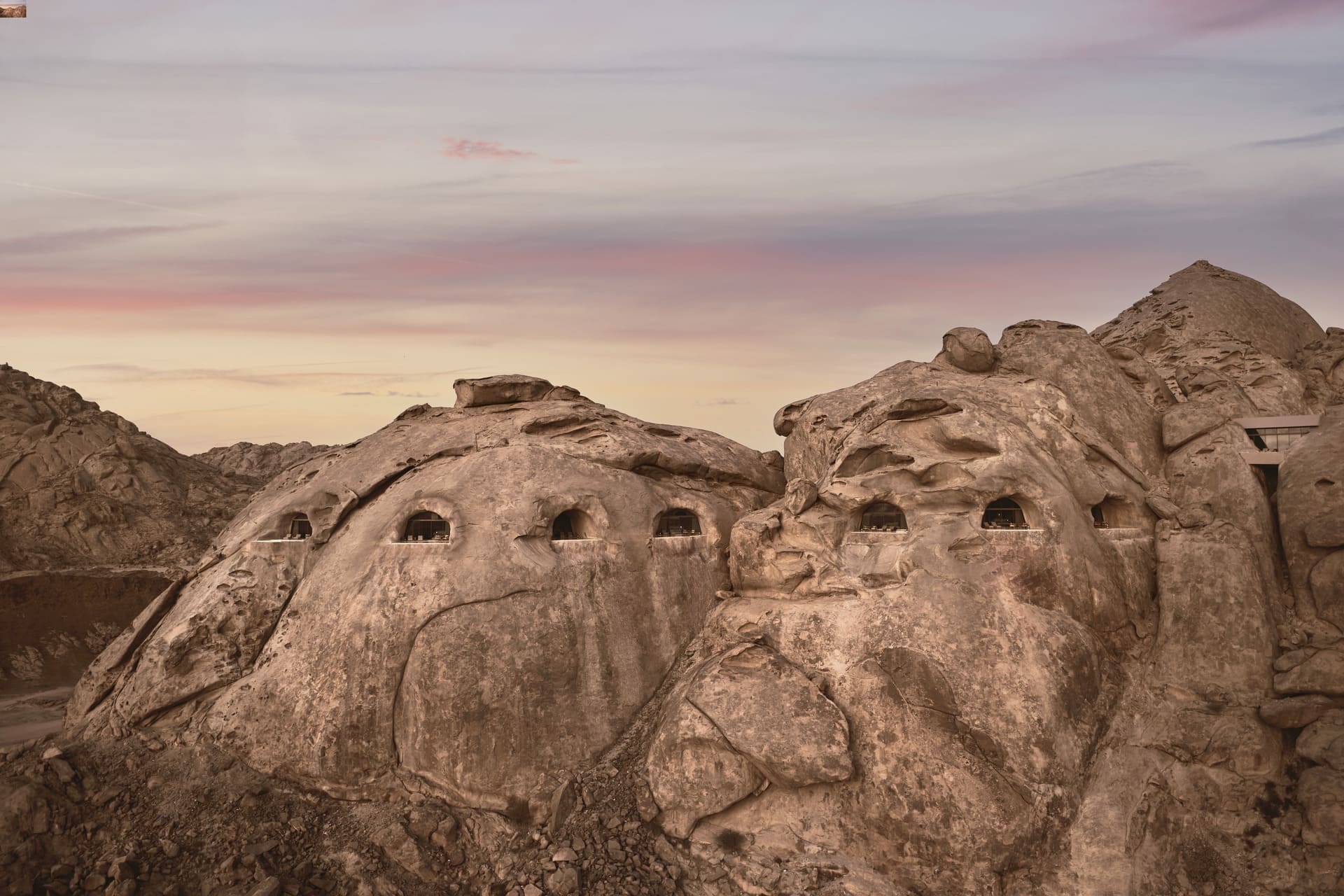
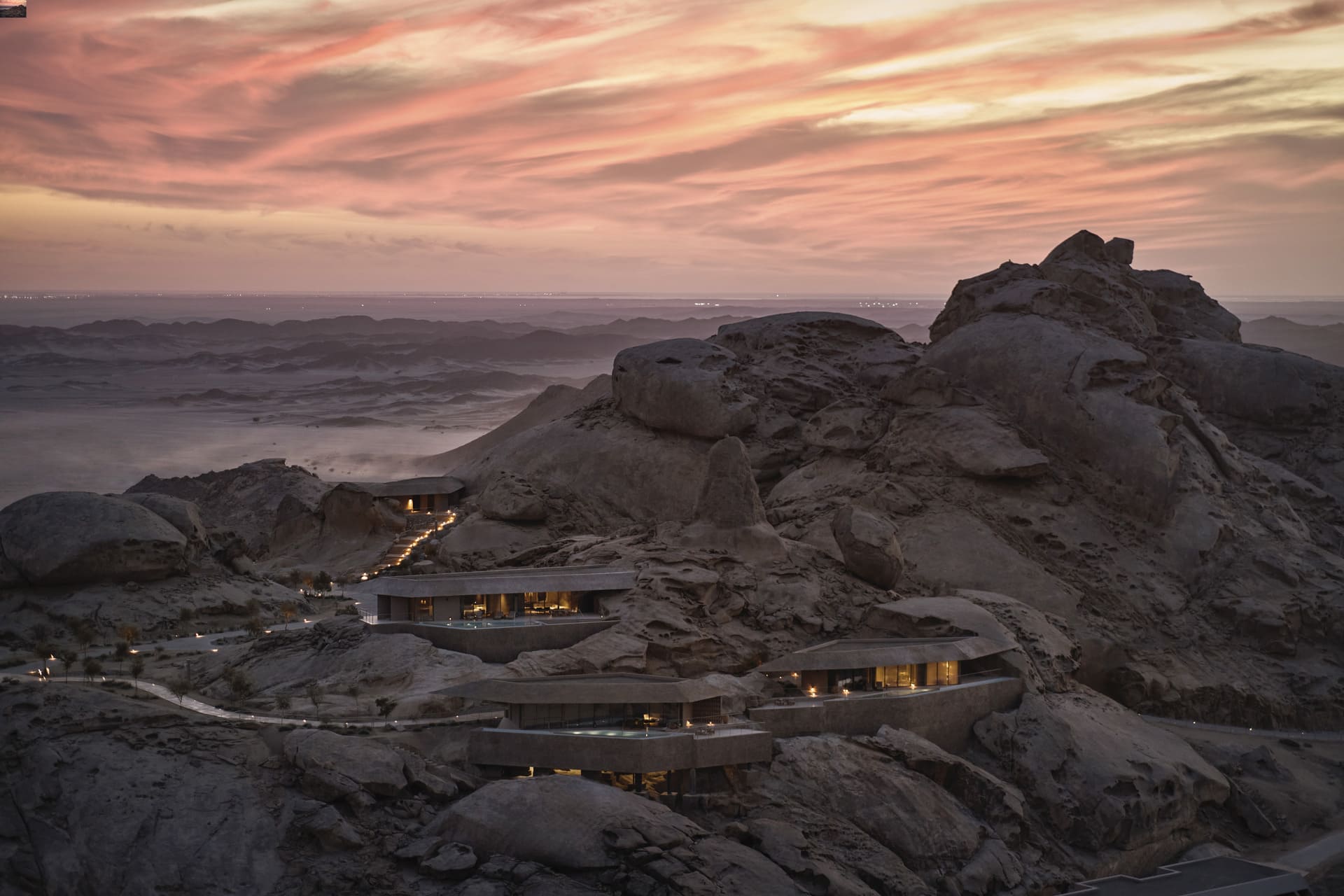
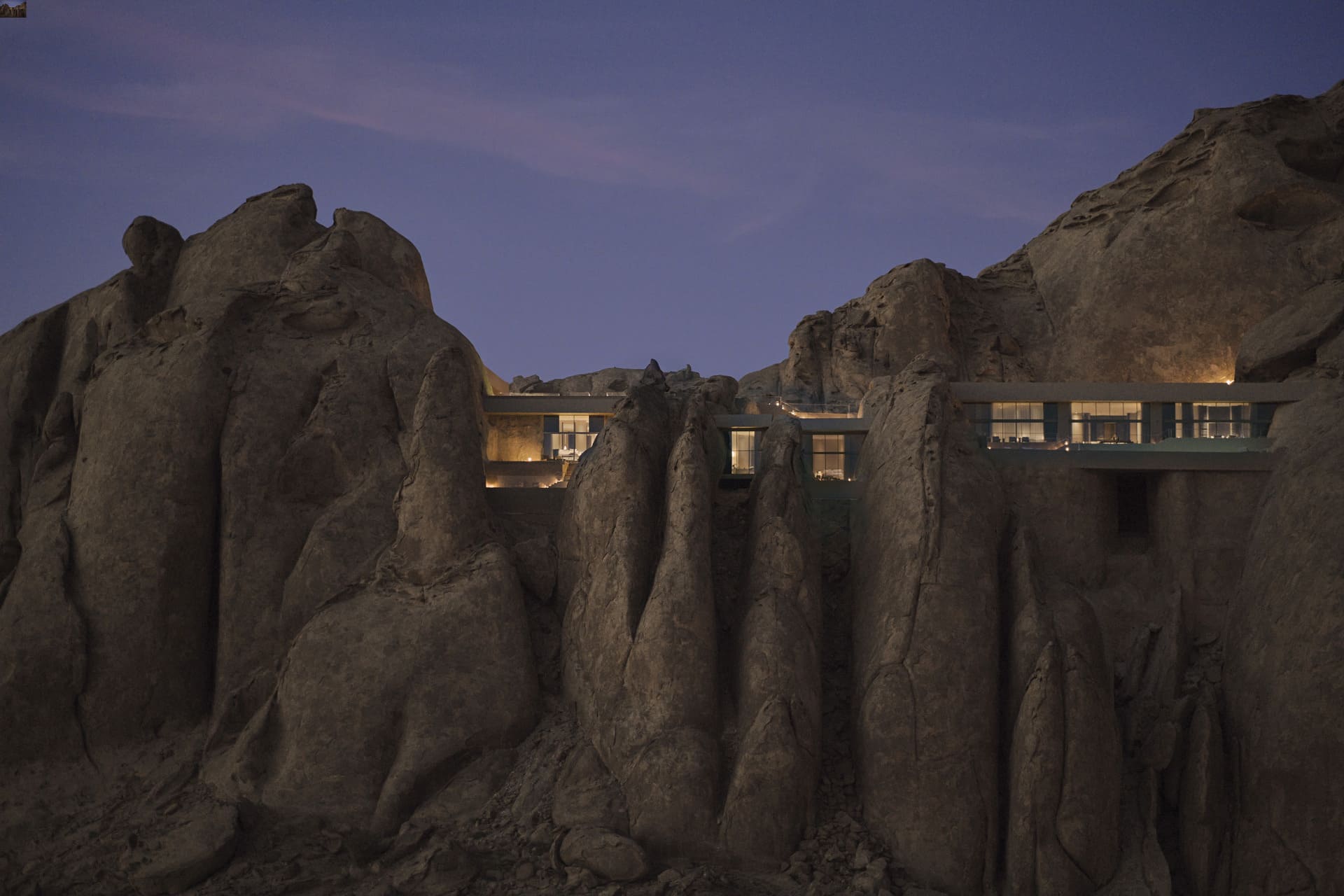
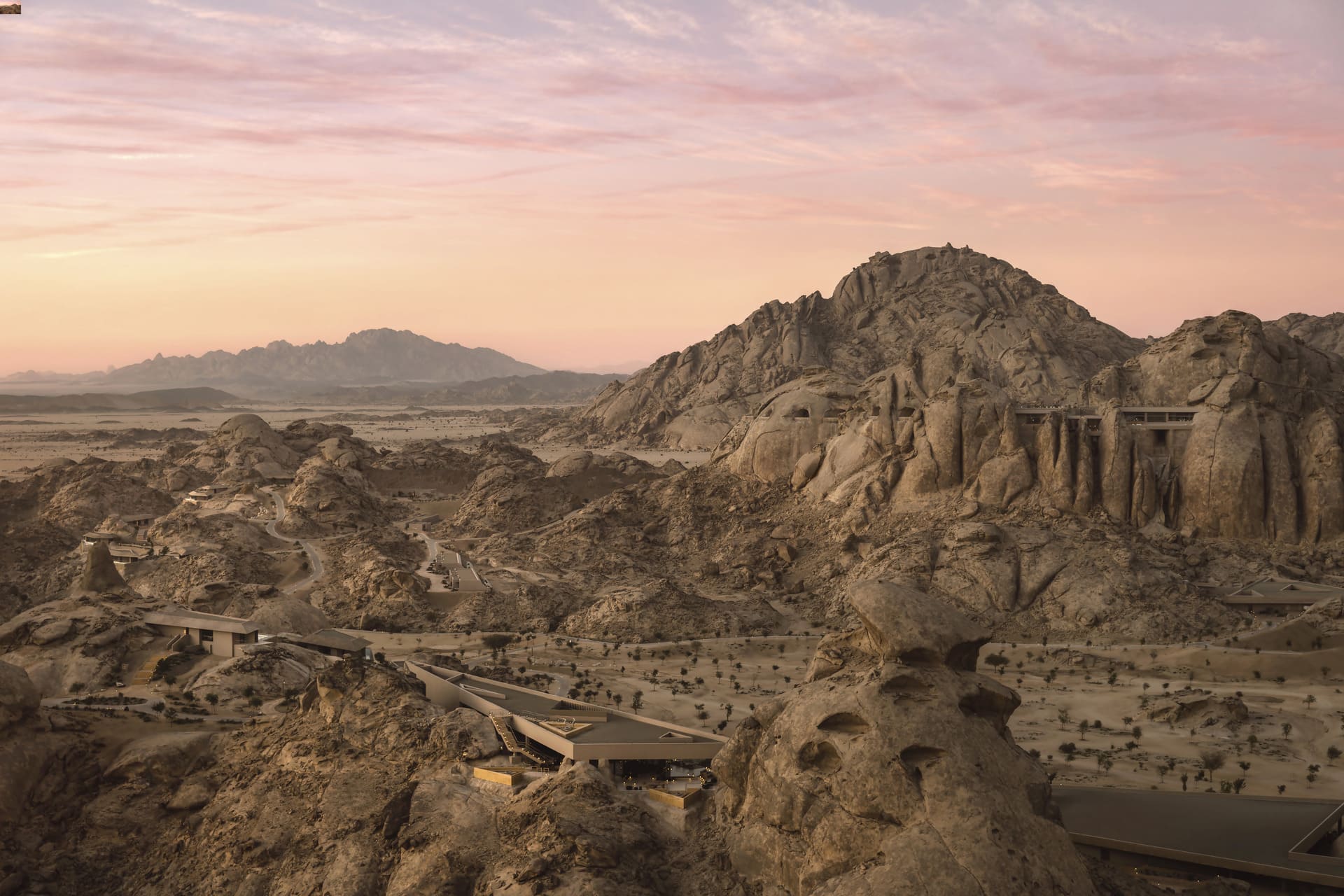
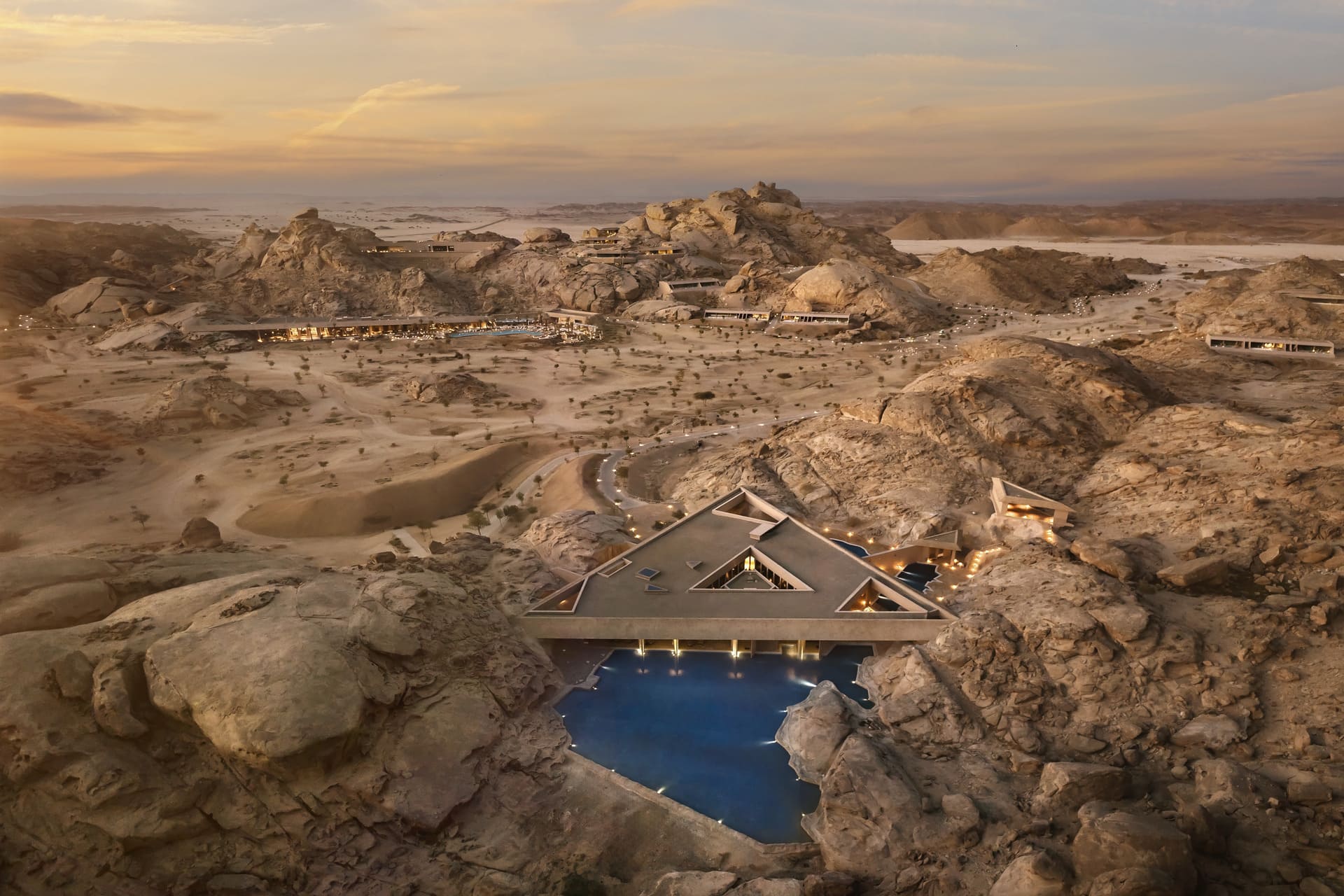
Desert Rock Resort, Kingdom of Saudi Arabia <br /> Image copyright: @John Athimaritis
Desert Rock Resort, Kingdom of Saudi Arabia
Image copyright: @John Athimaritis

With the Land: You say you build with the land, not on it. How do you reconcile that philosophy with today’s construction demands and environmental regulations? 

I first heard the idea in seventh grade when studying Native Americans – the teacher said they live with the land, not on it. At the time, it didn’t stick, but decades later, as I worked on projects in sensitive, beautiful environments, it really resonated: we don’t want to build on the land; we want to build with it.

That distinction is subtle but fundamental. Building with the land means letting it guide the architecture. The geology, the site, the wind, the views – they all inform our decisions. We act almost like conduits, allowing nature to be the star, and using architecture only to enhance how people experience the place.

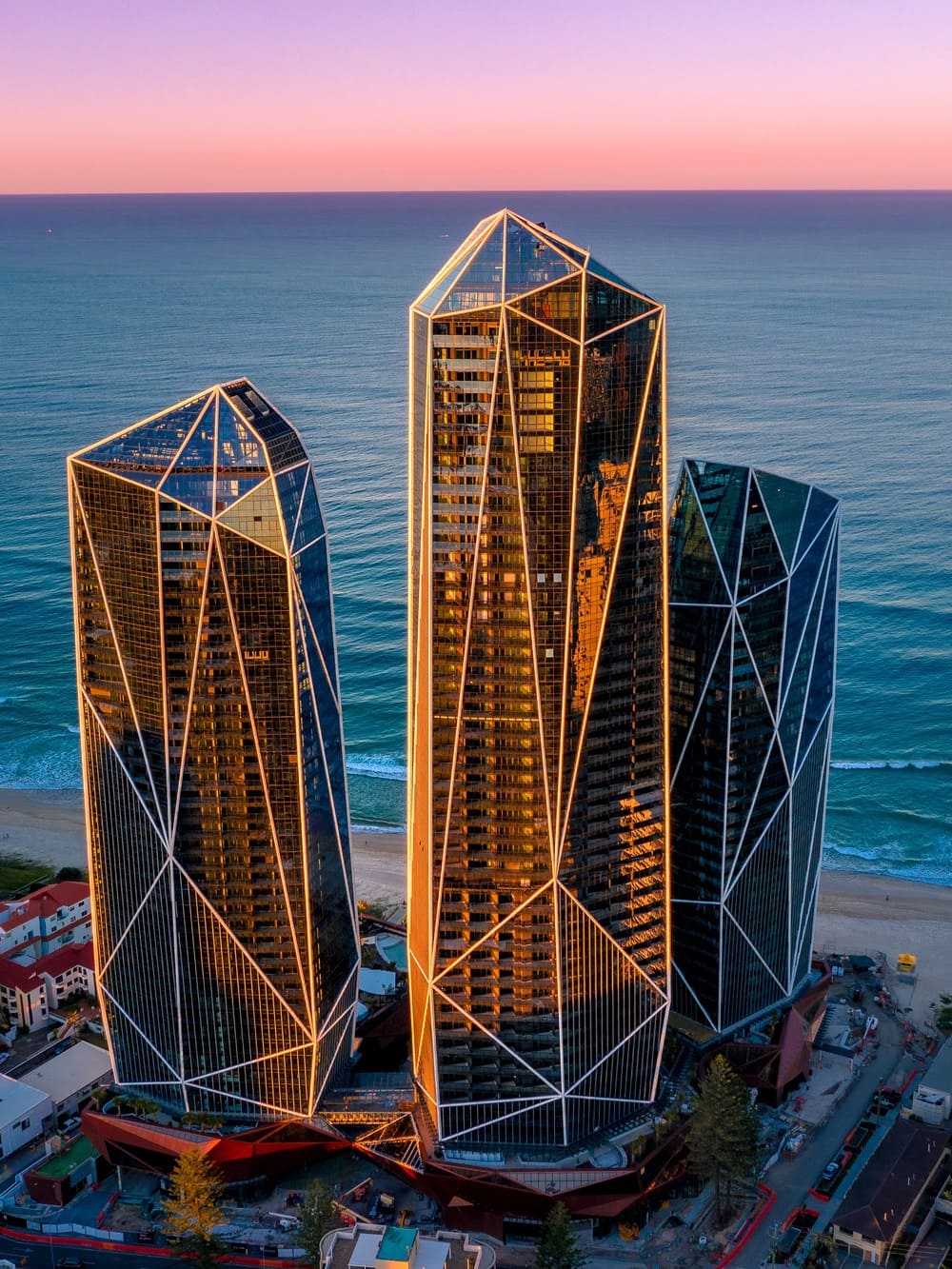
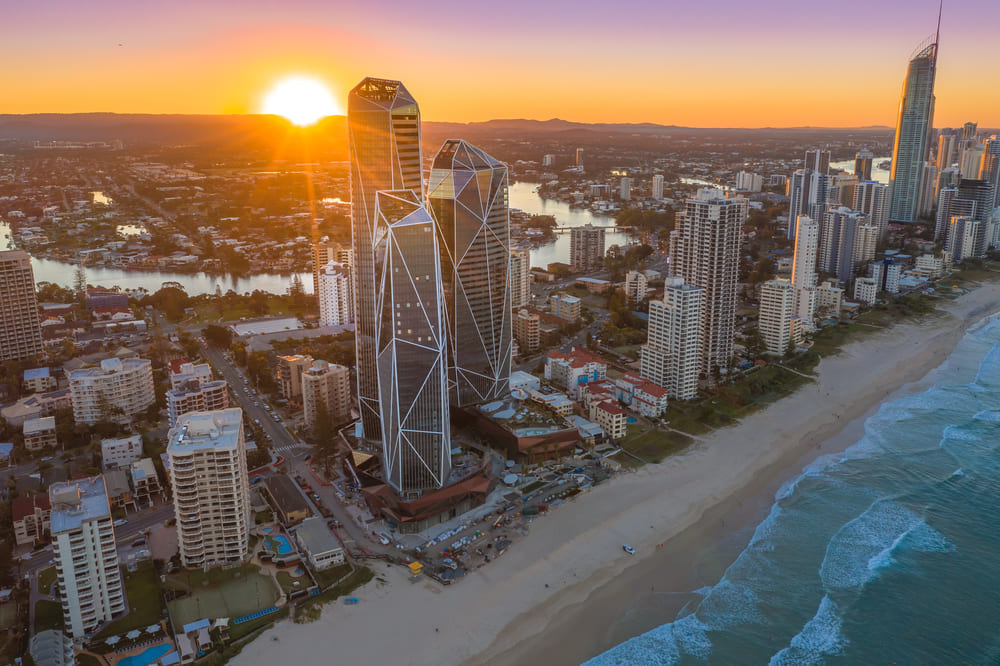
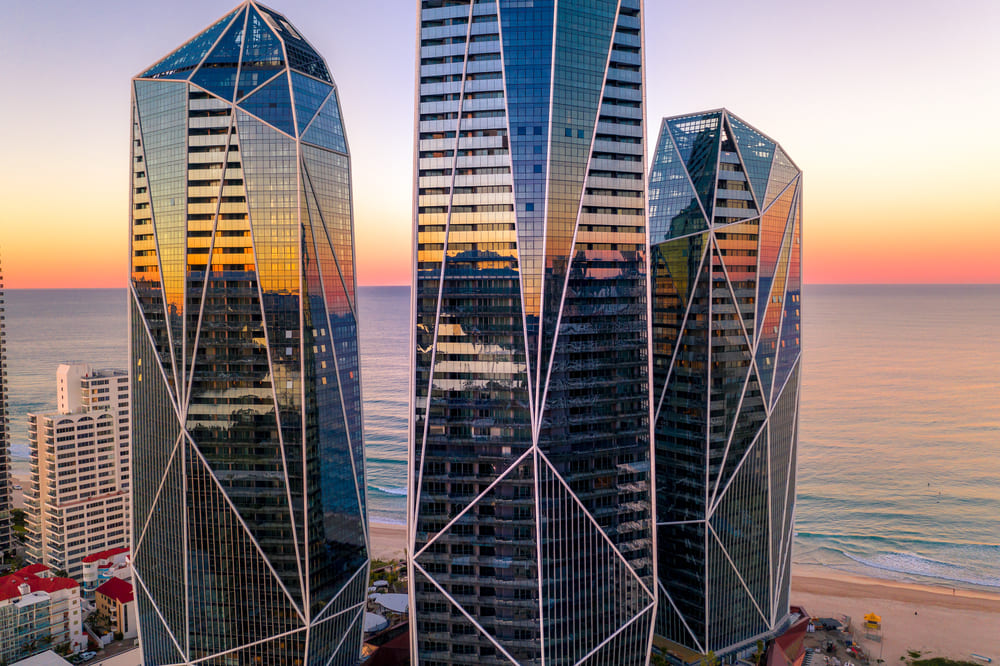
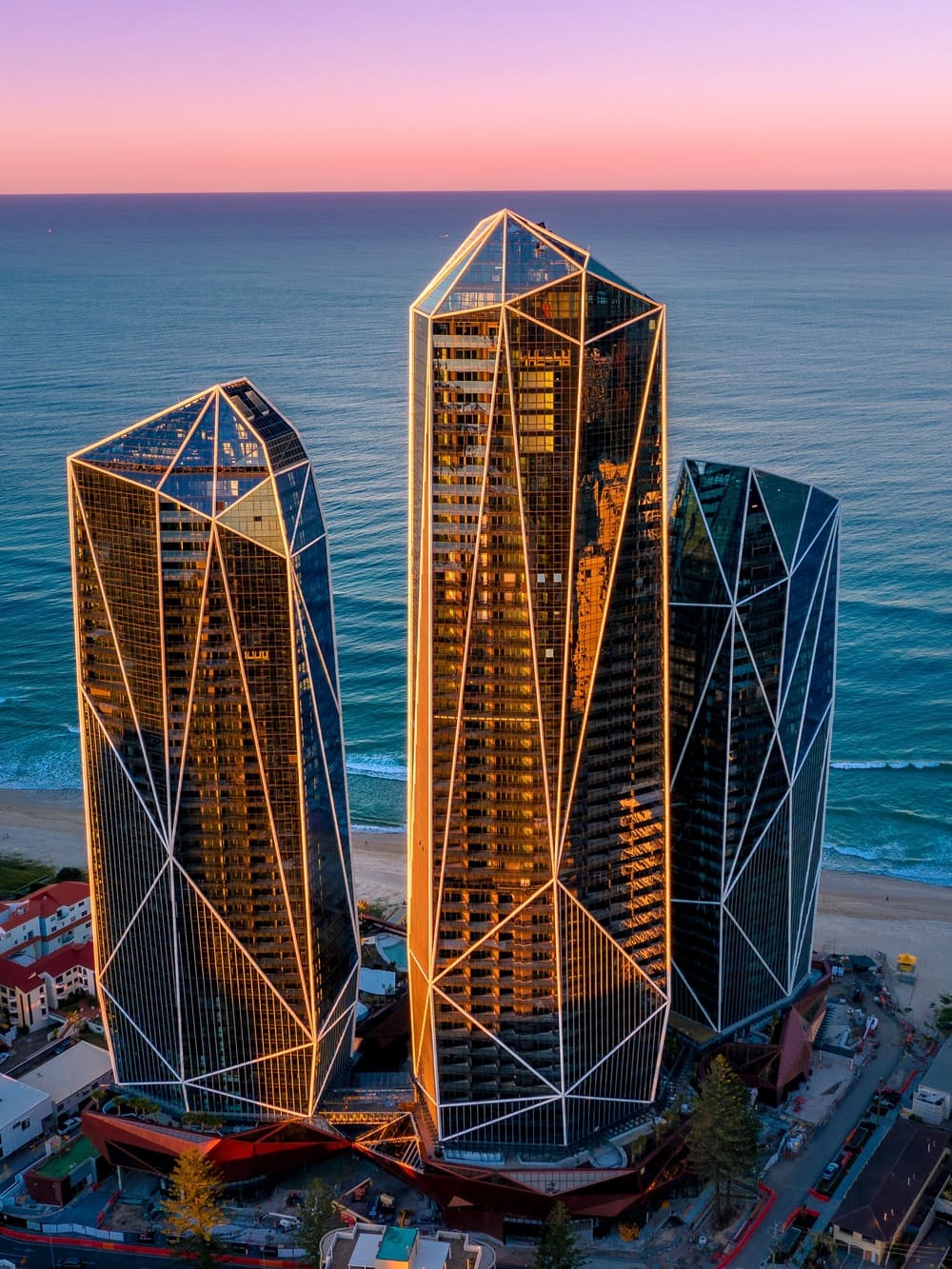
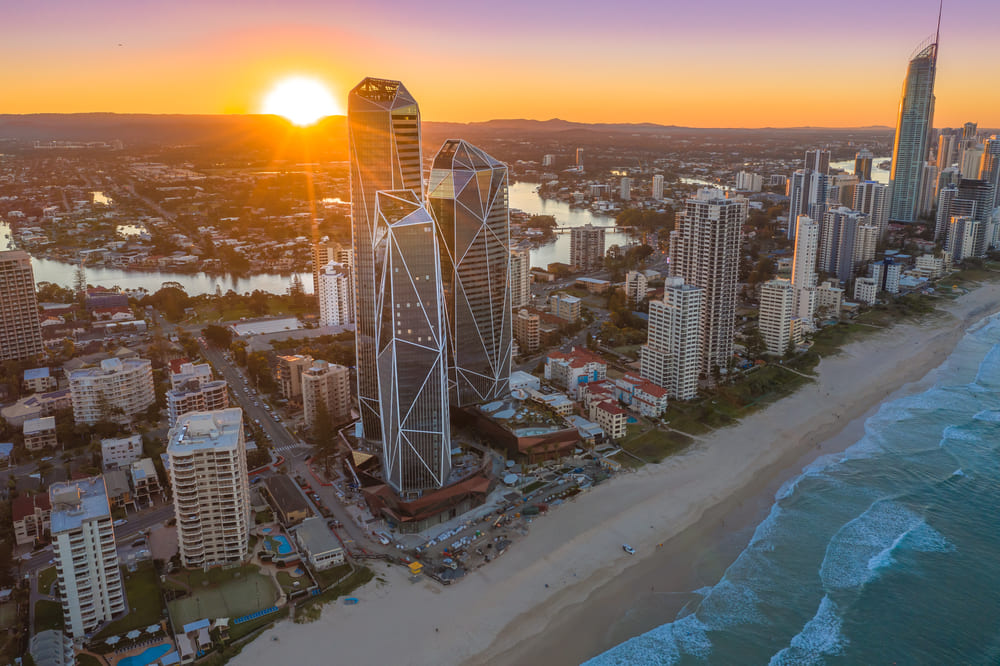
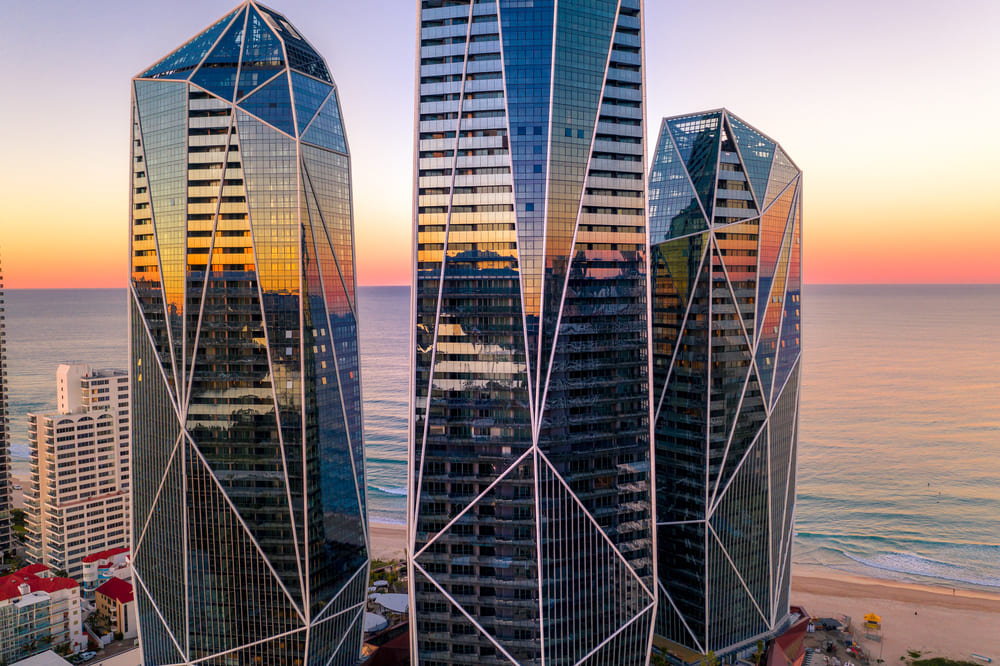
We focus on emotion rather than arbitrary form – what we call “form follows feeling.” Even in complex projects like high-rises, the land can guide design. On the Gold Coast of Australia, for example, three towers were inspired by crystals found near the site. Their heights and shapes were directly informed by the crystals, without us forcing the form.

It’s a careful, sometimes arduous process, but the goal is always the same: the architecture should disappear into the landscape, letting nature remain the focus. The land, in every sense, informs and shapes the work, creating spaces that feel alive, emotional, and deeply connected to their surroundings.

Form Follows Feeling: Can you share an example of a project where an emotion or atmosphere became the true generator of form, and how that emotional intention was translated into spatial and material decisions?

The idea of “form follows feeling” is that our work is about experience. Architecture is just one part of that. What truly matters is feeling. And feeling engages all the senses: the sound of water, the scent of plants, the taste of local food, the texture of materials. Form is derived from what will feel best. We design to create pleasure, emotion, and a connection to the place.

Take Desert Rock in Saudi Arabia. The site itself evokes a certain feeling – the monumentality of the desert, the drama of the rocks, the play of light and shadow, the silence, the sunrise and sunset. Breezes, shade, textures – all these sensory experiences guide the architecture. The goal isn’t to look cool; it’s to heighten the multidimensional, multisensory experience of being there.

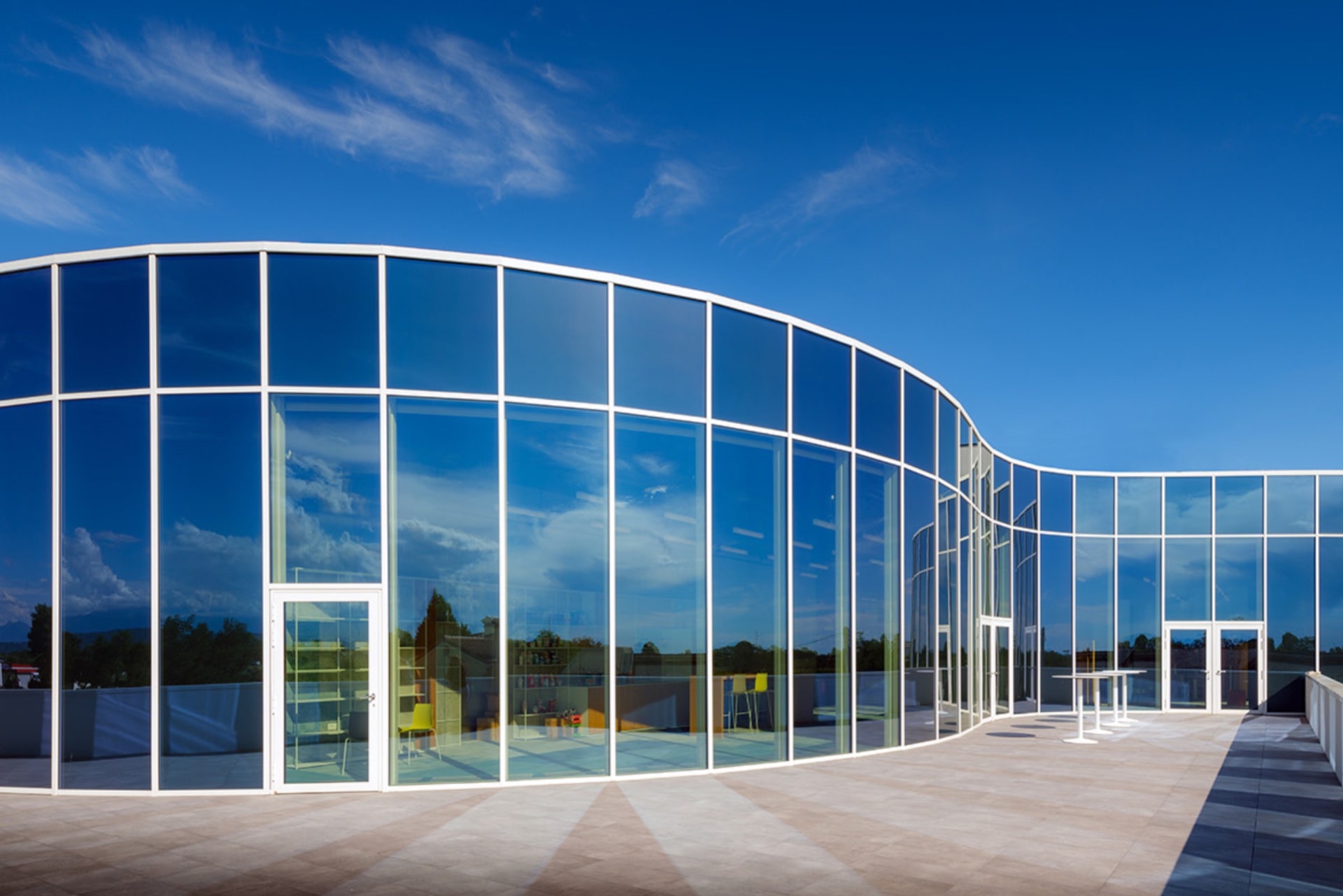
Similarly, at Shebara on the Red Sea, we wanted to amplify the connection to water and sky. The buildings were designed as reflective pods that blend with their surroundings, almost like apparitions. They morph with the landscape, so you don’t even feel like you’re seeing a building.

In both cases, nature is the priority. At Shebara, we carefully protected the pristine reefs, ensuring development enhanced, rather than harmed, the environment. Every project aims to leave nature more abundant – more vegetation, more wildlife, healthier habitats.

At its core, “form follows feeling” is about recalibrating the relationship between humans and nature. It’s about designing not just for human enjoyment, but for all life – creating spaces where architecture serves emotion and ecology, rather than dominating or exploiting them.

Jewel, Gold Coast <br /> Image copyright: @Richard Greenwood/Courtesy of Multiplex
Jewel, Gold Coast
Image copyright: @Richard Greenwood/Courtesy of Multiplex

Architectural Archaeology: You often “uncover” a site’s hidden code. How do you know when you’ve found the site’s “code”? Is it a moment of clarity, or a gradual uncovering through iteration and dialogue?

It’s a mix of intuition, exploration, and study. When we start a project, we investigate the site deeply – its geology, how the land formed, how erosion shaped it. That natural logic often becomes the first clue of the site’s “code.” At Desert Rock, for instance, the patterns in the eroded rock guided the forms we created, reflecting how the landscape naturally shapes itself.

We also look at how people historically lived in these environments. The Nabataean people carved into mountains between Saudi Arabia and Jordan, creating structures that responded to the land with incredible intelligence and resourcefulness. Similarly, the Hopi in North America built cliff dwellings using materials at hand, techniques refined over generations. These examples aren’t about copying the past. They teach us truths about inhabiting a place in a way that’s inherent, sustainable, and timeless.

We call it “architectural archaeology” because, like archaeologists, we uncover the site layer by layer, brushing off history, geology, flora, and fauna, and learning from them. The process is iterative, but moments of clarity emerge when the architecture feels viscerally right. It’s not intellectual or stylistic; it’s about a feeling everyone can share, whether a critic or a visitor.

Ultimately, it’s about creating architecture that is of its place, celebrates nature, and feels eternal. By studying the land, the history, and the life it supports, we can design spaces that are both deeply rooted in the past and open to the future.

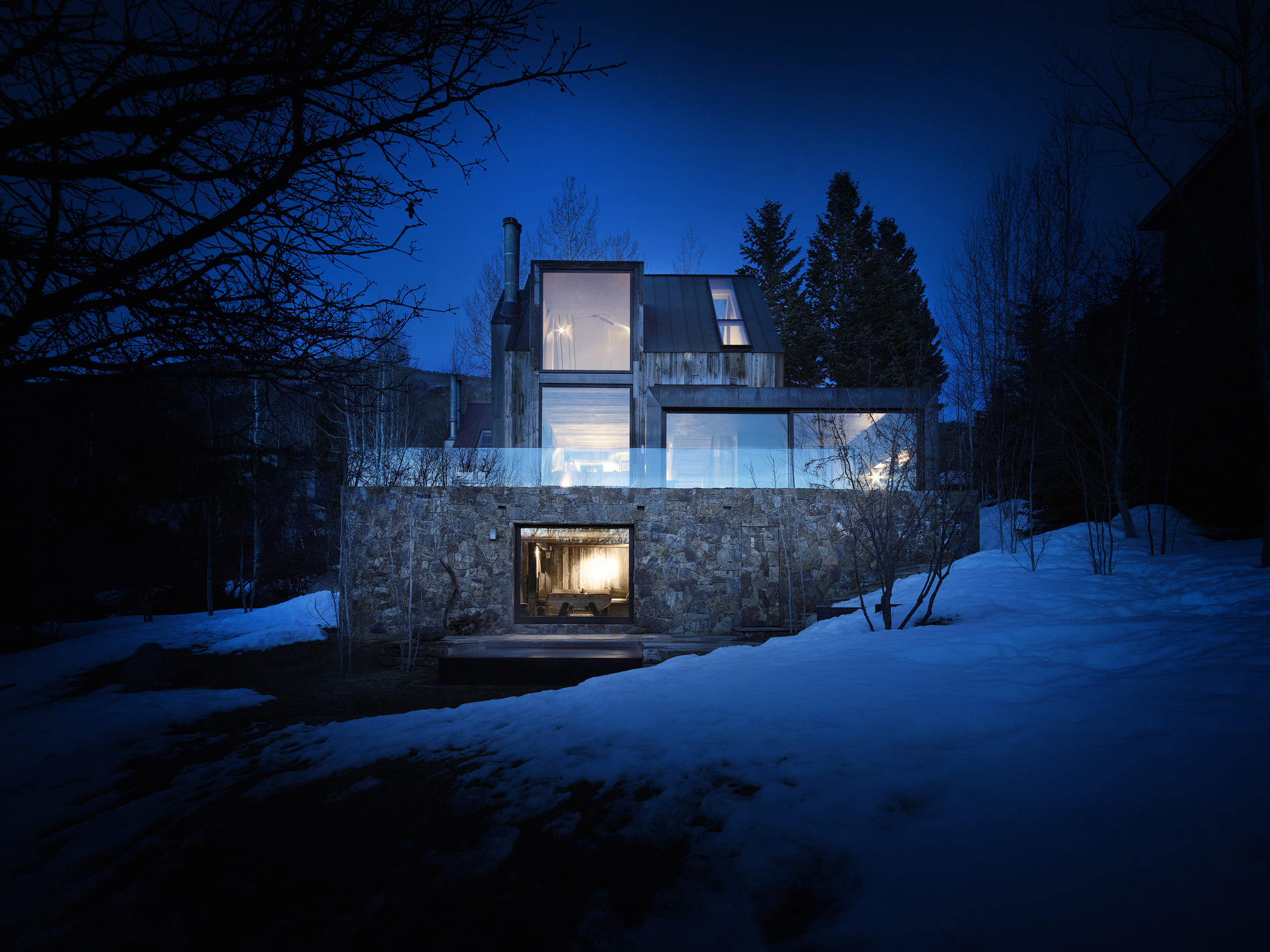
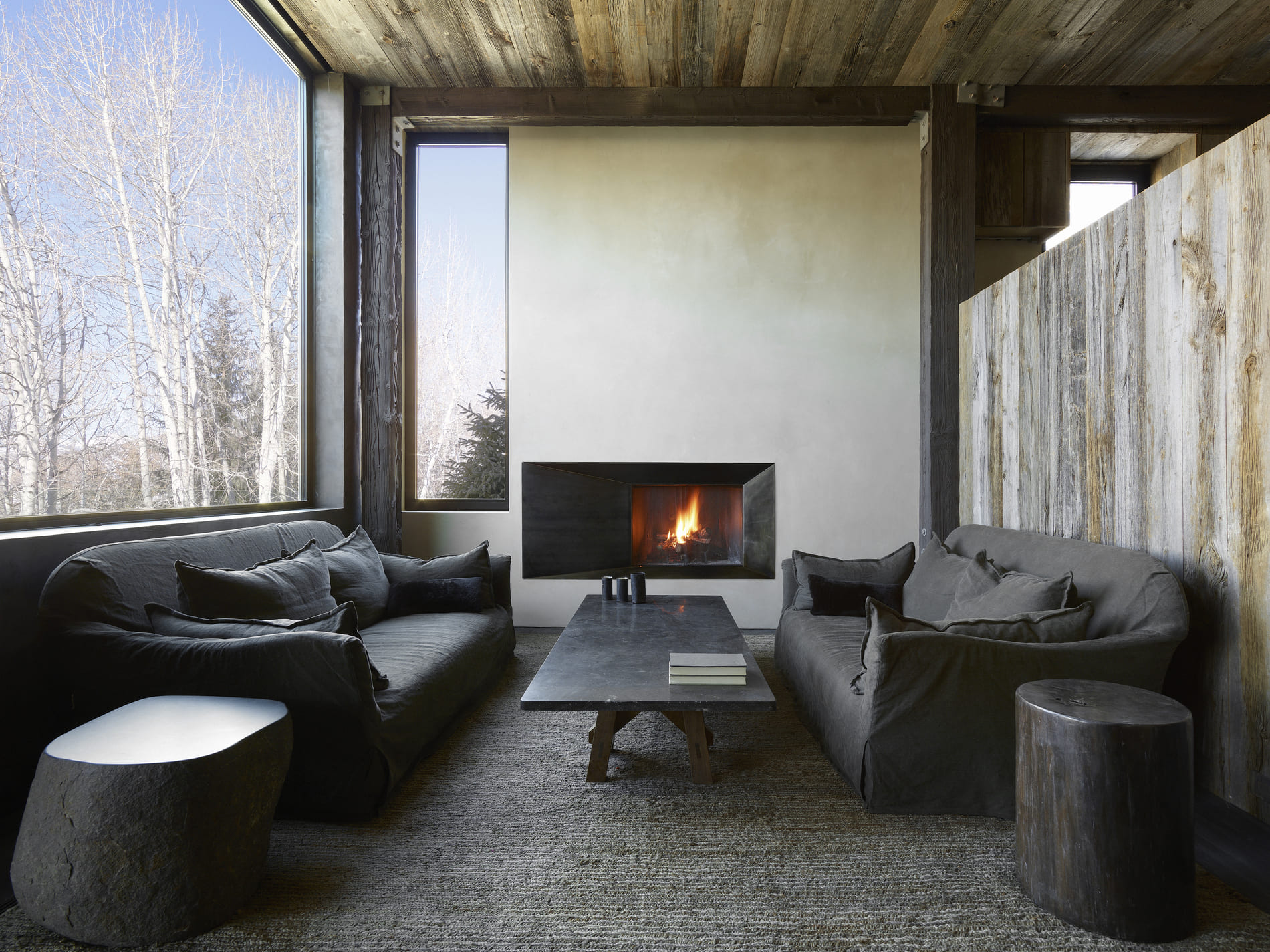
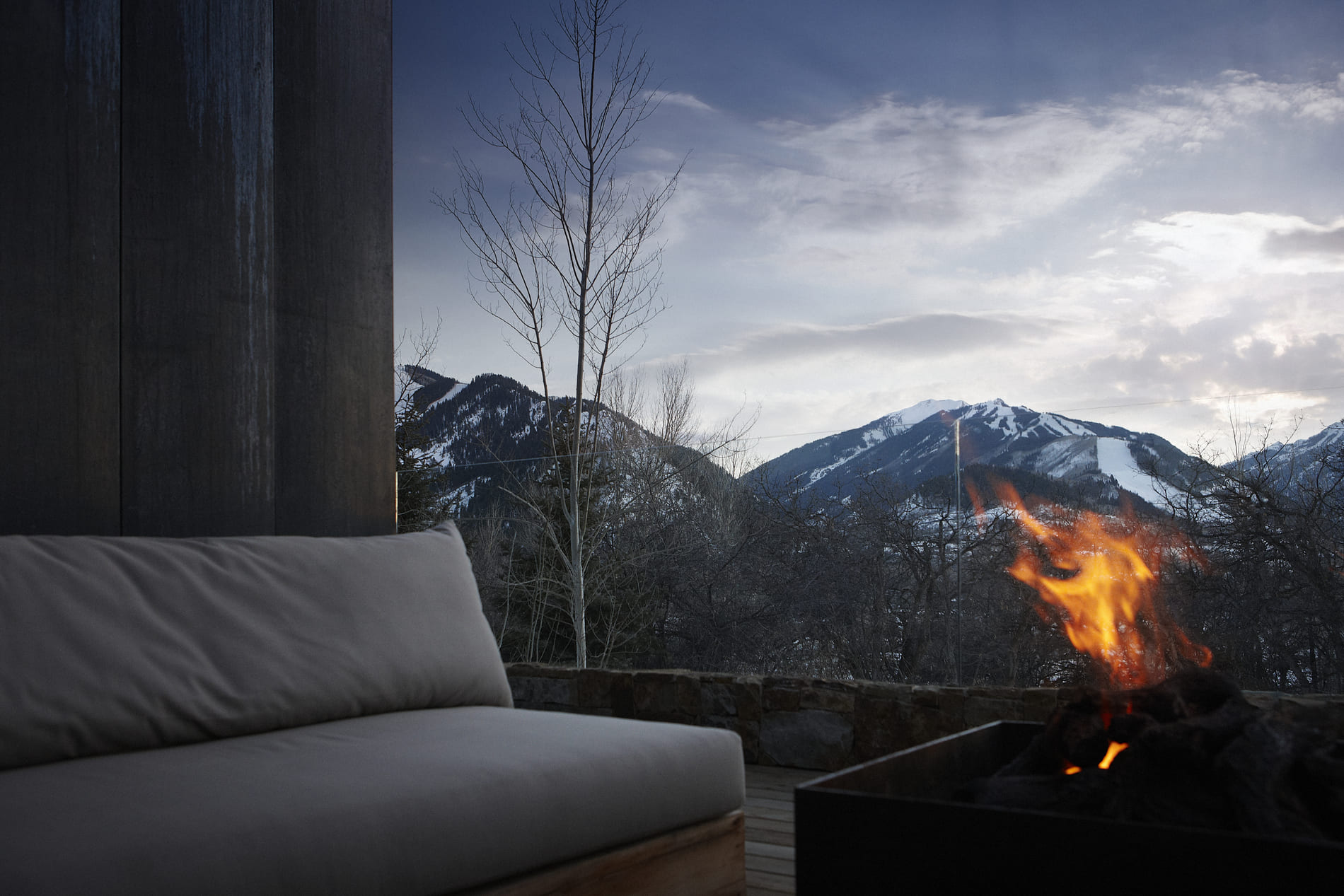
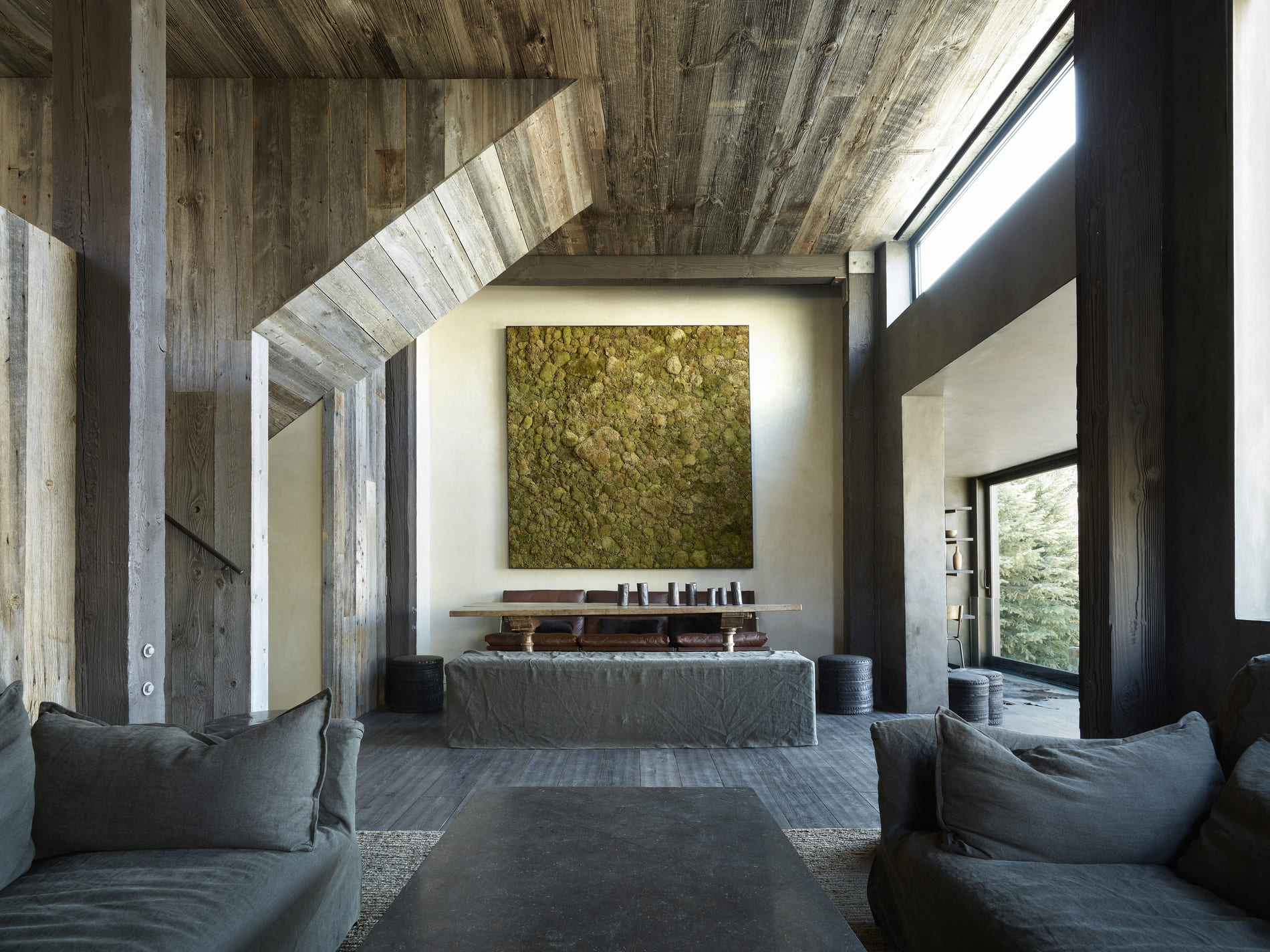
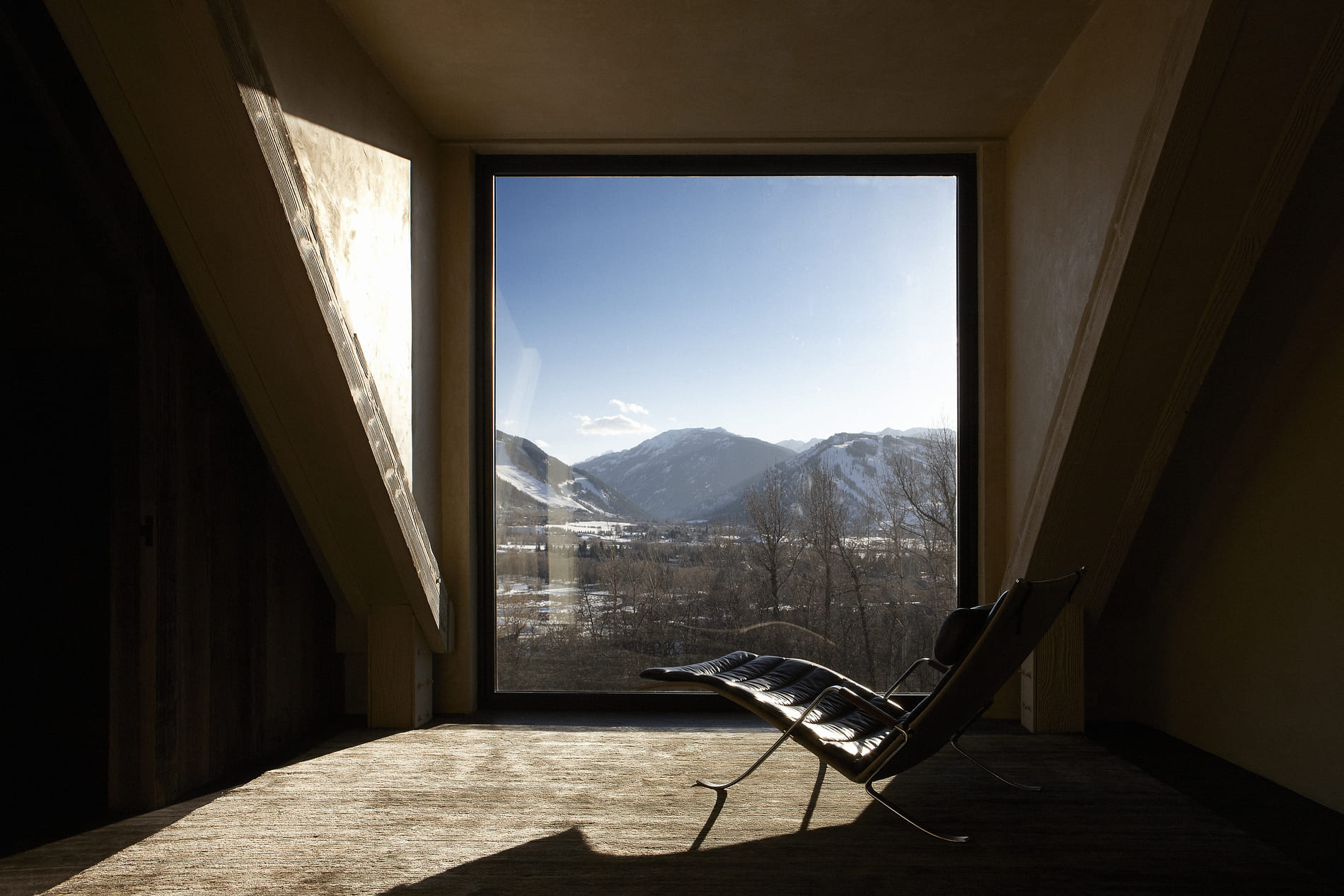
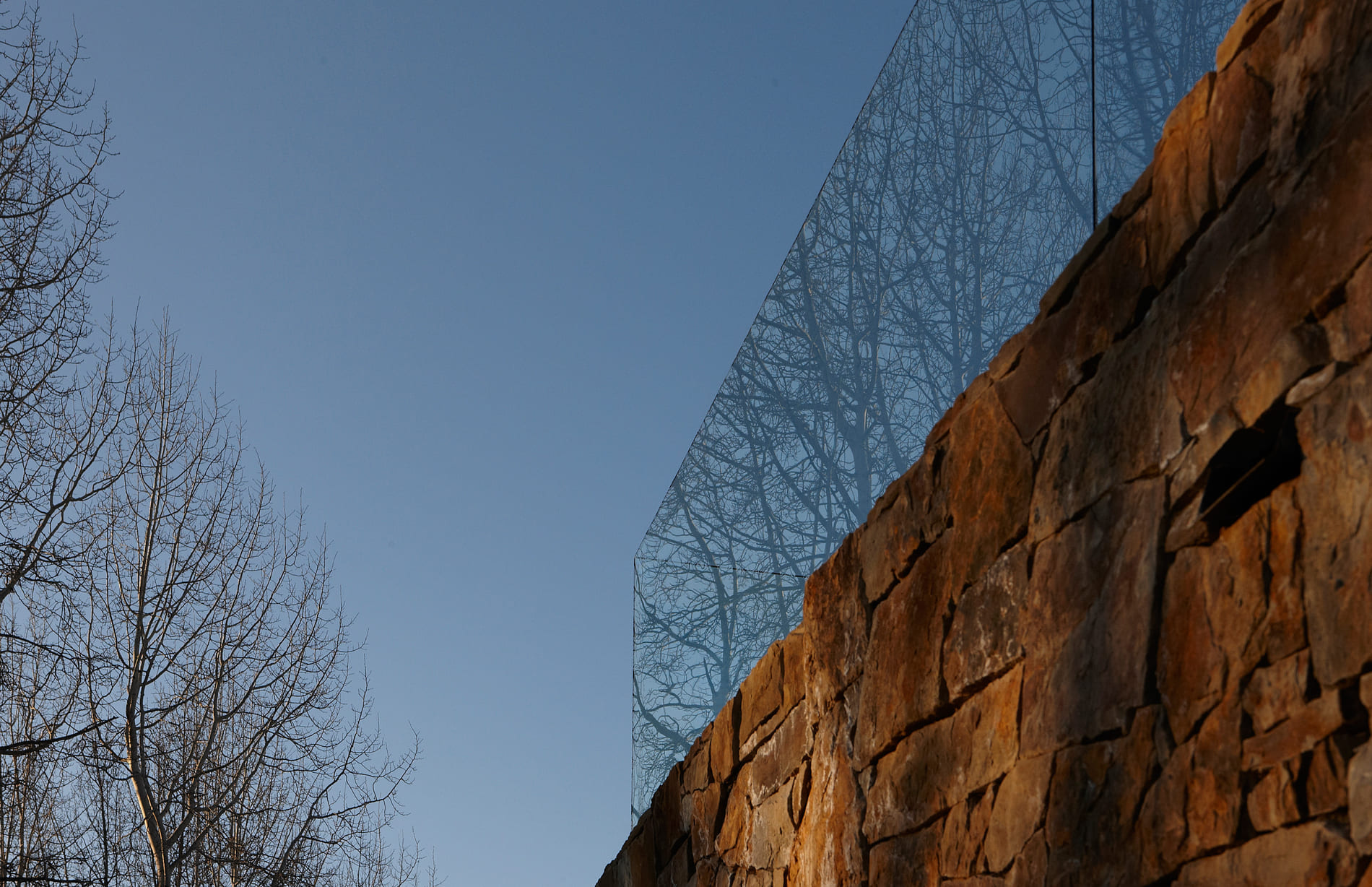
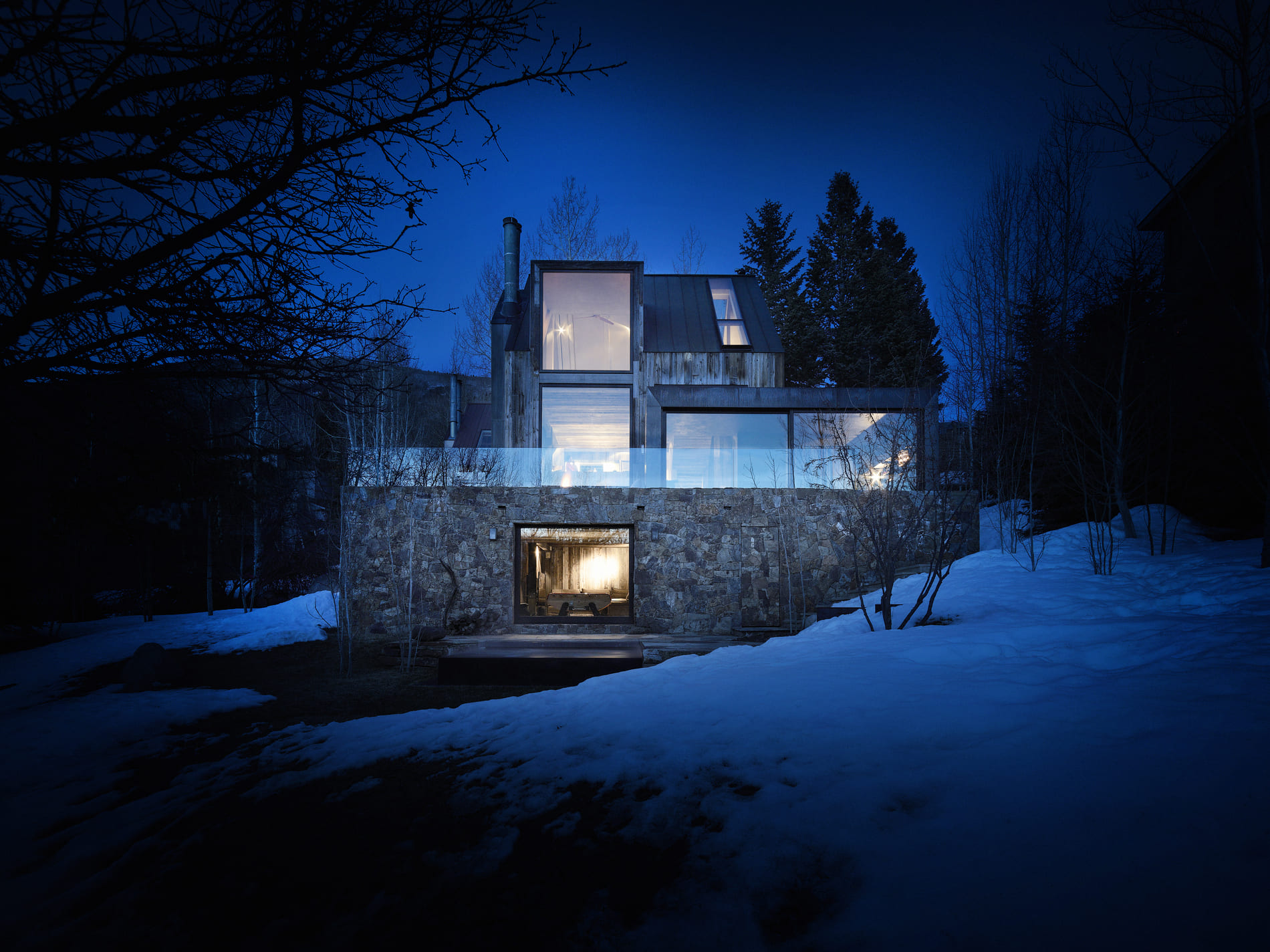
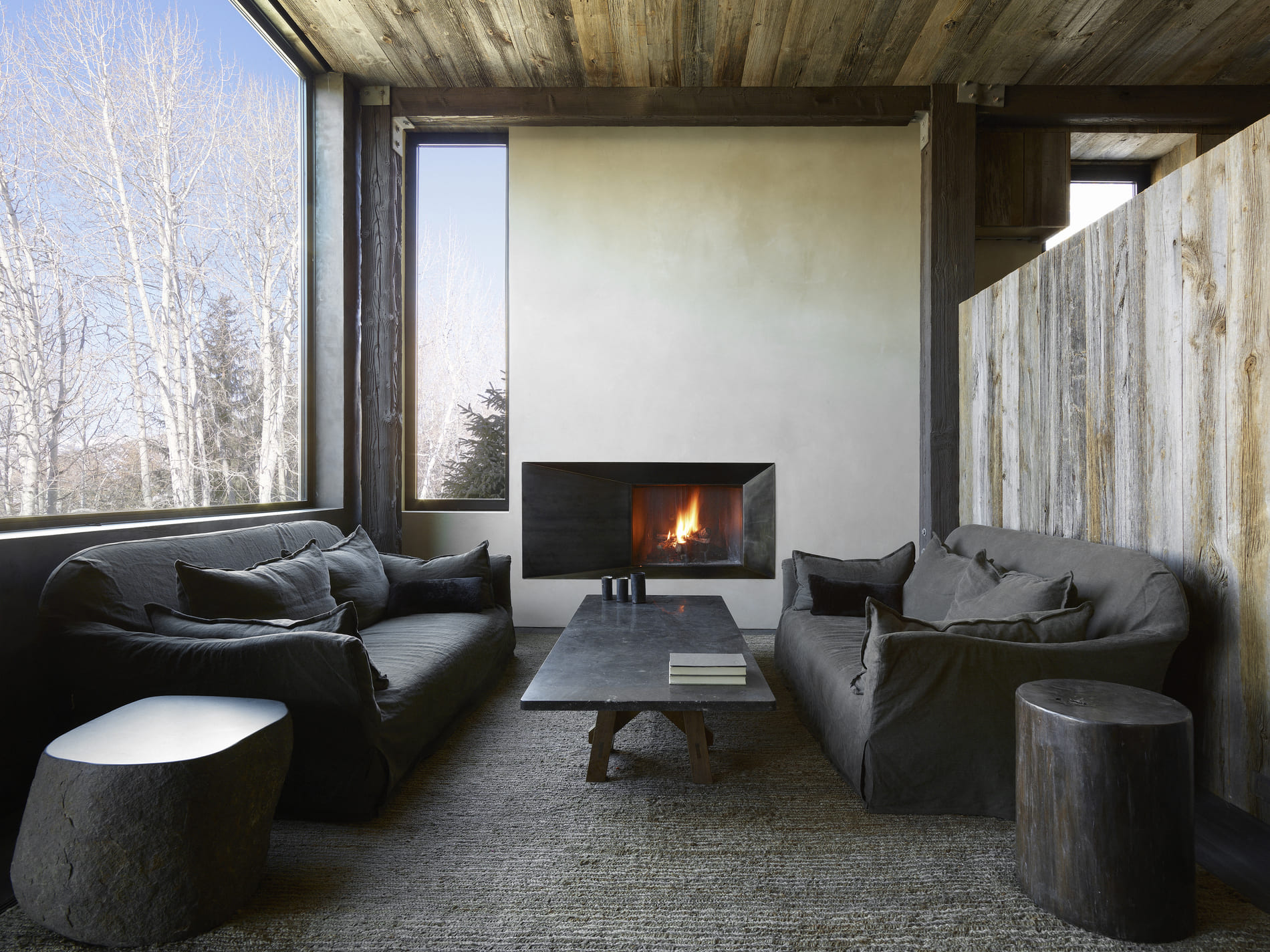
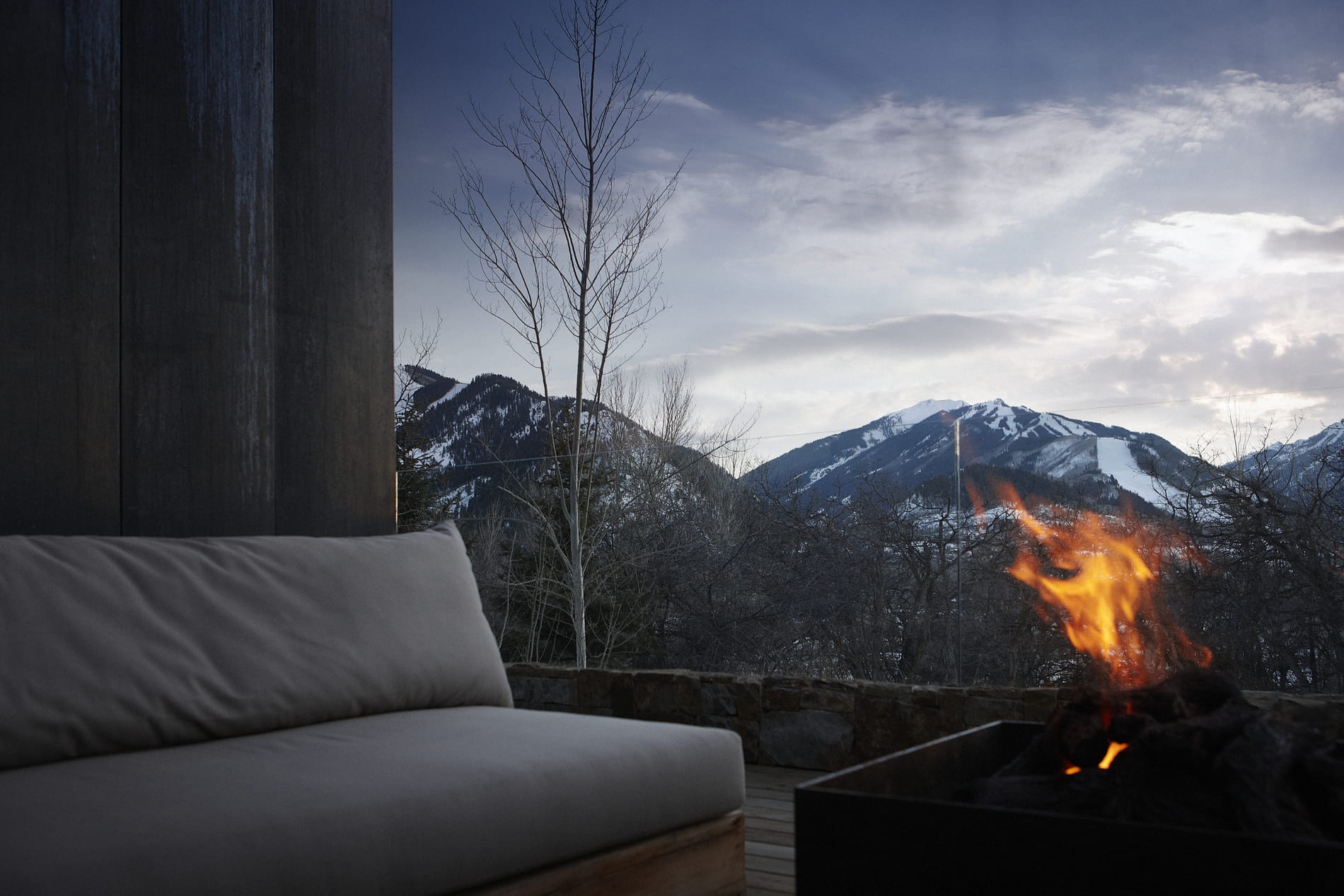
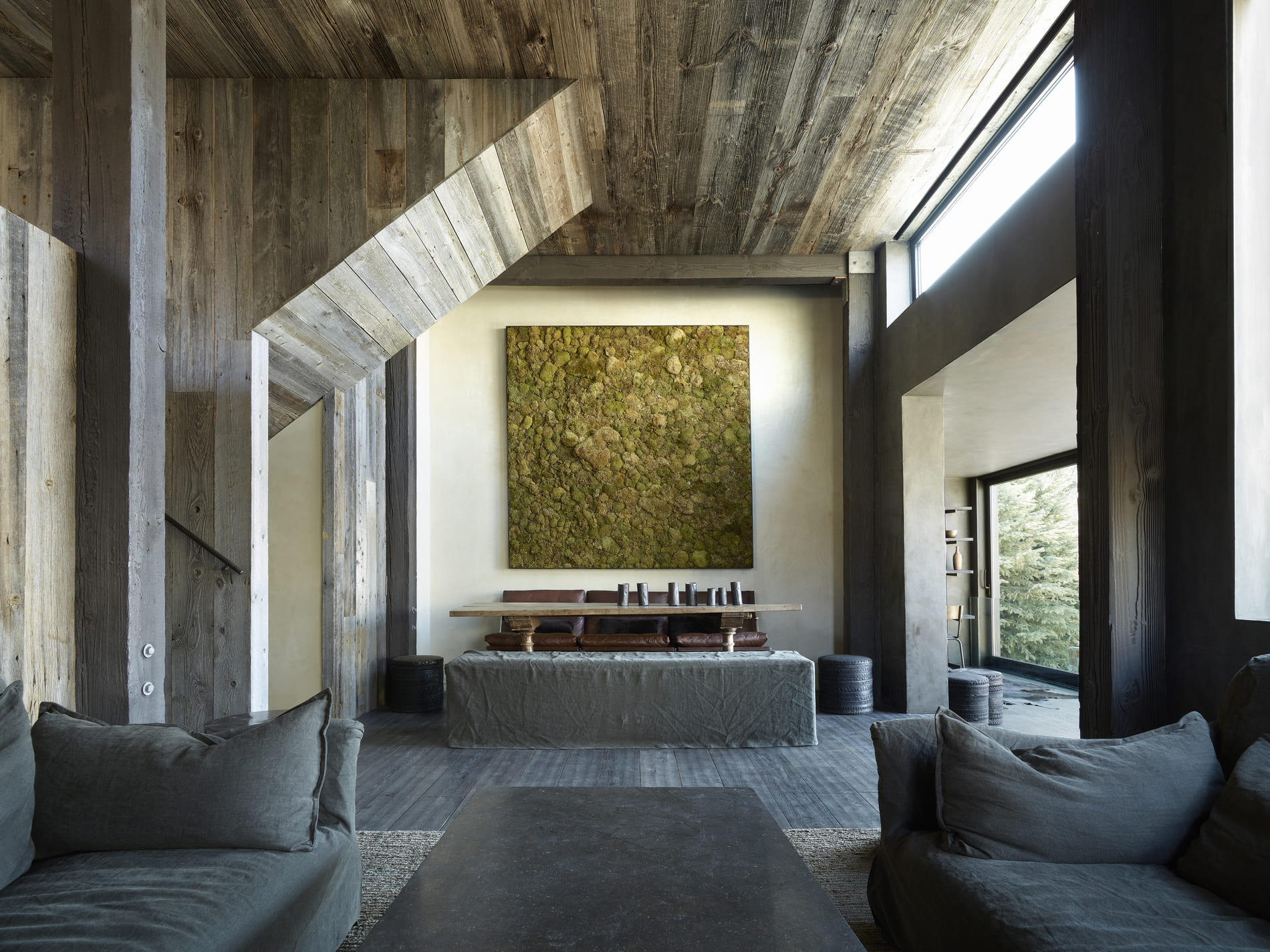
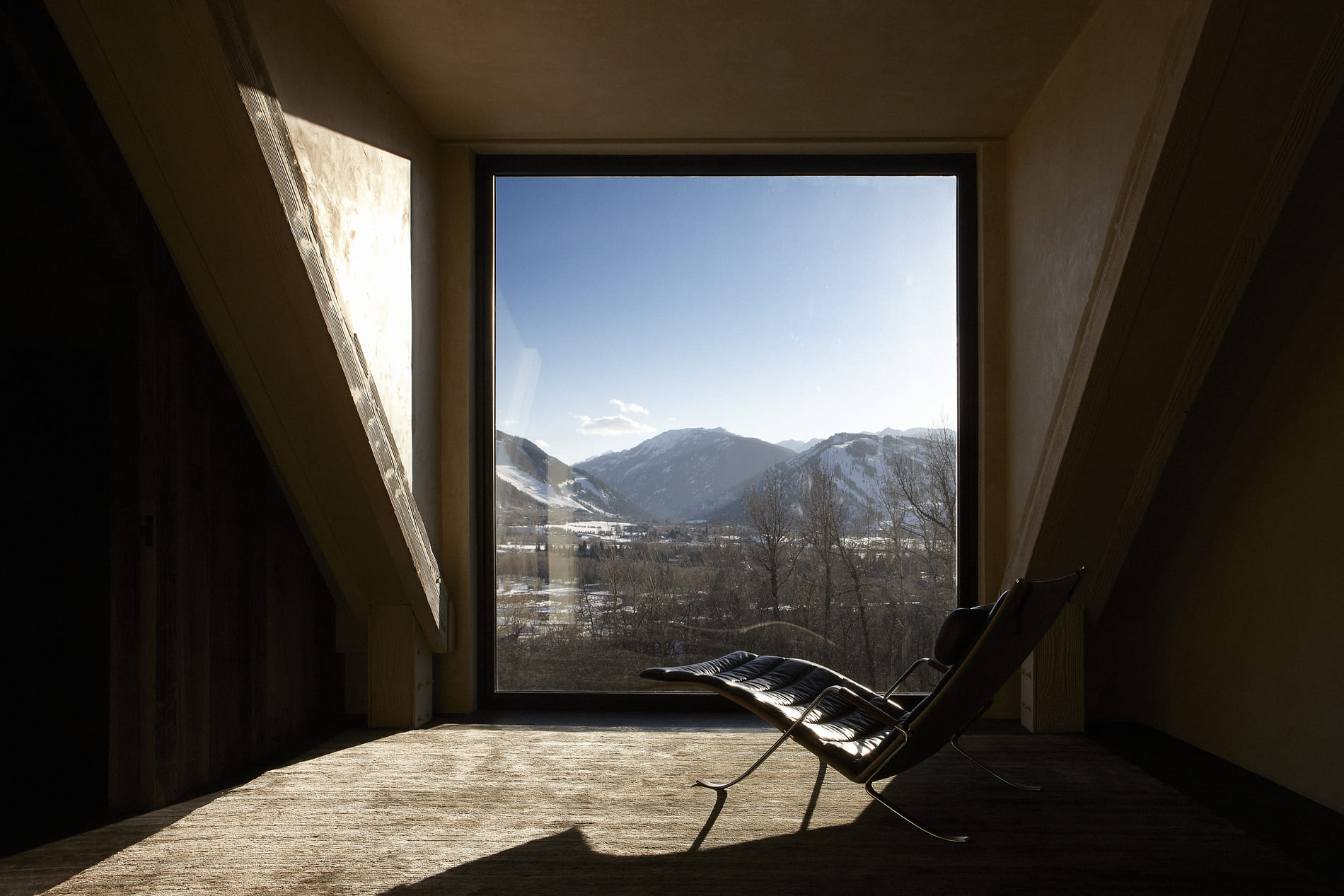
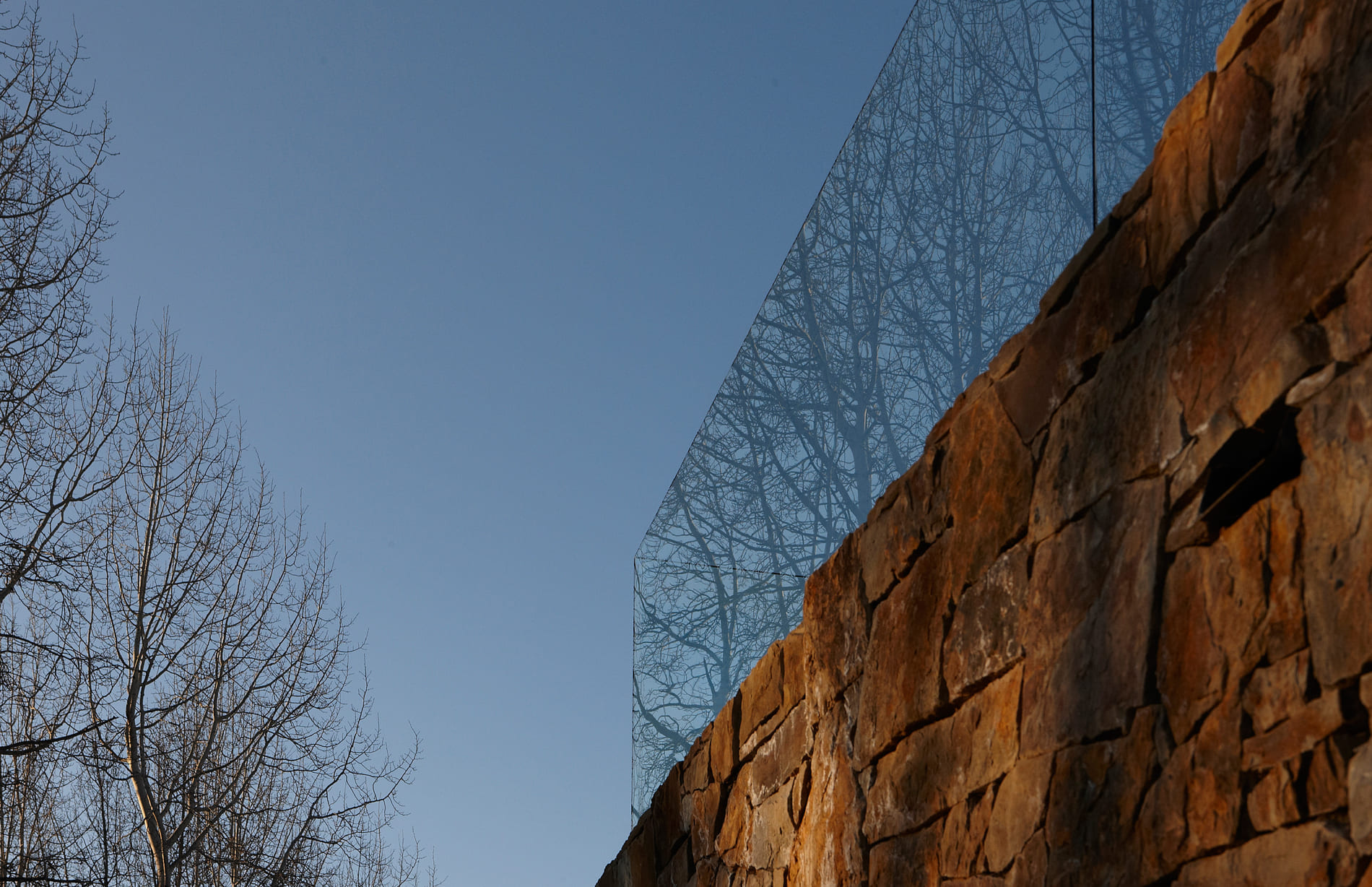
La Muna, Aspen <br /> Image copyright: @Laziz Hamani
La Muna, Aspen
Image copyright: @Laziz Hamani

Silent Monumentality: How do you achieve presence and drama through silence and restraint, in an age obsessed with spectacle?

When we designed Ayla, a clubhouse on the Red Sea in Jordan, the client asked for something “iconic.” For us, spectacle is the opposite of what we aim for. It’s about ego, not experience. We approach projects with humility, letting architecture celebrate the beauty of the place rather than dominate it.

We use local materials, minimize environmental impact, and let the landscape guide the design. At Ayla, the sand dunes inspired vaulted forms, mixing sand with cement to echo the surrounding geology. The result is a space that can disappear into its environment, yet feel monumental – not through size or flash, but through proportion, material, and atmosphere. The building becomes an inhabitable landscape rather than a conventional structure.

Silent monumentality comes from creating comfort, calmness, and equilibrium. Thoughtful scale, natural ventilation, filtered sunlight, and carefully composed spaces foster a feeling of quiet power. Visitors experience drama through the senses – through light, shadow, breeze, and connection to the land – without spectacle or distraction.

This approach also reconnects us with nature and each other. In a world of constant connectivity and digital noise, architecture can redirect attention to natural rhythms and create moments of physical and emotional engagement. Silence, restraint, and respect for place produce a presence that resonates deeply, proving that monumental architecture doesn’t need to shout; it can speak quietly, powerfully, and memorably.

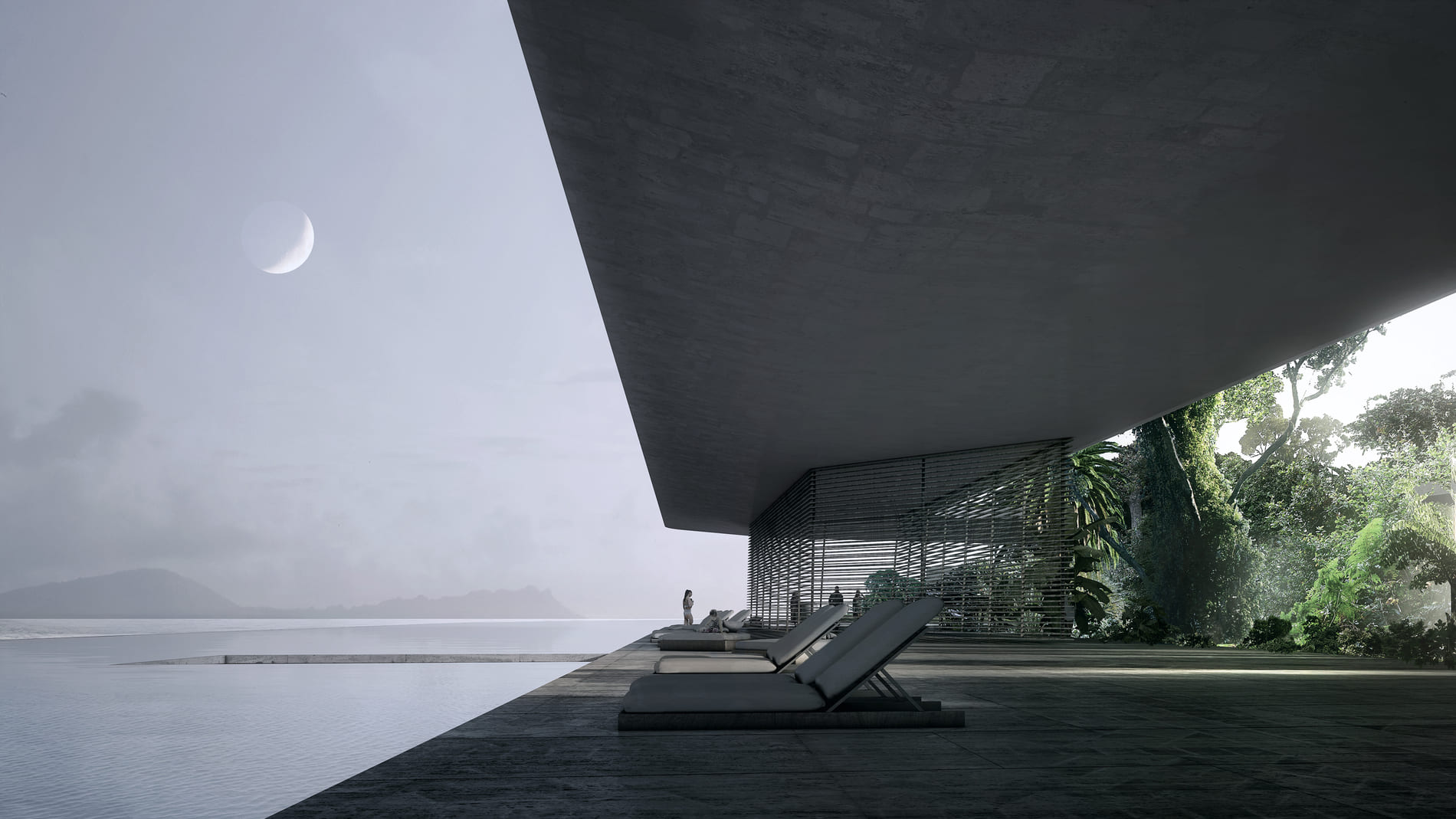
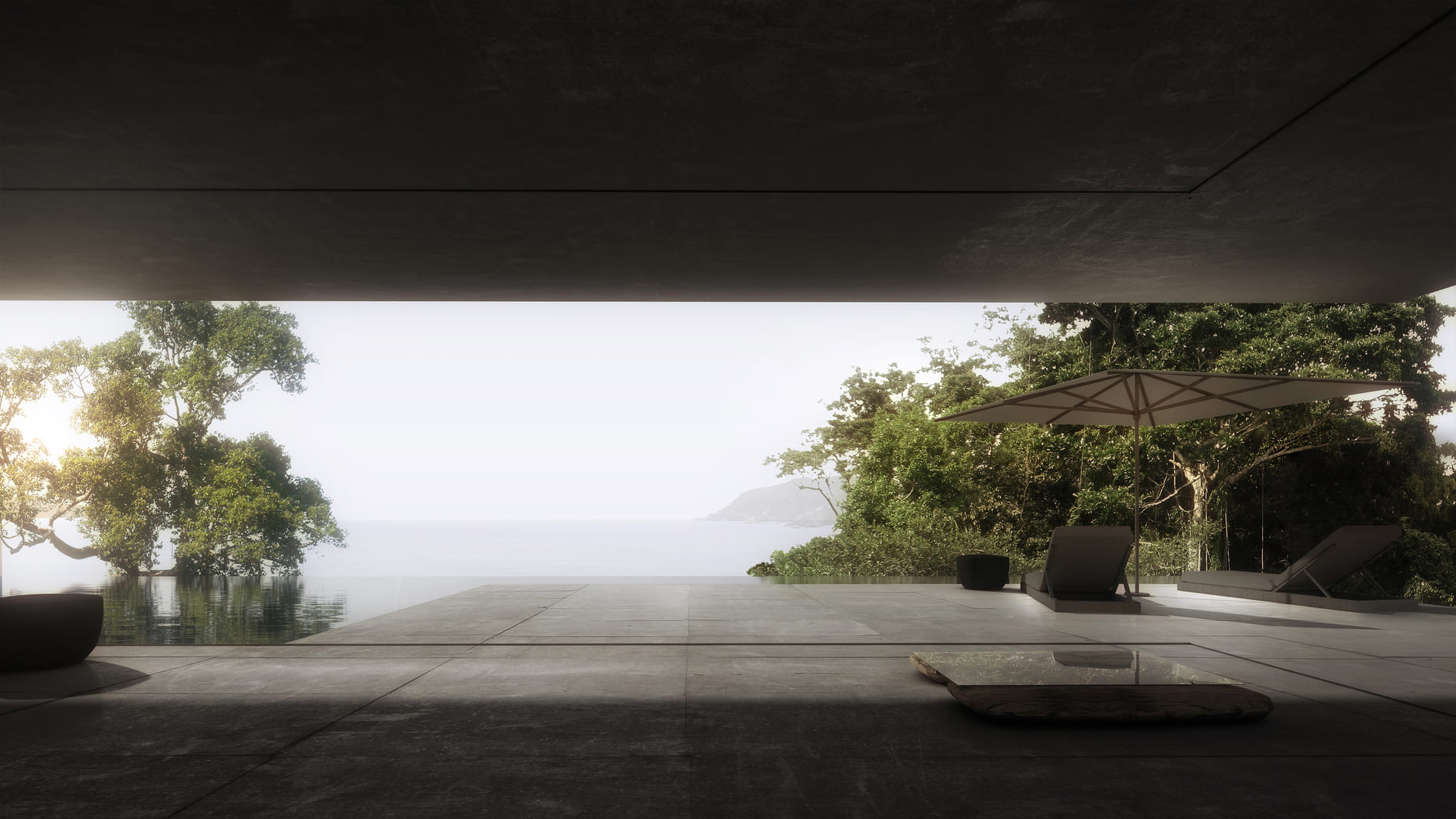
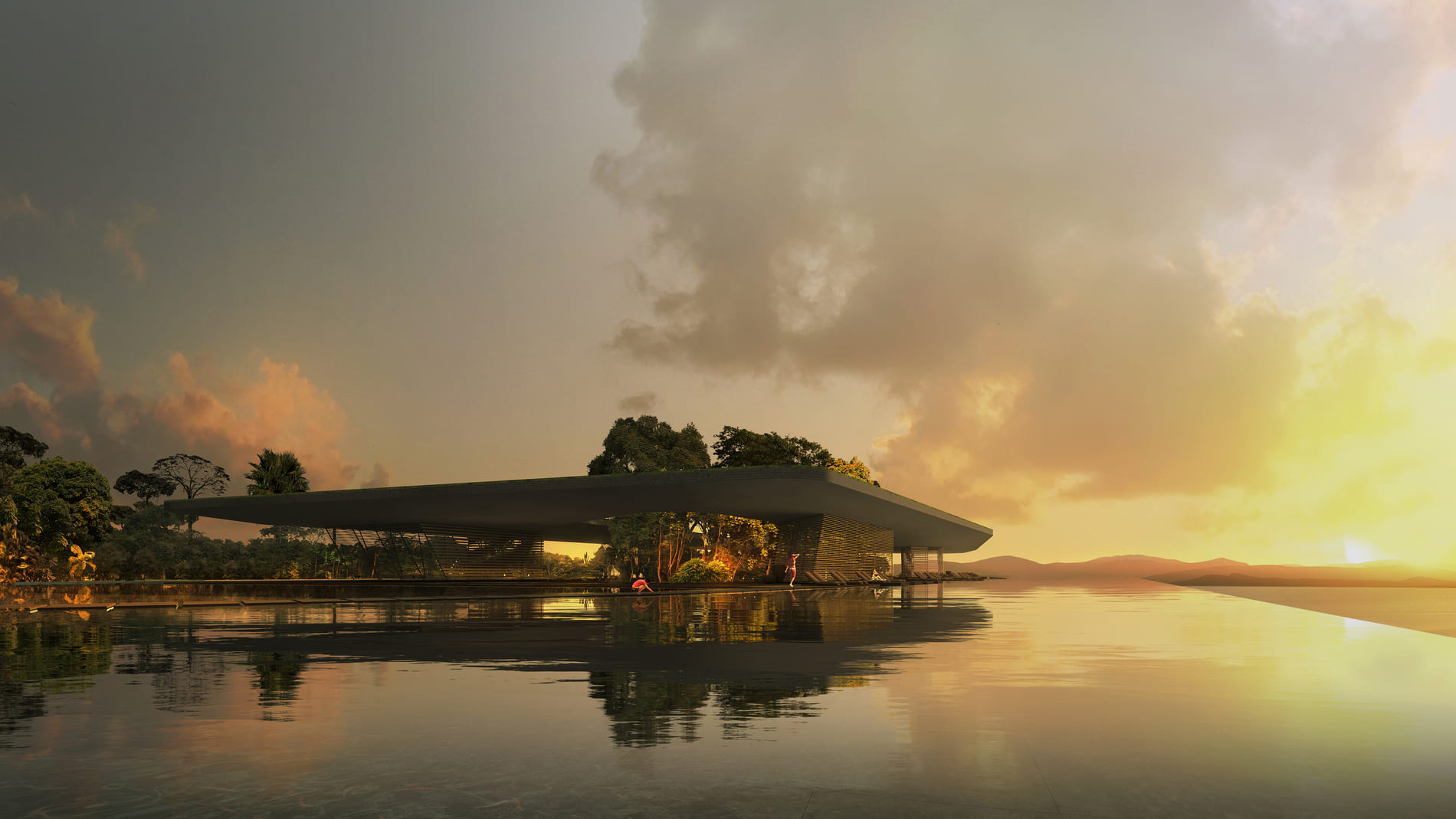
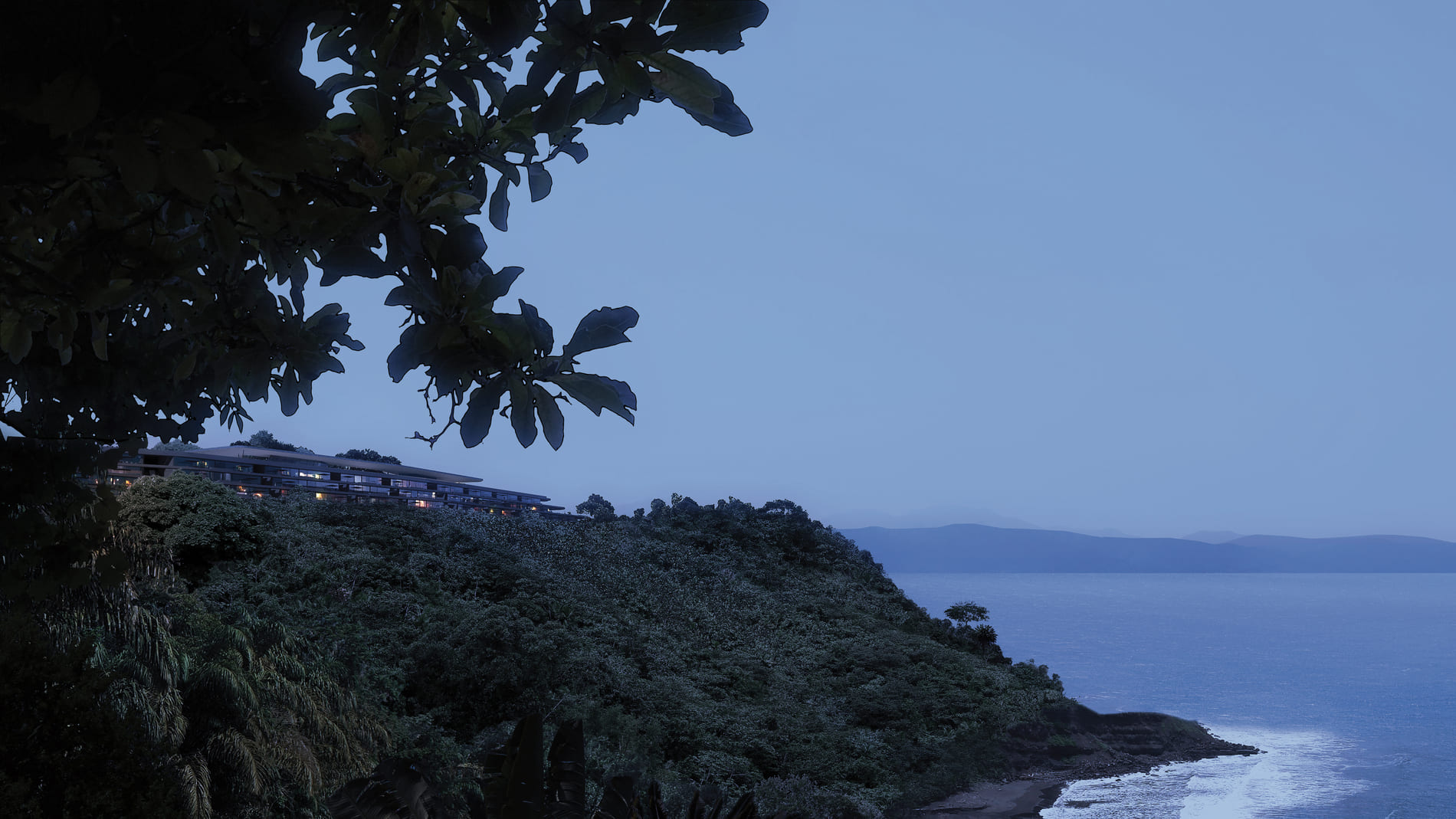
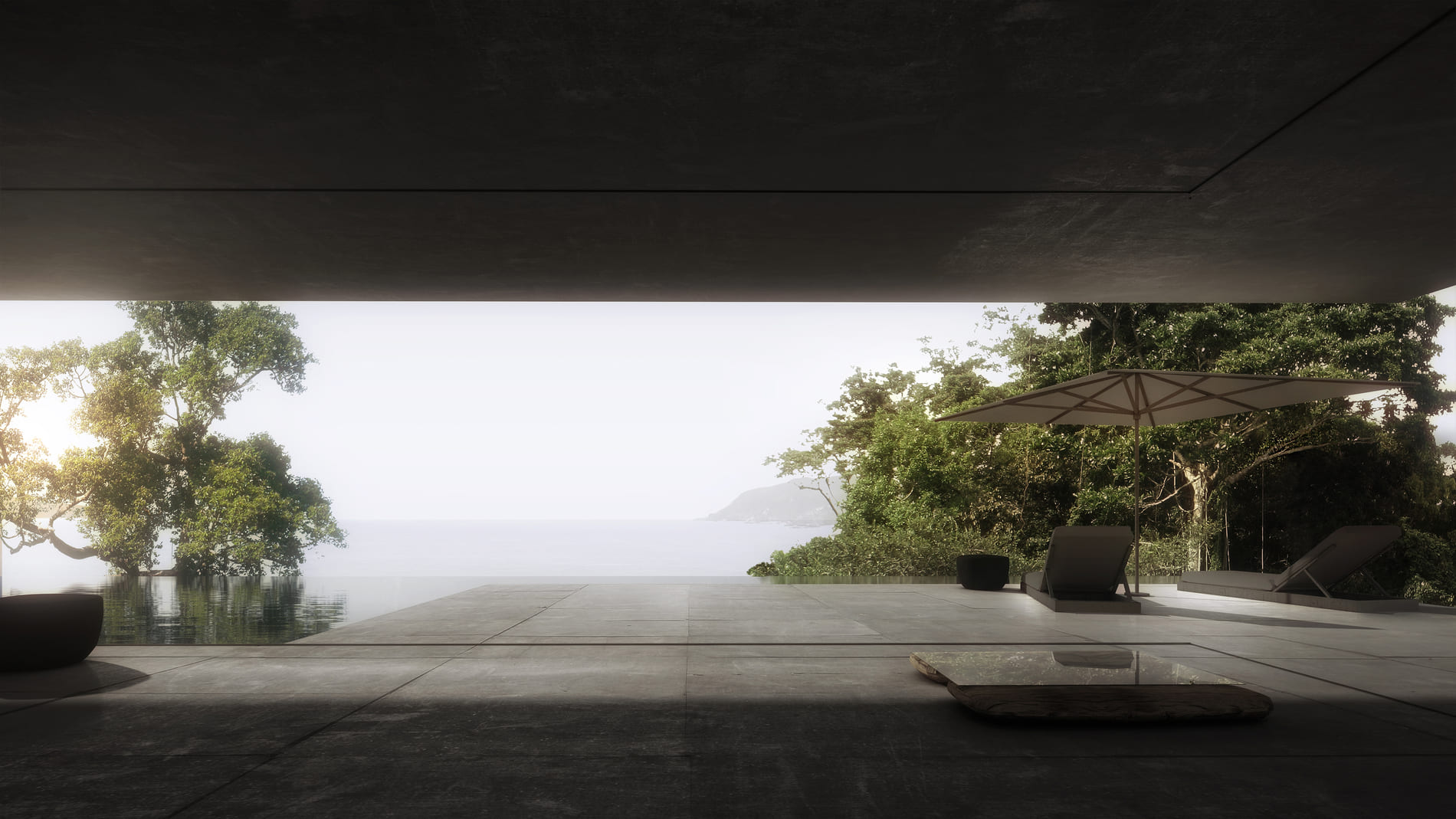
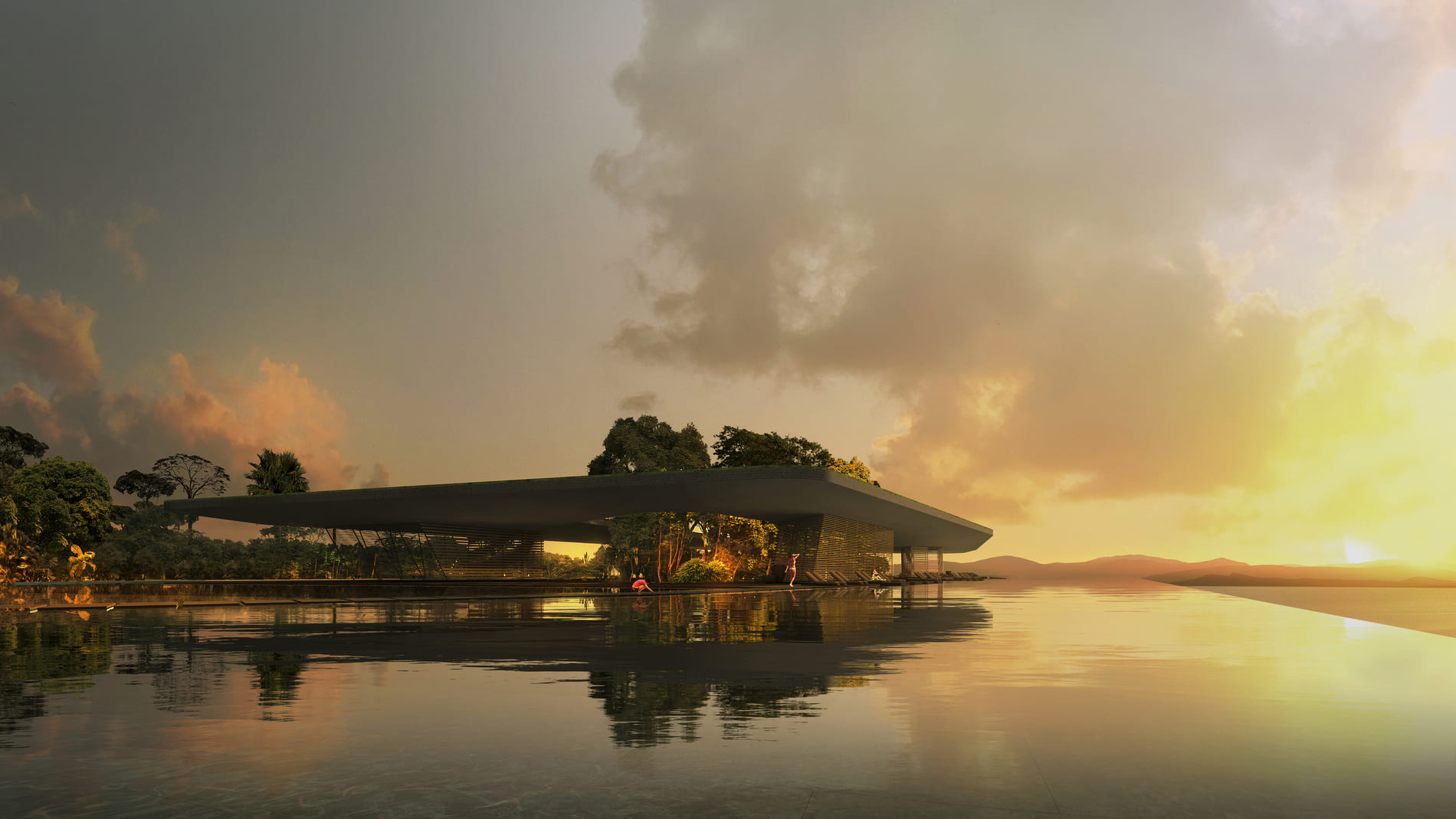
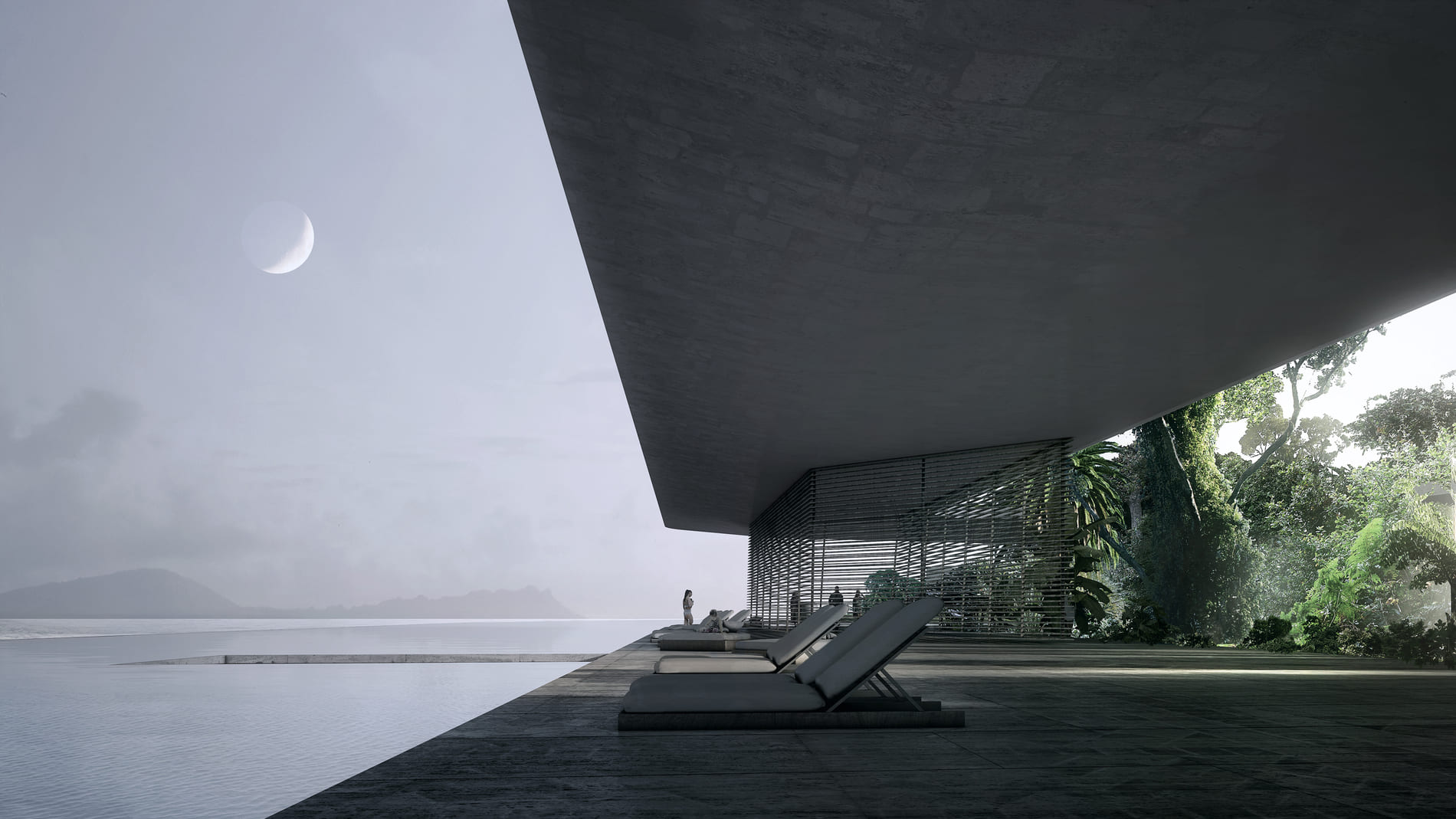
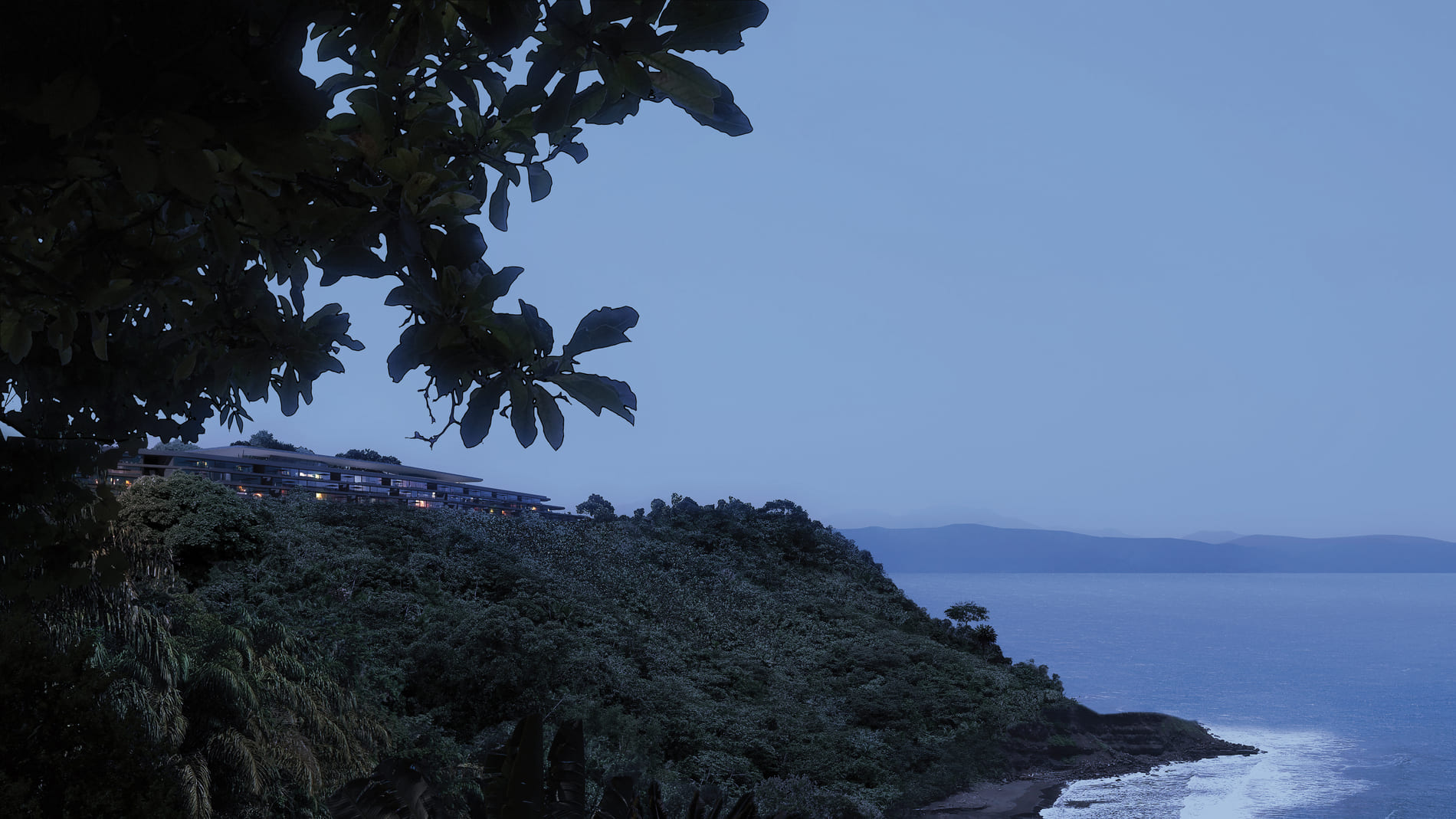
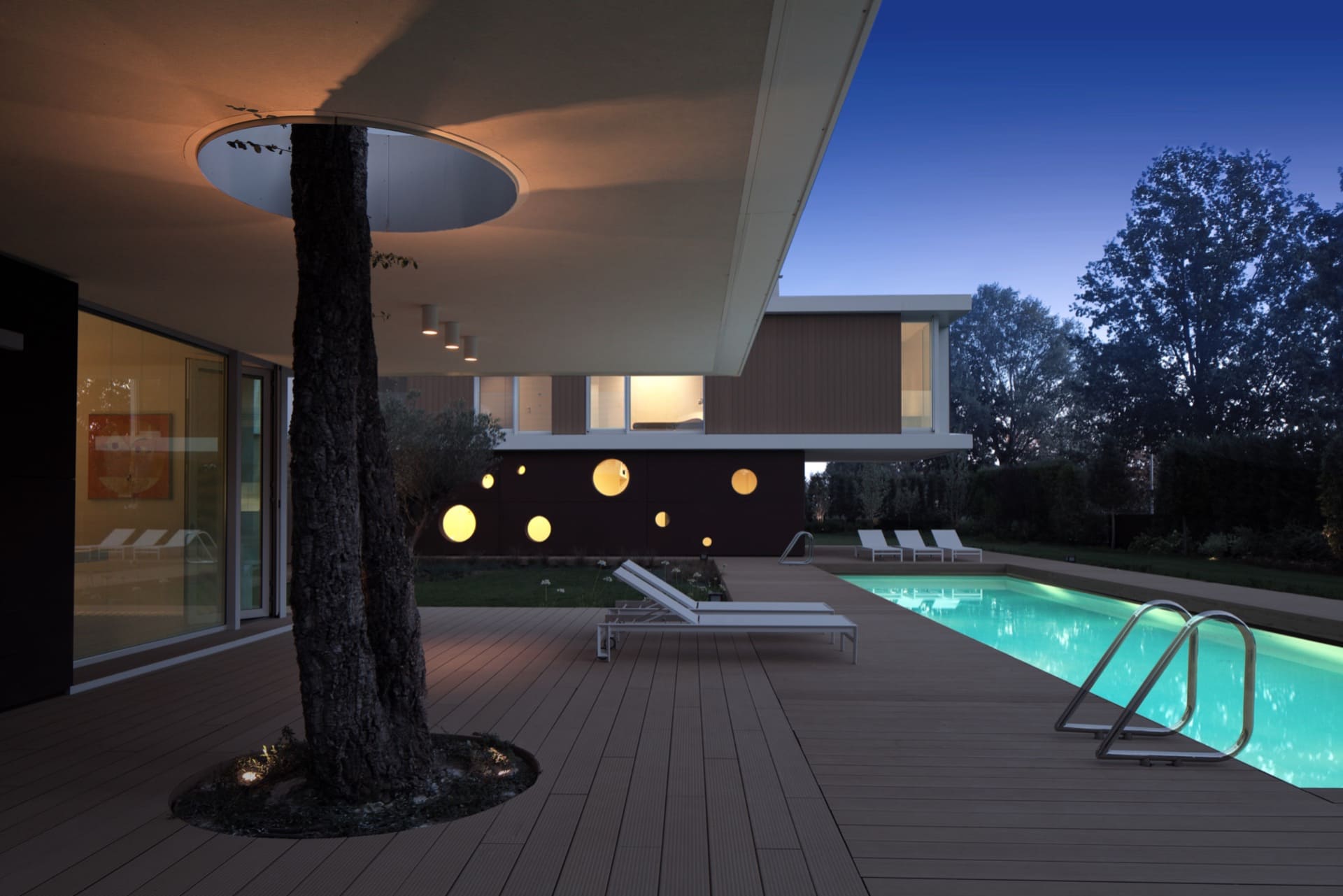
San Silencio, Costa Rica <br /> Image copyright: @Luxigon
San Silencio, Costa Rica
Image copyright: @Luxigon

Global, yet Local: Oppenheim Architecture operates across six continents. How do you ensure that your global reach doesn’t dilute the local essence of your projects? What strategies help your teams in Miami, Basel, and Tirana maintain a shared philosophy while responding authentically to different cultures and landscapes?

I grew up in New Jersey, which isn’t always seen as inspiring, but I’ve always traveled with a sponge-like curiosity, absorbing everything. For us, every project is like a love letter to a place. We arrive with fresh eyes, asking not what has been done, but what could be.

We study the geology, the local civilization, the flora and fauna – everything that defines a site. Like an investigative process, we learn from the past without replicating it. We look at materials, environmental strategies, and human comfort, seeking ways to create architecture that is sensitive, contextual, and timeless. It’s about uncovering a place’s truth, not imposing a style.

Our global offices – from Miami to Basel to Tirana – share the same philosophy: a method of inquiry rather than a signature look. Each team approaches the site with humility, translating local conditions, culture, and climate into something unique. The goal is always the most sensible project for the client, informed by the environment and by local history, rather than a repeatable “Oppenheim” template.

Take again Desert Rock and Shebara in Saudi Arabia. The Crown Prince asked for something unseen before. It had to be spectacular and iconic. We started elsewhere: invisible, sensitive, attuned to landscape and climate. The projects ultimately fulfilled the brief while remaining connected to the place. They became celebrated landmarks, but not through ego – they emerged from a process of listening and responding to local conditions.

Across continents, our approach recalibrates architecture: globally informed, locally rooted, and always focused on the balance between human needs, environmental respect, and emotional experience. It’s not about replicating a style. It’s about translating philosophy into context, wherever we build.

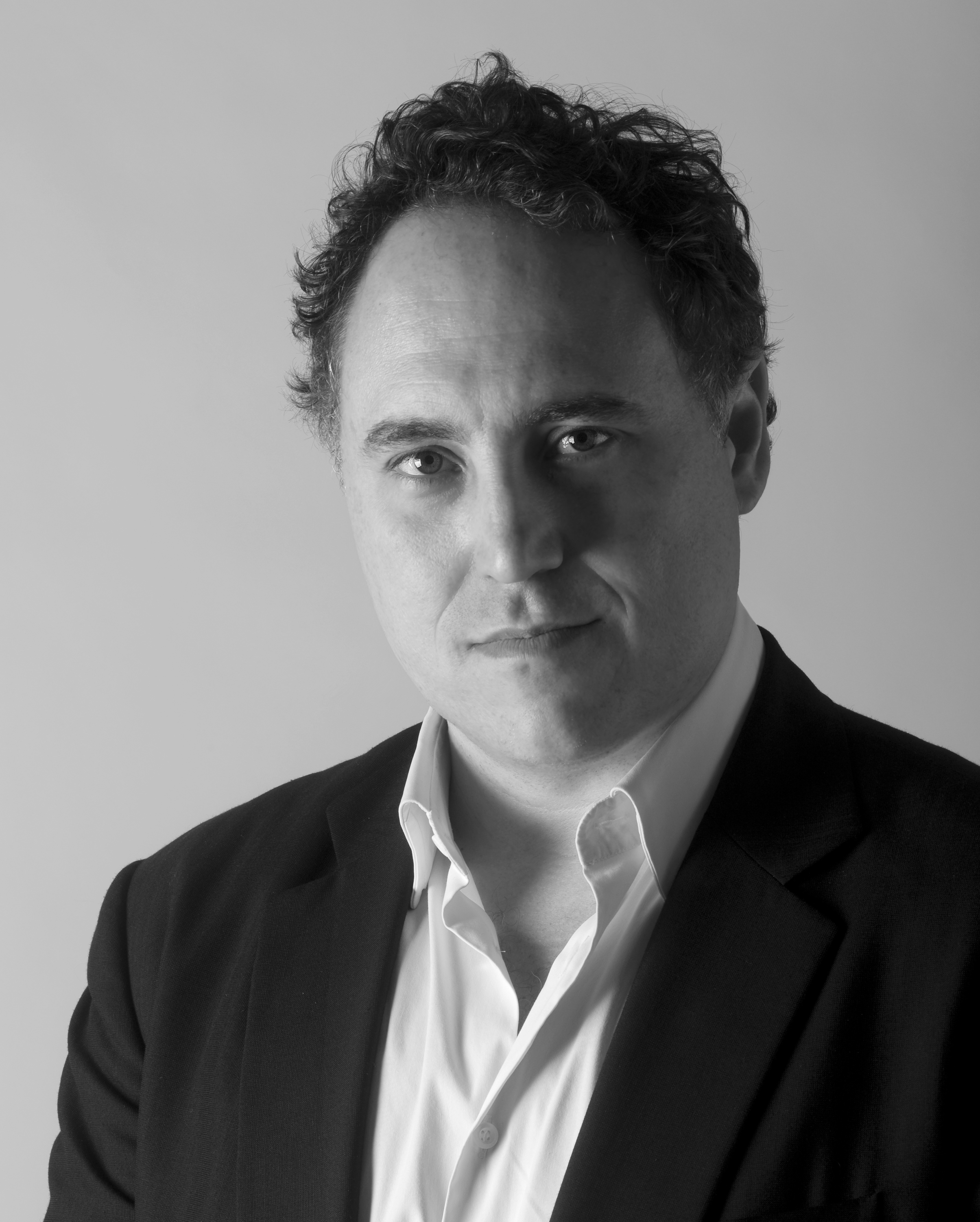
Chad Oppenheim <br/> Founding Principal Oppenheim Architecture
Chad Oppenheim
Founding Principal Oppenheim Architecture
Magazine Design Courier

Get Design Courier straight to your inbox

The community magazine for the community
Powered by Medelhan - The Global Design Network

The community magazine for the community
Powered by Medelhan - The Global Design Network
© Design Courier. Powered by Medelhan. Developed by Broadweb.80
The community magazine for the community
Powered by Medelhan - The Global Design Network
The community magazine for the community
Powered by Medelhan - The Global Design Network

Get Design Courier straight to your inbox

© Design Courier. Powered by Medelhan. Developed by Broadweb.80