

The community magazine for the community
Powered by 
The community magazine for the community
Powered by
© Design Courier. Powered by Medelhan. Developed by Broadweb.80
| CANVAS OF PLANS & DRAWINGS |
INTERIOR & DÉCOR, but with a twist |
| HOTELS & RESTAURANTS, beyond mainstream |
Notes on ART |
| Into big AFFAIRS | INSIDERS |
| GLIMPSES | |
Keywords:
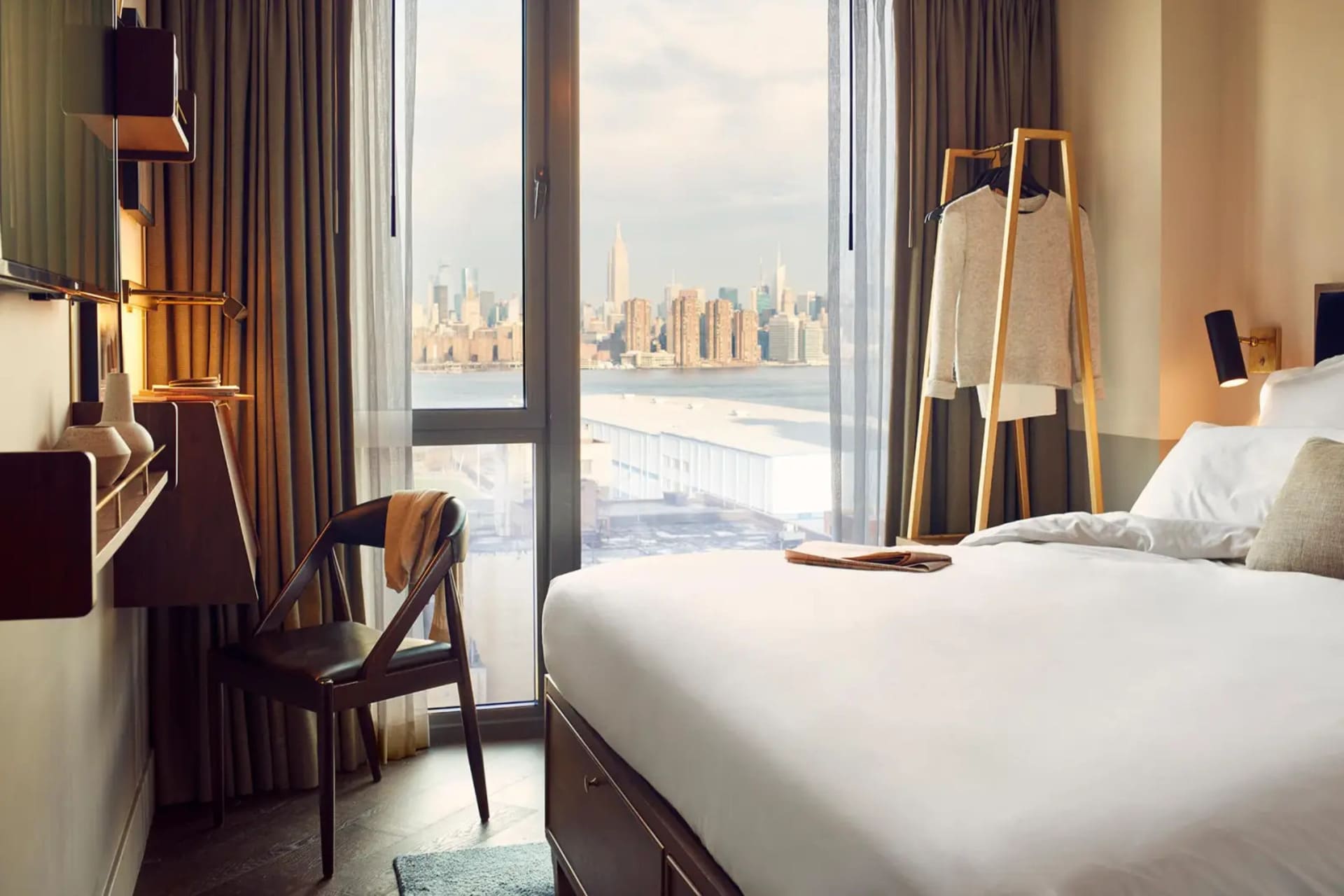
For years, family-friendly hospitality has operated on a fairly predictable formula: larger rooms, practical amenities, perhaps a kids’ club – and, often, a subtle retreat from the design language that makes a hotel worth choosing in the first place. The Hoxton is taking a different approach. Rather than turning its hotels into family resorts, the brand is asking a more interesting question: what if a design-led city hotel could simply become easier to experience with children?
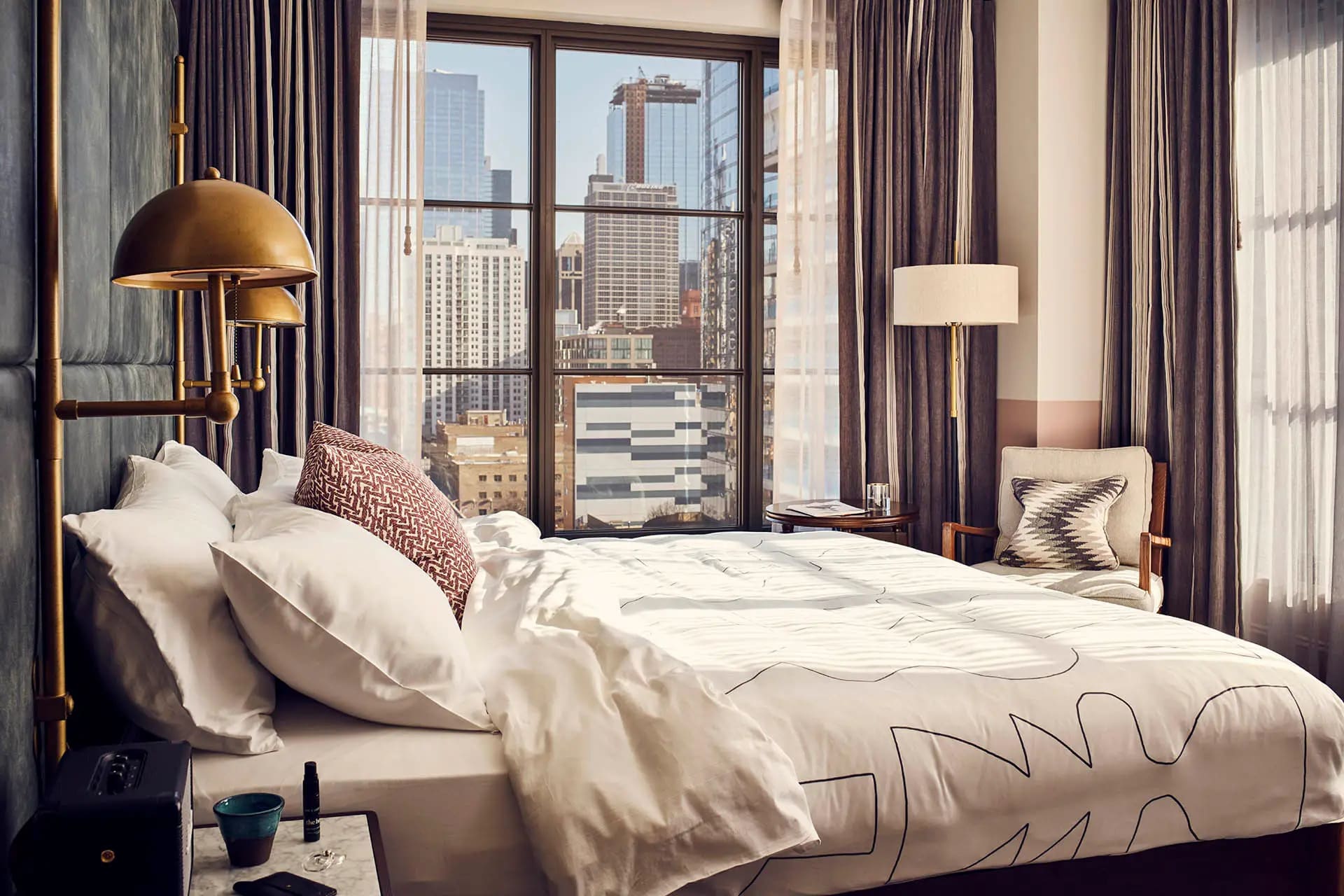
The answer is Tiny Hox, a program now available across The Hoxton’s locations, created around one deceptively simple idea: make family travel lighter. Complimentary cribs fitted with organic mattresses, Coterie diapers and wipes, bottle warmers, bathing essentials, coloring books and breakfast bags are among the practical details available to parents. Kids stay free, while pets are welcomed without additional fees, and flexible check-in and check-out options help remove some of the logistical friction that can make traveling with young children feel more complicated than it needs to be.
What makes the initiative compelling, however, is not the list of amenities itself. It is the philosophy behind them. Tiny Hox does not introduce a separate visual identity for families, nor does it attempt to isolate children within a hotel experience designed around them. Instead, it extends The Hoxton’s original proposition: hotels conceived as open houses, rooted in their neighborhoods and deliberately blurred between hotel, living room and local gathering place.
“Families have always stayed with us, so Tiny Hox came from looking at the practical parts of the journey and asking how we could make them easier,” the design team explains. “The Hoxton has always been designed to feel welcoming and lived in, and that hasn’t changed. We’ve simply added thoughtful touches that make traveling with little ones less stressful, so parents can settle in sooner and enjoy the hotel and the neighborhood from the moment they arrive.”
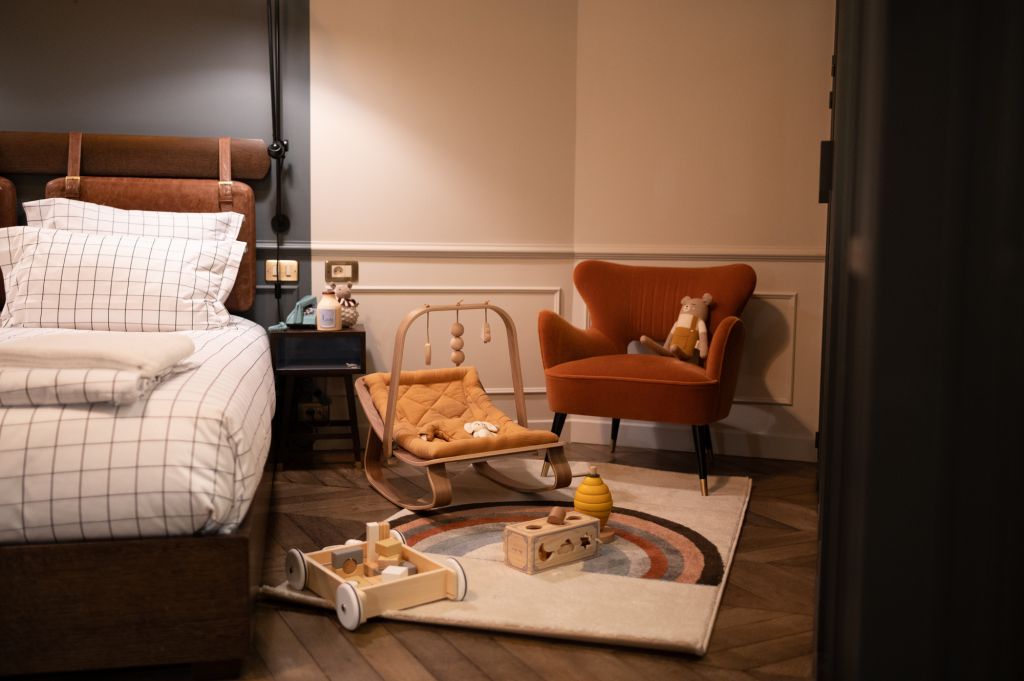
That distinction is important. The design has not been softened or redesigned to accommodate children; the experience has been reconsidered around the realities of contemporary family life.
The Hoxton’s interiors have always resisted the formality traditionally associated with hotels. Its spaces are intentionally residential in character, with layered materials, local artwork, generous communal areas and restaurants and bars that encourage guests to linger rather than simply pass through. The result is a hotel that feels less like an institution and more like a particularly well-designed extension of the city outside.
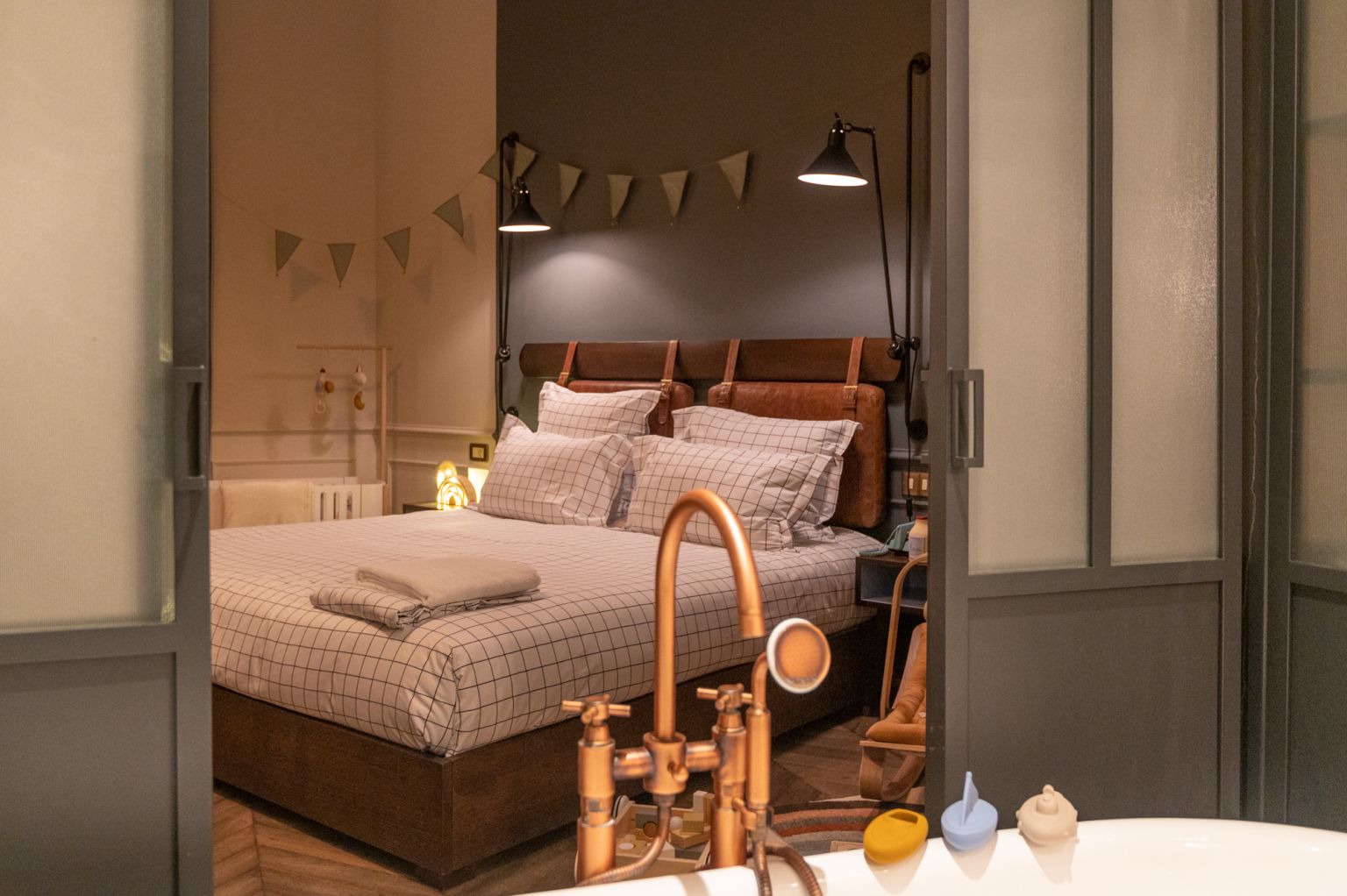
That quality becomes even more relevant when the guest is traveling with a family. A hotel lobby, for example, needs to be more than a reception area when it is conceived as an “open house.” It might become an office in the morning, a meeting place in the afternoon, a restaurant before dinner or the starting point for a family heading out into the city.
“The spaces are designed to be used however people need them,” the team says. “Someone might spend the morning working in the lobby, another guest might meet friends for dinner, while a family grabs breakfast before heading out to explore the city they’re visiting. That mix has always been part of The Hoxton.”
It is an approach that reflects a broader shift in hospitality. The contemporary traveler is less interested in rigid categories: business traveler, leisure traveler, couple, family. People increasingly move between these identities, sometimes within the same trip. A parent may need to work remotely in the morning, meet friends for dinner in the evening and spend the following day exploring a neighborhood with their children. The hotel therefore has to accommodate different rhythms without making any one of them feel like an exception.
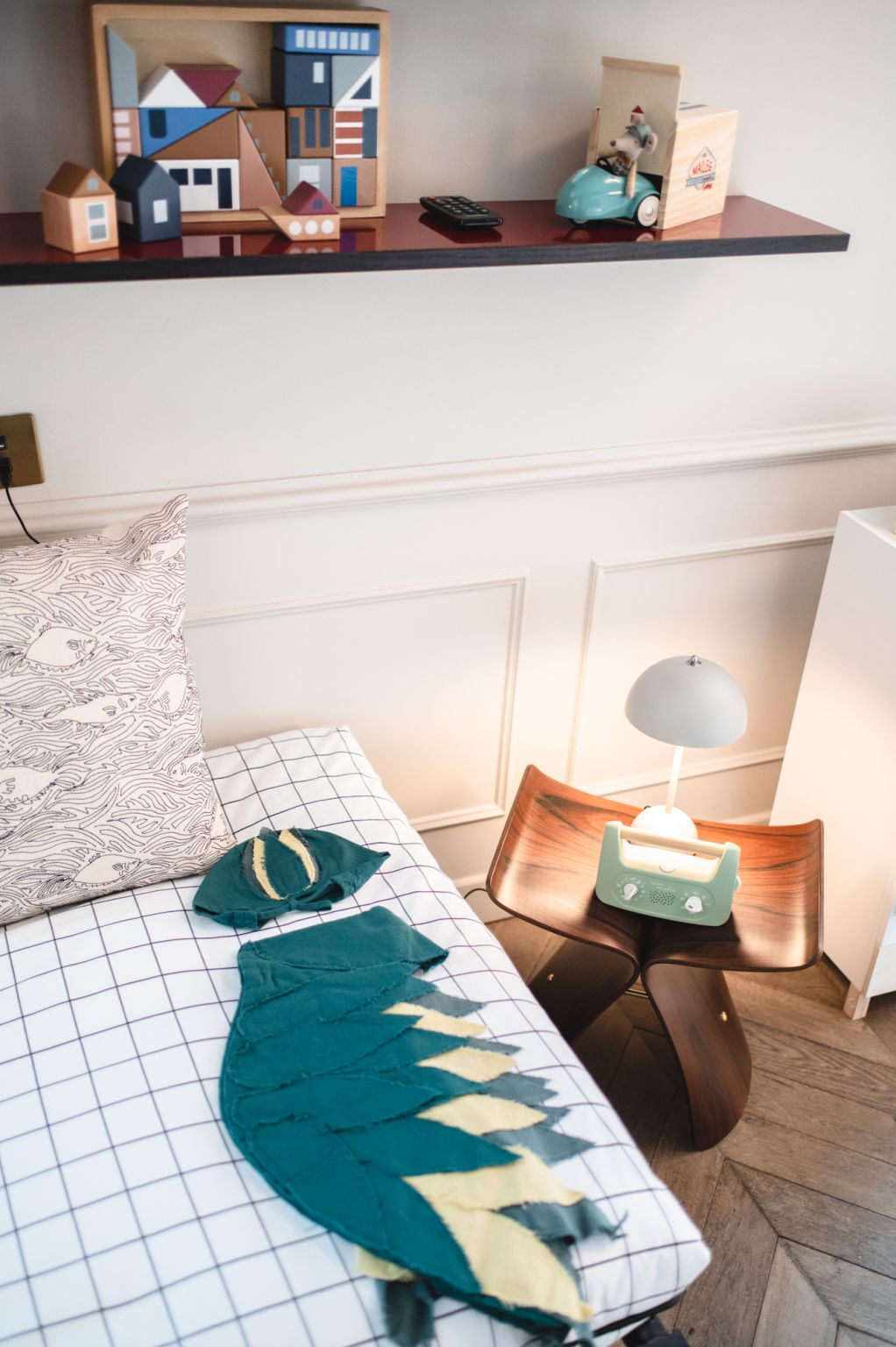
The Hoxton’s answer is spatial rather than programmatic. Instead of creating visibly segregated “family zones,” it creates environments that can adapt to different users. The design is social without being prescriptive, comfortable without becoming anonymous, and polished without losing the imperfections and spontaneity associated with a lived-in home.
“We’re seeing more families embrace city travel without wanting to compromise the design-led hotel experience they loved before having kids,” the designers note. “Tiny Hox is about making that possible without changing what makes The Hoxton feel like The Hoxton.”
That idea extends to the brand’s longstanding relationship with place. Every Hoxton begins with its neighborhood: the artwork, food and drink, interiors and programming are shaped by the character of the surrounding city. Rather than encouraging guests to remain inside a self-contained hotel ecosystem, the design is intended to send them back outside – to the streets, restaurants, galleries and cultural spaces that define the destination.
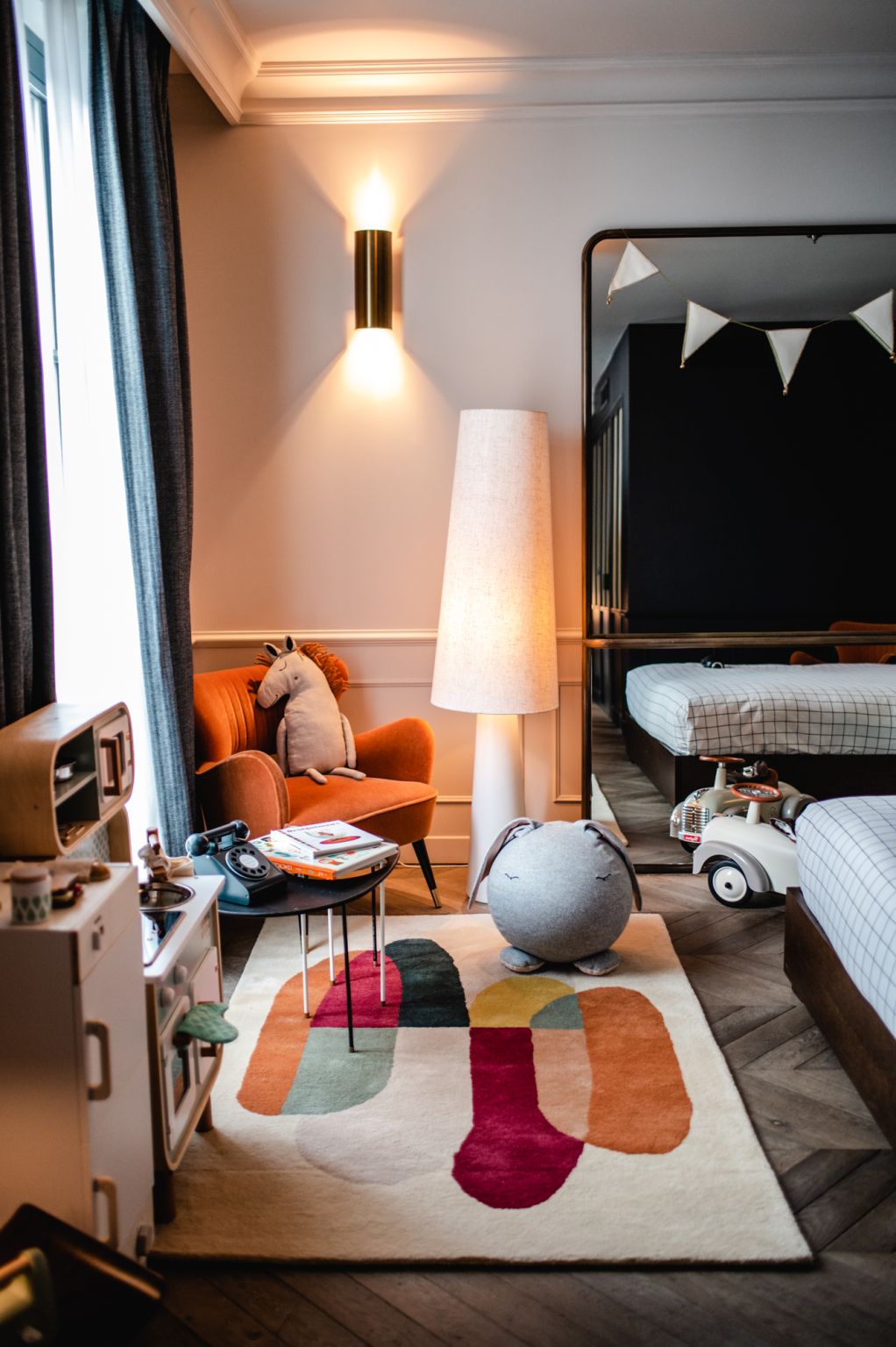
“Every Hoxton starts with the neighborhood,” the team says. “We want guests to feel like they’ve landed in a real neighborhood rather than a hotel bubble. Tiny Hox supports that idea too because when parents aren’t worrying about packing every last essential, it’s easier to get out and enjoy the city together.”
In that sense, the most significant element of Tiny Hox may be what it does not look like. There are no brightly colored interiors demanding attention, no forced playfulness, no visual shorthand for “children welcome.” Instead, the program operates almost invisibly, taking care of the practical details behind the scenes so that the architecture, interiors and neighborhood remain at the center of the experience.
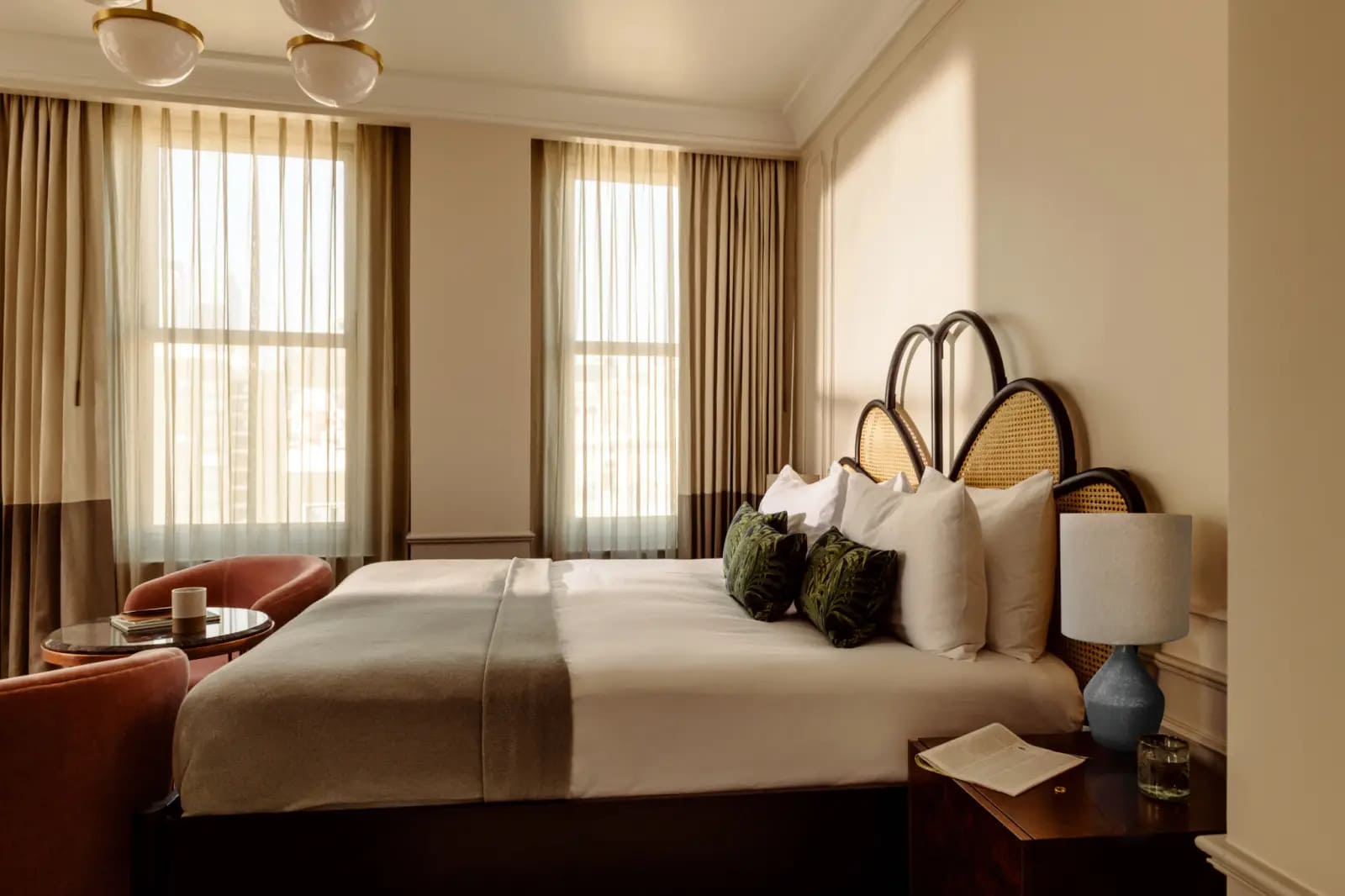
It is a particularly contemporary interpretation of the “home away from home.” At The Hoxton, home is not understood as privacy alone, but as a sense of belonging: somewhere comfortable enough to settle into, yet open enough to connect with other people and with the city beyond it. “The idea of ‘home away from home’ has always been central to The Hoxton’s Open House philosophy,” the designers explain. “The hotels are designed to feel approachable, lived in, and connected to the neighborhoods around them, with shared spaces that encourage people to spend time.”
As the hospitality industry becomes increasingly attentive to the realities of multigenerational and family travel, this may prove to be the more lasting model. Family-friendly does not necessarily need to mean family-specific. The better question is whether a hotel can be designed around real life—messy, social, adaptable and constantly changing – without losing the personality that brought guests there in the first place.
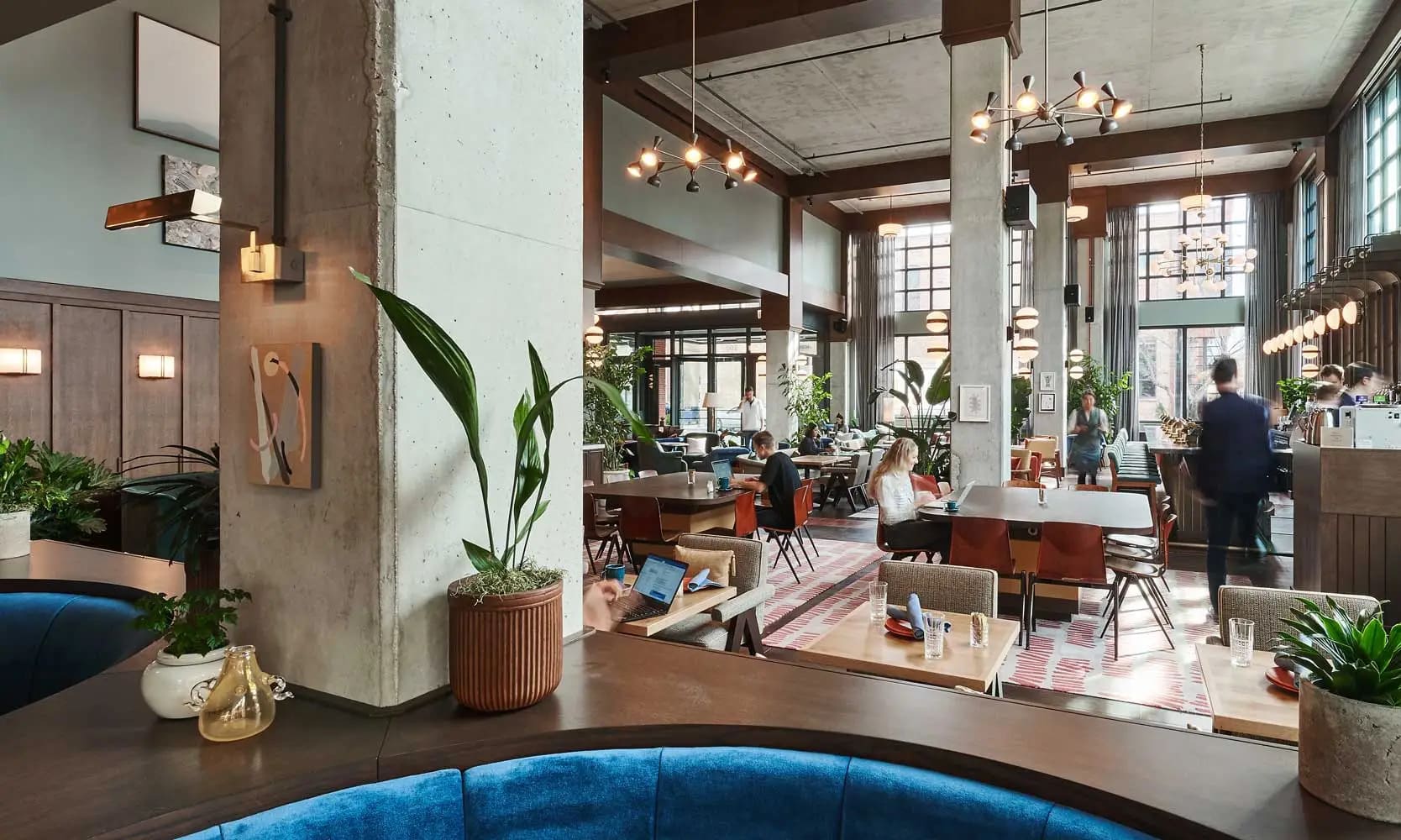
The Hoxton is, in its own words, “20 years young.” Many of the guests who discovered its first Shoreditch outpost are now traveling with children of their own. The evolution of Tiny Hox is therefore less a departure from the brand’s original identity than a reflection of how its audience has evolved.
“People’s expectations of city hotels have changed. Families are looking for the same things every traveler wants: great design, great food, and a real connection to the destination. At the same time, they appreciate when the practical details have already been considered.”
That may ultimately be the most interesting lesson in the project. The future of family hospitality may not belong to hotels that design for families, but to hotels that design better for people. The kind of places where a child, a parent, a remote worker, a couple or a solo traveler can occupy the same space differently – and where thoughtful design makes room for all of them.
Once upon a time there were crafts workshops. Then came the advent of industrial design and mass production.