

The community magazine for the community
Powered by 
The community magazine for the community
Powered by
© Design Courier. Powered by Medelhan. Developed by Broadweb.80
| CANVAS OF PLANS & DRAWINGS |
INTERIOR & DÉCOR, but with a twist |
| HOTELS & RESTAURANTS, beyond mainstream |
Notes on ART |
| Into big AFFAIRS | INSIDERS |
| GLIMPSES | |
Keywords:
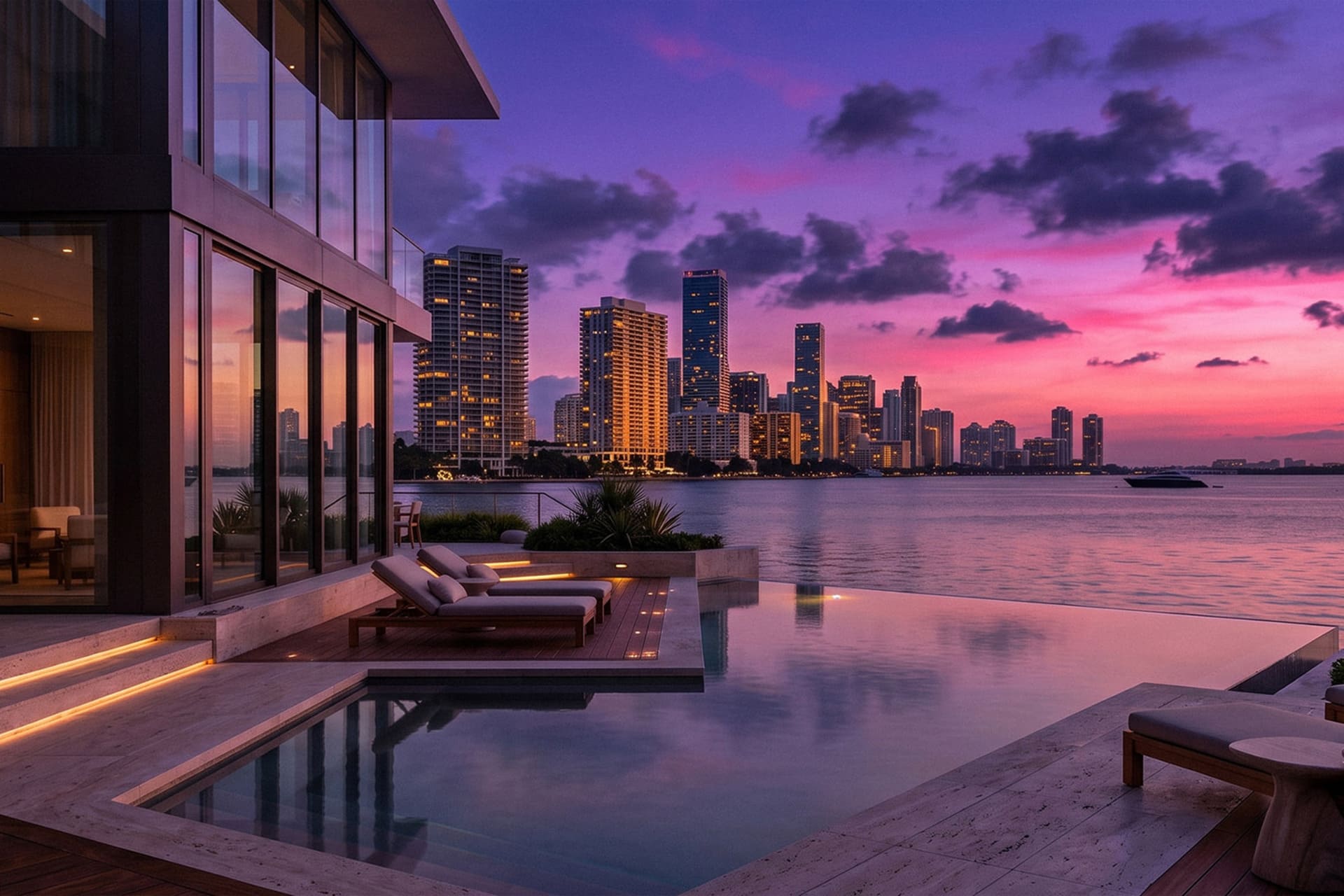
Miami has entered a new phase of economic maturity. No longer defined primarily by tourism, second homes or speculative real estate cycles, the city has become one of the world's most dynamic platforms for global wealth, international capital and lifestyle-led urban development. The transformation is visible not only in its skyline but also in the business models shaping its future. Luxury residential towers are increasingly conceived as hospitality ecosystems, while mixed-use districts integrate offices, wellness, culture, gastronomy and private clubs into highly curated environments. The result is a new urban proposition where real estate is no longer sold merely as property, but as an ongoing service. According to Knight Frank's Wealth Report 2025, Miami ranks among the world's fastest-growing prime residential markets, supported by sustained migration of ultra-high-net-worth individuals, while Savills estimates that the global branded residence sector has expanded from fewer than 200 developments in 2014 to more than 790 operating projects across nearly 100 countries, with another 900-plus developments currently in the pipeline. Few cities illustrate this structural shift more convincingly than Miami, which now hosts one of the largest concentrations of branded residential projects anywhere in the world.
The scale of the phenomenon is remarkable. According to Savills' Branded Residences Report 2024, branded residences globally have grown by more than 180% over the past decade, while projects under development are expected to almost double the existing supply before the end of the decade. Miami alone has become a reference market for the sector, where hospitality brands such as Four Seasons, Aman, Ritz-Carlton, St. Regis and Waldorf Astoria coexist with fashion houses, automotive manufacturers and design brands entering residential real estate. Buyers continue to demonstrate a willingness to pay substantial premiums for these developments. Knight Frank estimates average price premiums between 25% and 35%, with exceptional projects exceeding 50%, reflecting not simply architectural quality but confidence in professional management, long-term asset preservation and globally recognised service standards. For institutional investors and developers, branded residences have also proved remarkably resilient, generating higher absorption rates and stronger pricing than comparable non-branded luxury condominiums, particularly in markets characterised by international demand and constrained waterfront supply.
Yet the competitive advantage increasingly extends well beyond the brand itself. The affluent buyer relocating to South Florida is rarely seeking a seasonal residence; rather, they are establishing a global operational base. Since 2020, Florida has welcomed thousands of high-income households relocating from New York, California and overseas, while financial institutions, private equity firms, hedge funds and technology companies have significantly expanded their regional presence. According to the Miami Downtown Development Authority, more than 160 companies have relocated or expanded operations in the Greater Miami area since 2020, contributing to record office demand despite broader uncertainty across the U.S. commercial property market. Simultaneously, the Florida Council of 100 estimates that the state attracts approximately 1,000 new residents every day, many of whom belong to higher-income demographic segments. This convergence has fundamentally altered residential demand. Luxury developments are now expected to provide executive meeting suites, flexible workspaces, wellness centres, preventive healthcare, private dining, concierge-led business services and hospitality-level programming that support an increasingly mobile executive lifestyle. The apartment is no longer the final product; it functions as the gateway into a professionally managed ecosystem where work, leisure and social capital continuously intersect.
This evolution explains the parallel rise of lifestyle districts and corporate membership clubs as strategic components of urban development. The traditional distinction between office, hotel and private club has become increasingly blurred, giving way to environments where networking, hospitality and cultural programming generate measurable economic value. Across the Miami Design District, Brickell, Wynwood and Coconut Grove, developers are investing not only in physical infrastructure but also in year-round programming designed to cultivate community engagement and reinforce long-term asset performance. Hospitality operators now compete as much through curated experiences as through architecture. Industry analysts estimate that the global market for private members' clubs has expanded at double-digit annual rates over recent years, fuelled by entrepreneurs, investors and internationally mobile executives seeking spaces that combine business functionality with social interaction and wellness. Increasingly, residential developments either incorporate these clubs directly or establish privileged partnerships with them, recognising that recurring engagement enhances resident retention, strengthens brand loyalty and ultimately supports long-term property values.
The financial rationale behind this model is increasingly difficult to ignore. According to JLL's Global Living Investment Universe, institutional capital continues to diversify into operational residential assets capable of generating recurring income beyond traditional sales. Hospitality-branded developments, wellness memberships, private clubs, food-and-beverage operations and cultural programming collectively extend the revenue cycle well beyond the initial transaction, transforming residential projects into long-term operating businesses. At the same time, Miami remains one of the most attractive destinations for international capital seeking political stability, favourable taxation and global connectivity. The city welcomed over 27 million visitors in 2024, while Miami International Airport handled more than 56 million passengers, reinforcing its role as one of the principal gateways between North America, Latin America and Europe. This international accessibility, combined with sustained population growth and limited waterfront development opportunities, continues to underpin pricing resilience even as broader luxury housing markets experience greater volatility. For developers, the implication is increasingly clear: competitive advantage will depend less on iconic architecture alone than on the ability to deliver integrated ecosystems that continuously create value for residents.
Miami therefore offers more than another chapter in the evolution of luxury real estate; it provides an early blueprint for the future of global urban development. The convergence of branded residences, hospitality, wellness, cultural programming and corporate lifestyle clubs reflects a profound shift in how affluent consumers evaluate residential value. Ownership is progressively giving way to membership, permanence to flexibility, and physical assets to curated experiences. As international wealth becomes more geographically mobile and professional lives increasingly transcend traditional office environments, cities capable of combining world-class design with operational excellence will attract disproportionate levels of talent, investment and innovation. Miami's competitive advantage is no longer simply its climate or waterfront geography. It lies in its ability to transform real estate into an ecosystem of services, relationships and experiences – a model that is rapidly becoming the benchmark against which the next generation of global lifestyle destinations will be measured.
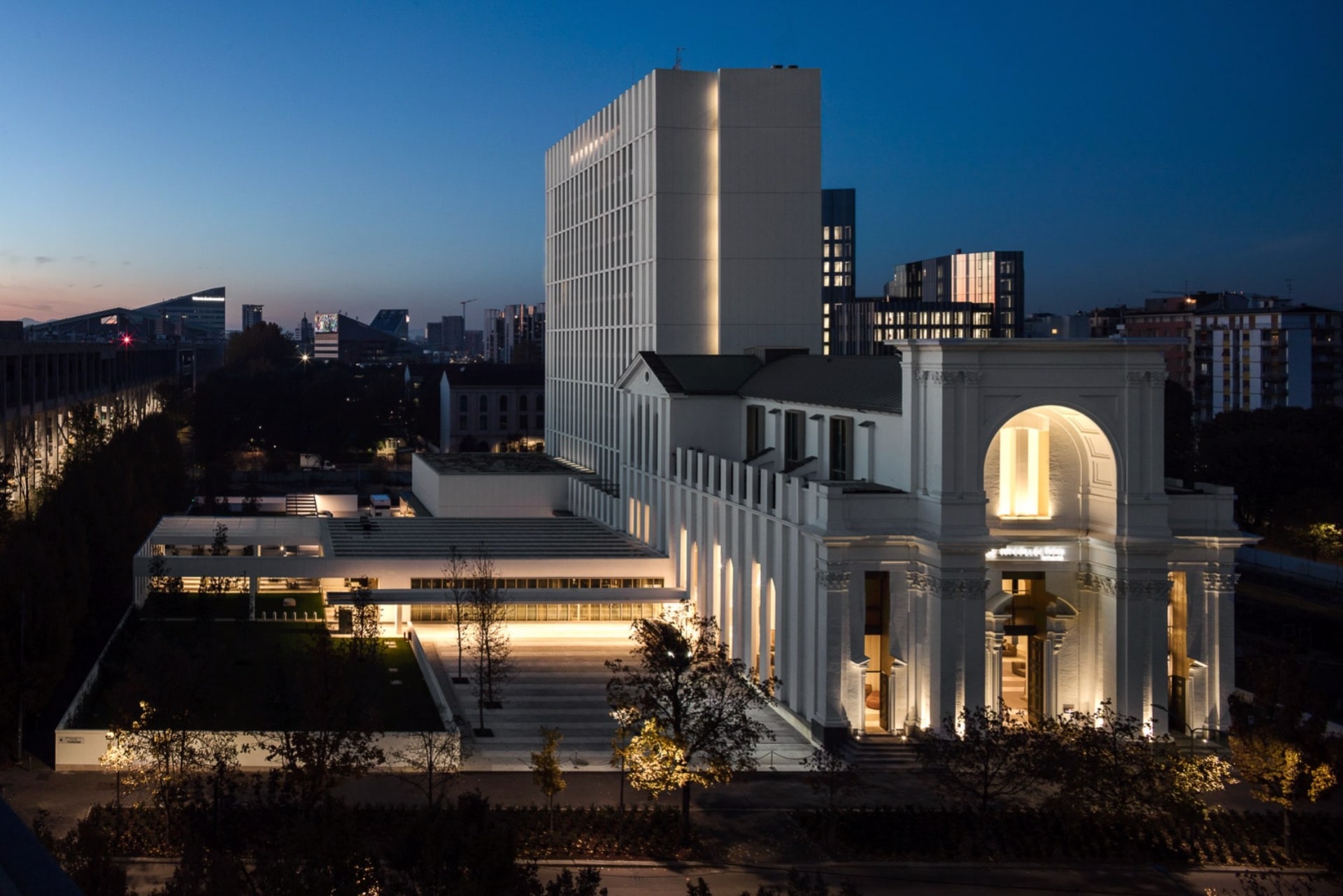
The NH Collection hotel in the Citylife district of Milan attracts attention by a number of aspects, beginning with its location. The building that houses the new hotel is the former Cristo Re church
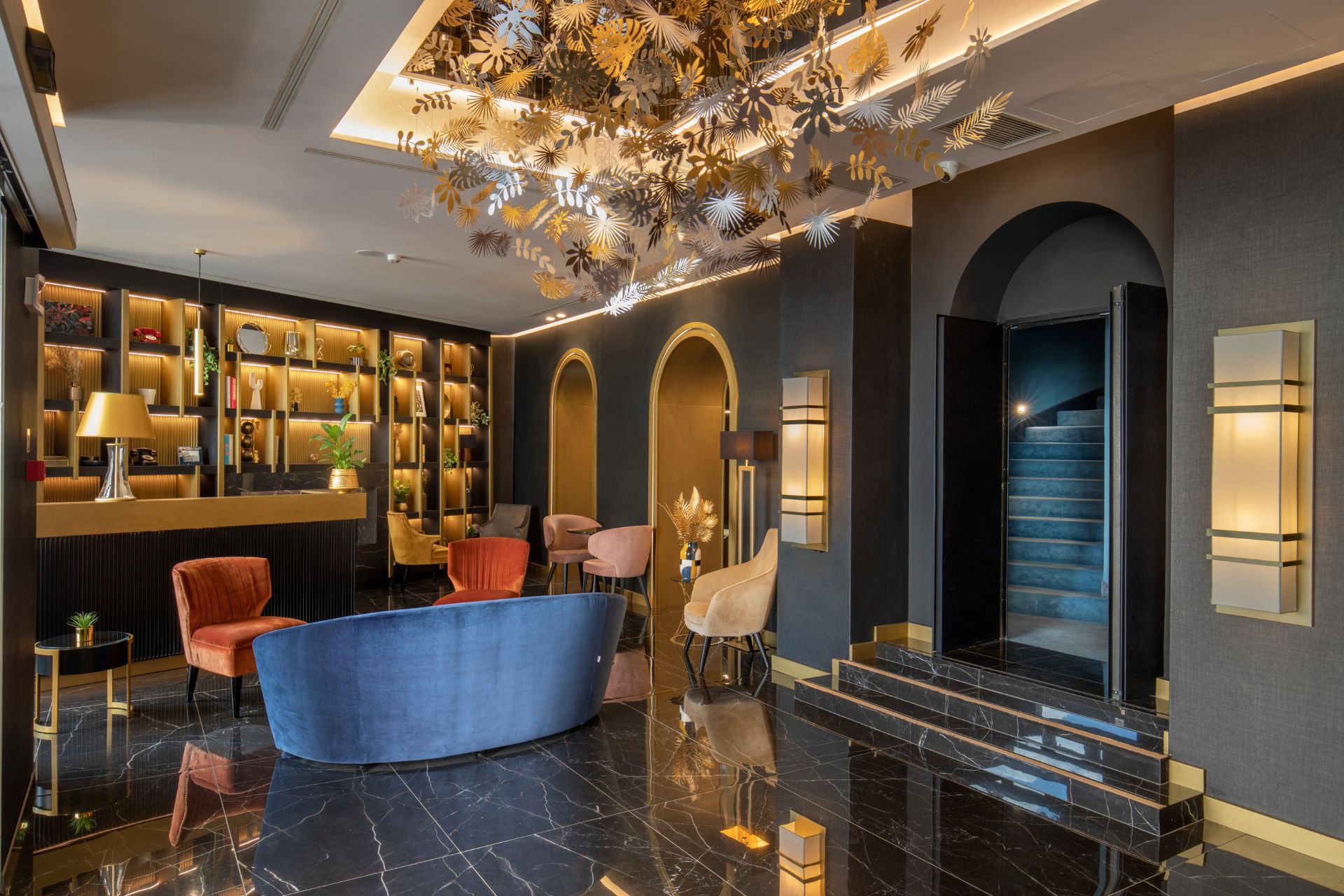
The spaces designed by the Rome-based studio Ceccaroli Architettura are, first and foremost, places of emotions, where to build memories that last over time.