

The community magazine for the community
Powered by 
The community magazine for the community
Powered by
© Design Courier. Powered by Medelhan. Developed by Broadweb.80
| CANVAS OF PLANS & DRAWINGS |
INTERIOR & DÉCOR, but with a twist |
| HOTELS & RESTAURANTS, beyond mainstream |
Notes on ART |
| Into big AFFAIRS | INSIDERS |
| GLIMPSES | |
Keywords:
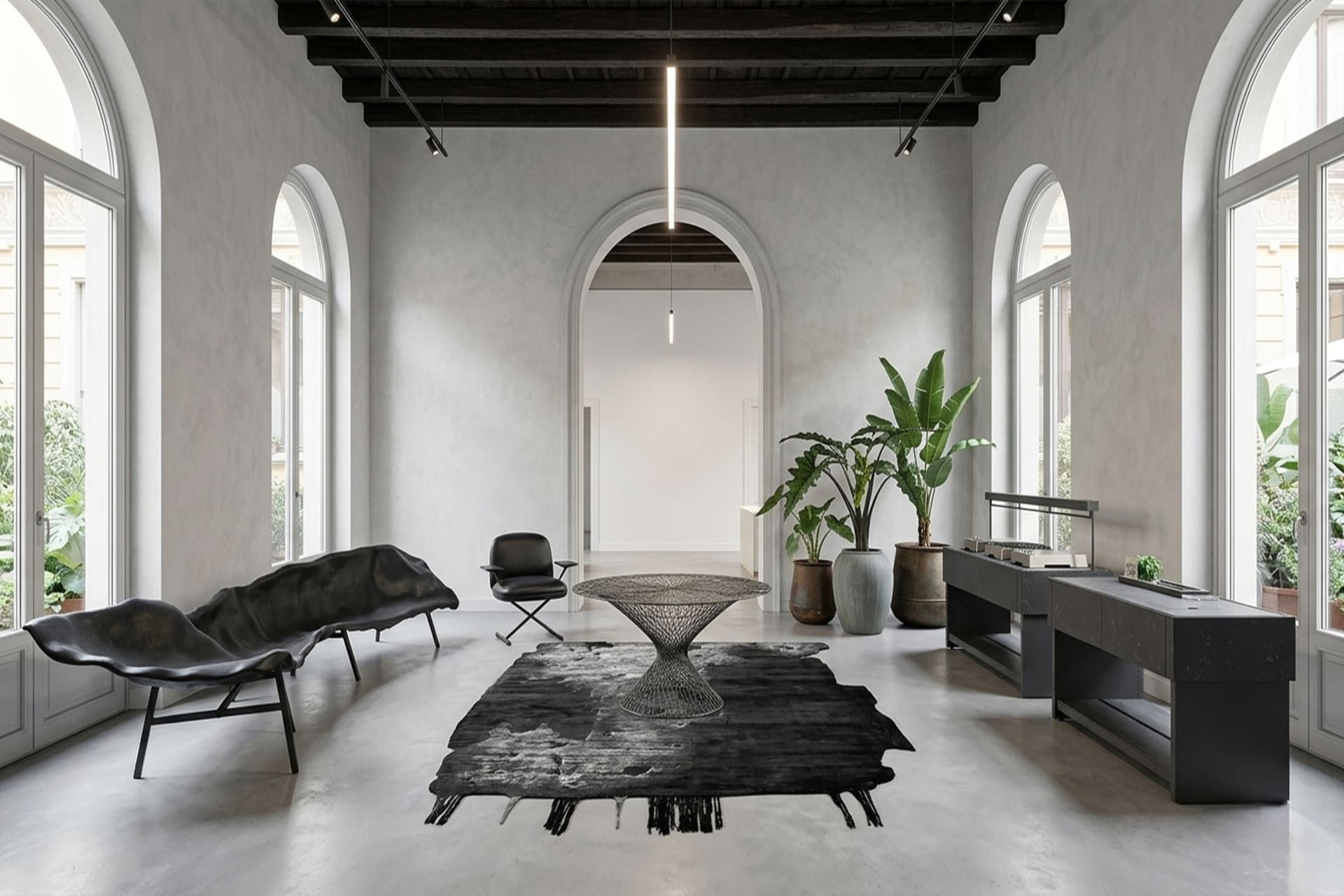
For decades, hospitality design was largely associated with the hotel industry: lobbies conceived as symbols of status, suites designed around luxury codes, restaurants and lounges functioning as extensions of brand identity. Today, however, the definition of hospitality has radically expanded. Hospitality is no longer limited to accommodation; it has become a broader design philosophy influencing residential developments, workplaces, retail environments, private clubs, wellness destinations, and mixed-use urban ecosystems. Increasingly, the industry speaks about “hospitality beyond the hotel” because the values historically associated with hospitality – comfort, atmosphere, personalization, fluidity, emotional connection – are now shaping the entire contemporary experience economy.
The shift is not merely stylistic. It reflects structural changes in both real estate and consumer behavior. According to Knight Frank, the global branded residences sector has more than tripled over the last decade, surpassing 700 active developments worldwide, while mixed-use projects integrating hospitality functions continue to expand across Europe, the Middle East, and Asia. At the same time, the Global Wellness Institute estimates the wellness economy at over 6 trillion dollars, with wellness hospitality and experience-driven real estate among the fastest-growing categories. These figures point toward a decisive transformation: hospitality is becoming the operational model through which contemporary living is imagined and commercialized.
Design sits at the center of this evolution. The visual language of hospitality interiors has changed significantly over the past ten years, moving away from overt luxury toward environments that privilege tactility, emotional resonance, and spatial flexibility. Public spaces increasingly resemble domestic interiors; residential projects adopt the atmosphere and services of boutique hotels; offices incorporate hospitality-driven lounges, cafés, and wellness areas designed to improve both productivity and social interaction. The distinction between temporary and permanent space has become increasingly blurred.
This convergence has profoundly elevated the role of interior products within hospitality environments. Furniture, lighting, surfaces, textiles, acoustic systems, and custom-made elements are no longer conceived as isolated decorative components but as active instruments in shaping user experience. Hospitality design today is less about visual impact alone and more about creating a coherent sensory narrative. Materials communicate values; lighting defines rhythm and intimacy; acoustics influence emotional comfort; craftsmanship signals authenticity and longevity.
The growing importance of sensory experience is also reshaping procurement priorities within the contract sector. Hospitality operators and developers are placing increasing emphasis on durability, sustainability, and adaptability rather than short-term aesthetic trends. According to research published by Hospitality Design Magazine, guest perception is increasingly linked to atmosphere, wellness, and personalization rather than traditional indicators of luxury. As a consequence, manufacturers and design brands are responding with products that integrate natural materials, modular systems, artisanal production, and low-impact processes.
The rise of wellness-oriented hospitality has accelerated this shift even further. Biophilic design, circadian lighting, acoustic comfort, natural ventilation, and tactile materials have become recurring themes across both hospitality and residential projects. Increasingly, interiors are expected not simply to impress but to support physical and emotional well-being. In many luxury developments, wellness is no longer confined to the spa area; it informs the entire spatial experience, from material selection to lighting strategy and furniture ergonomics.
At the same time, hospitality itself is becoming increasingly hybrid. Hotels now incorporate coworking spaces, members’ clubs, branded residences, retail, cultural programming, and wellness facilities within the same ecosystem. Conversely, residential towers, office buildings, and lifestyle developments increasingly borrow operational and aesthetic models from hospitality. The result is a new generation of environments designed less around fixed typologies and more around fluid patterns of living, working, socializing, and traveling.
Within this broader context, design platforms and industry events are increasingly functioning as laboratories for observing these transformations in real time. During the latest edition of Milan Design Week, one of the projects addressing this transition most directly was Next Place Hotel, developed as part of the Medelhan network, which connects architects, developers, hospitality brands, investors, and designers through events, media initiatives, and collaborations focused on hospitality and mixed-use environments.
Presented from 20 to 25 April 2026, Next Place Hotel approached hospitality less as a commercial sector and more as a spatial and cultural framework. The core of the initiative, NEXT PLACE BRERA, explored how contemporary hospitality environments are increasingly defined by atmosphere, movement, and human interaction rather than formal typologies alone. The exhibition brought together international companies and designers within a curated installation developed in collaboration with Medelhan, emphasizing longevity, material sensitivity, and experiential coherence.
The project was curated by OBMI, the international studio specializing in hospitality and mixed-use destinations, under the direction of Jacqueline Tan Co, Senior Lead Designer at OBMI. Rather than focusing on product display in a conventional fair format, the installation examined how hospitality-driven interiors influence perception and behavior through proportion, rhythm, lighting, materiality, and spatial sequencing. The emphasis on emotional comfort and understated sophistication reflected a broader industry trajectory: the movement away from hospitality as spectacle toward hospitality as experience.
This transition is becoming increasingly visible across the global design industry. Hospitality today operates less as a category and more as an expectation embedded within contemporary life. Whether entering a hotel, a residential lobby, a private workspace, or a cultural venue, users increasingly expect environments capable of generating ease, familiarity, and emotional connection. In this sense, hospitality design is no longer exclusively about serving guests; it is about shaping how people inhabit space altogether.
For interior brands, architects, and developers, the implications are substantial. The future of hospitality will likely depend less on stylistic statements and more on the ability to create environments that combine sustainability, flexibility, sensory quality, and cultural authenticity. As hospitality continues to move beyond the hotel itself, interior design products will play an increasingly strategic role – not only in defining aesthetics, but in constructing the emotional architecture of contemporary living.
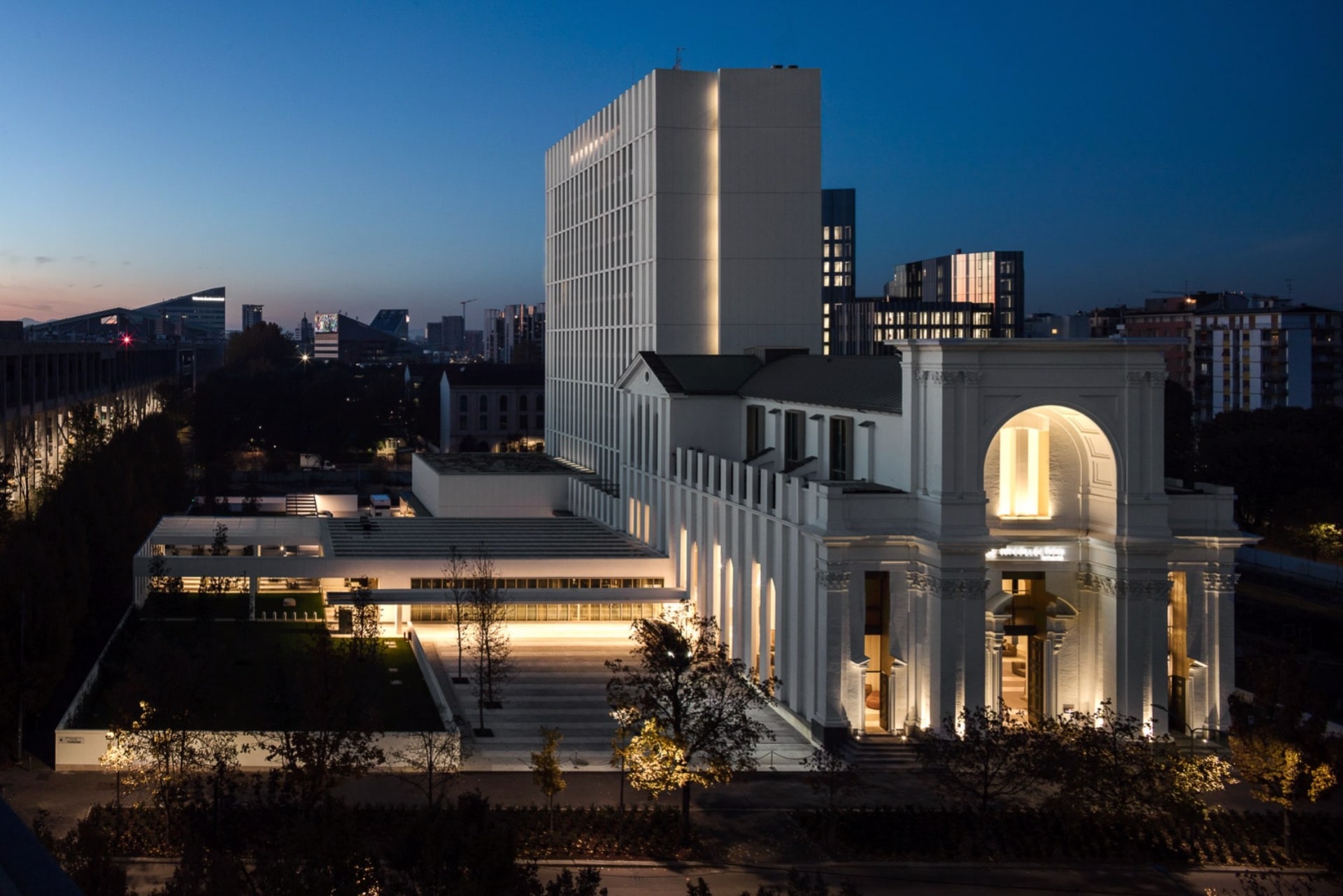
The NH Collection hotel in the Citylife district of Milan attracts attention by a number of aspects, beginning with its location. The building that houses the new hotel is the former Cristo Re church
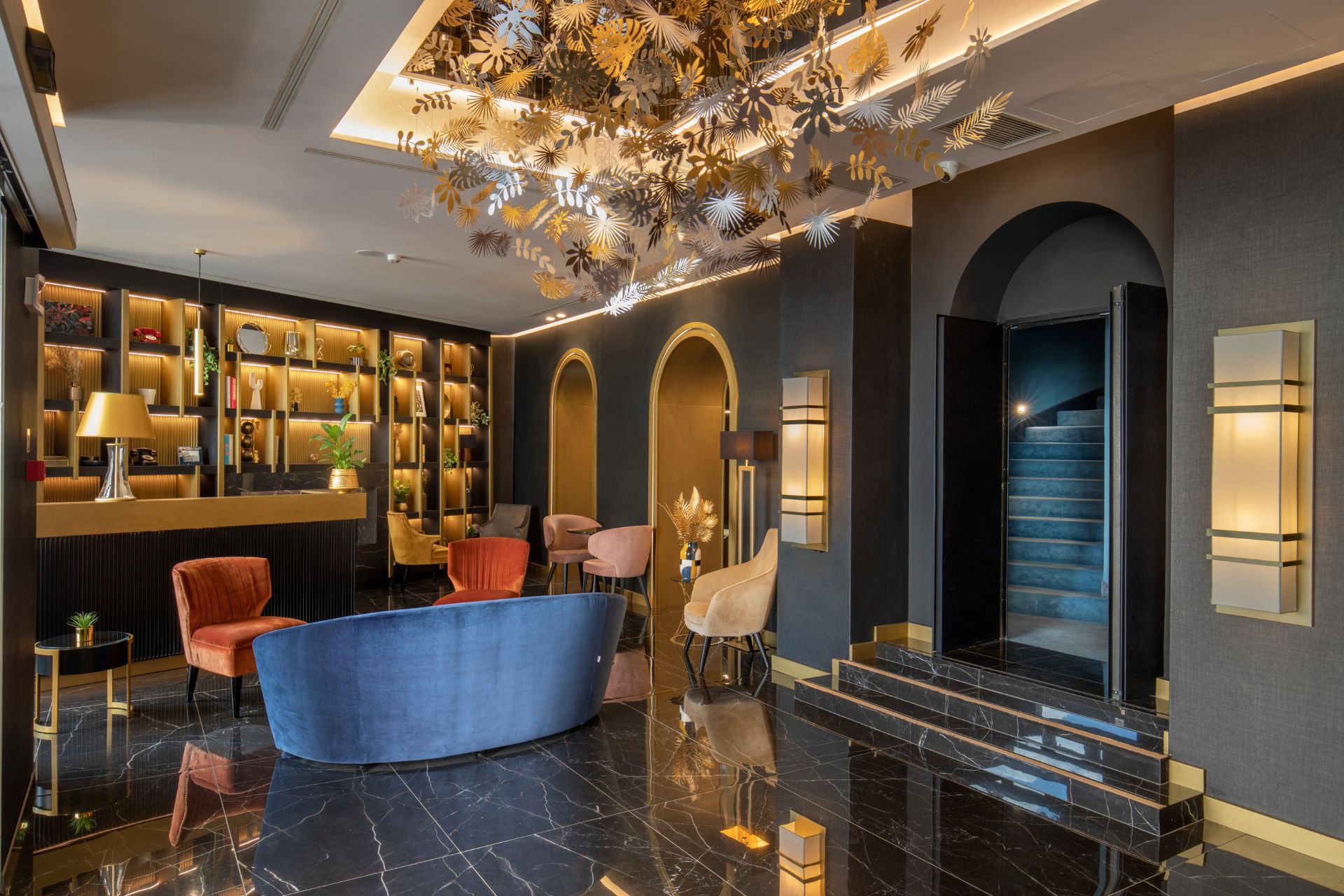
The spaces designed by the Rome-based studio Ceccaroli Architettura are, first and foremost, places of emotions, where to build memories that last over time.