Design Courier

HOME   |

Events

Cersaie 2026: Architecture as a Space for Connection

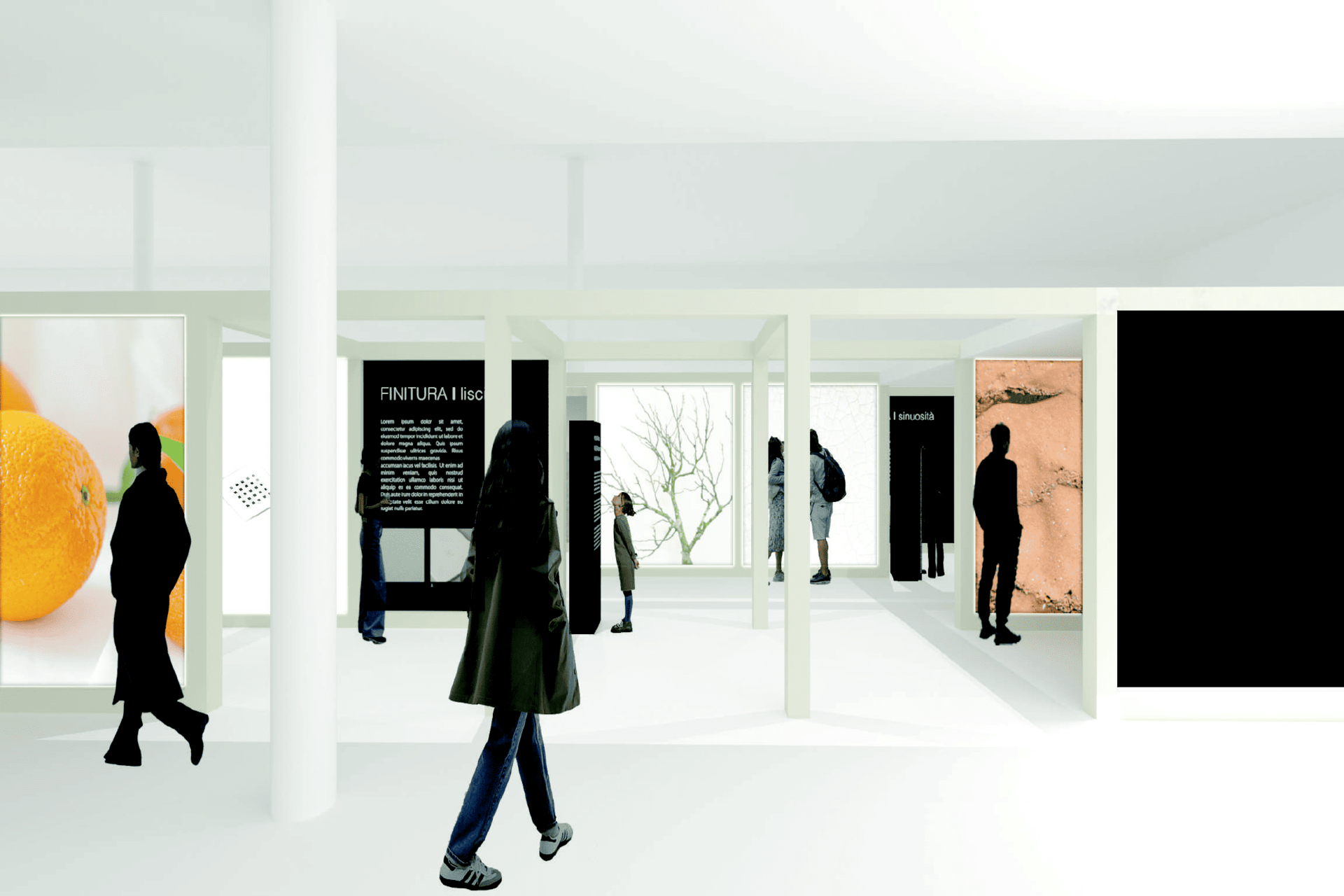
fc4e67ea-35ad-4744-890e-831f1b607e92_cersaie2025_0424.jpg
Architecture is no longer content to stand still. The spaces we inhabit are becoming more fluid, more connected to nature, and increasingly shaped by the ways people move, work, gather and live. The boundaries between building and landscape, private and public, interior and exterior are becoming harder to define – and perhaps that is precisely the point.
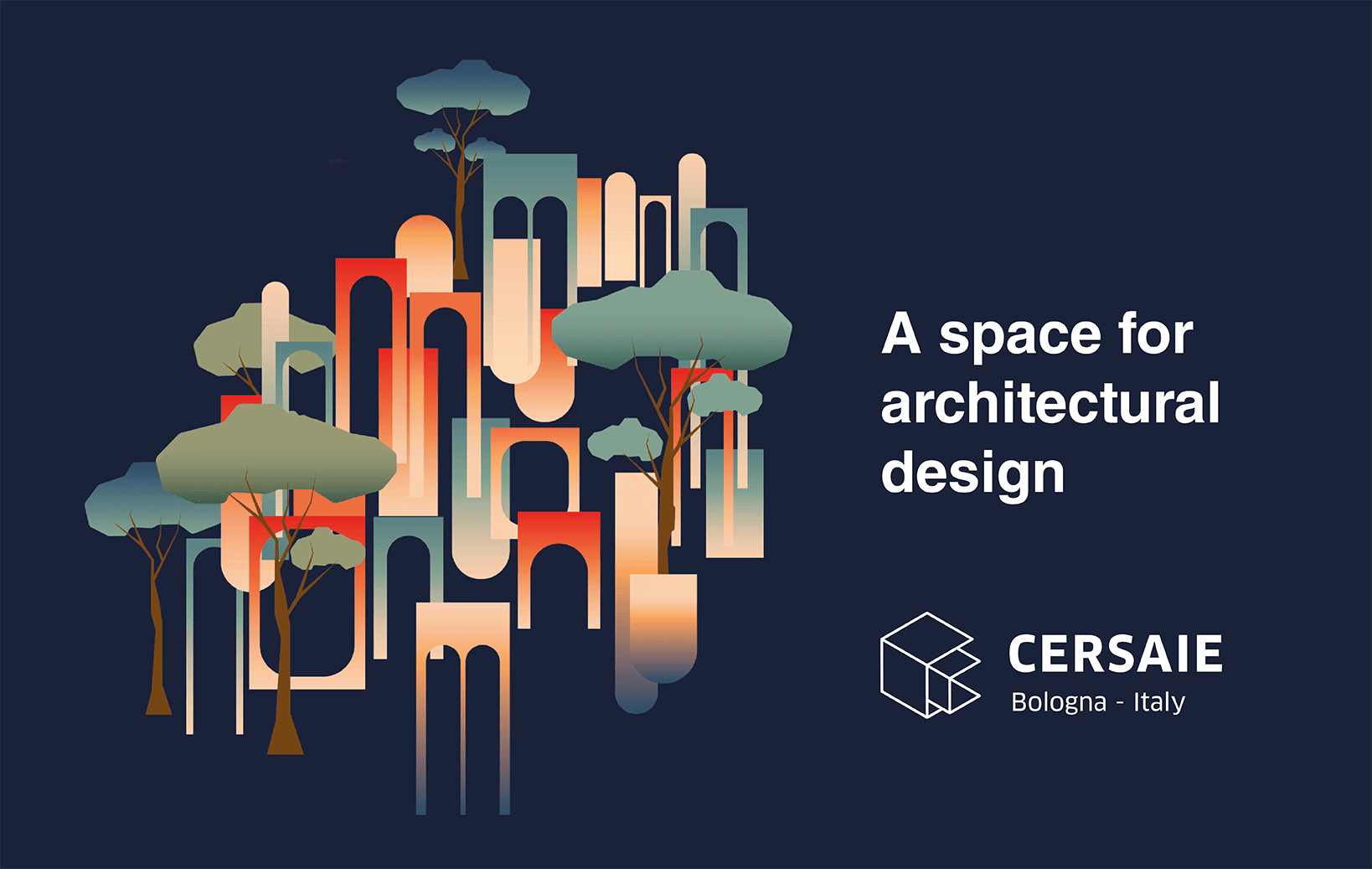
Against this backdrop, Cersaie 2026 arrives in Bologna from September 21 to 25 with a theme that feels less like a statement than an invitation: “A space for architectural design.” For its 43rd edition, the International Exhibition of Ceramic Tile and Bathroom Furnishings looks beyond the surface – quite literally – to consider architecture as an open framework for relationships, exchange and transformation.
ceramiche-coem-cersaie-2026.png

The manifesto for this year translates that idea into an imagined city: a landscape of arches, vertical structures and coloured volumes interwoven with trees and natural elements. It is neither entirely urban nor entirely organic, but something in between. The architecture appears to breathe, adapt and coexist with its surroundings – a visual interpretation of a profession increasingly concerned with flexibility, wellbeing and the relationship between built and natural environments.

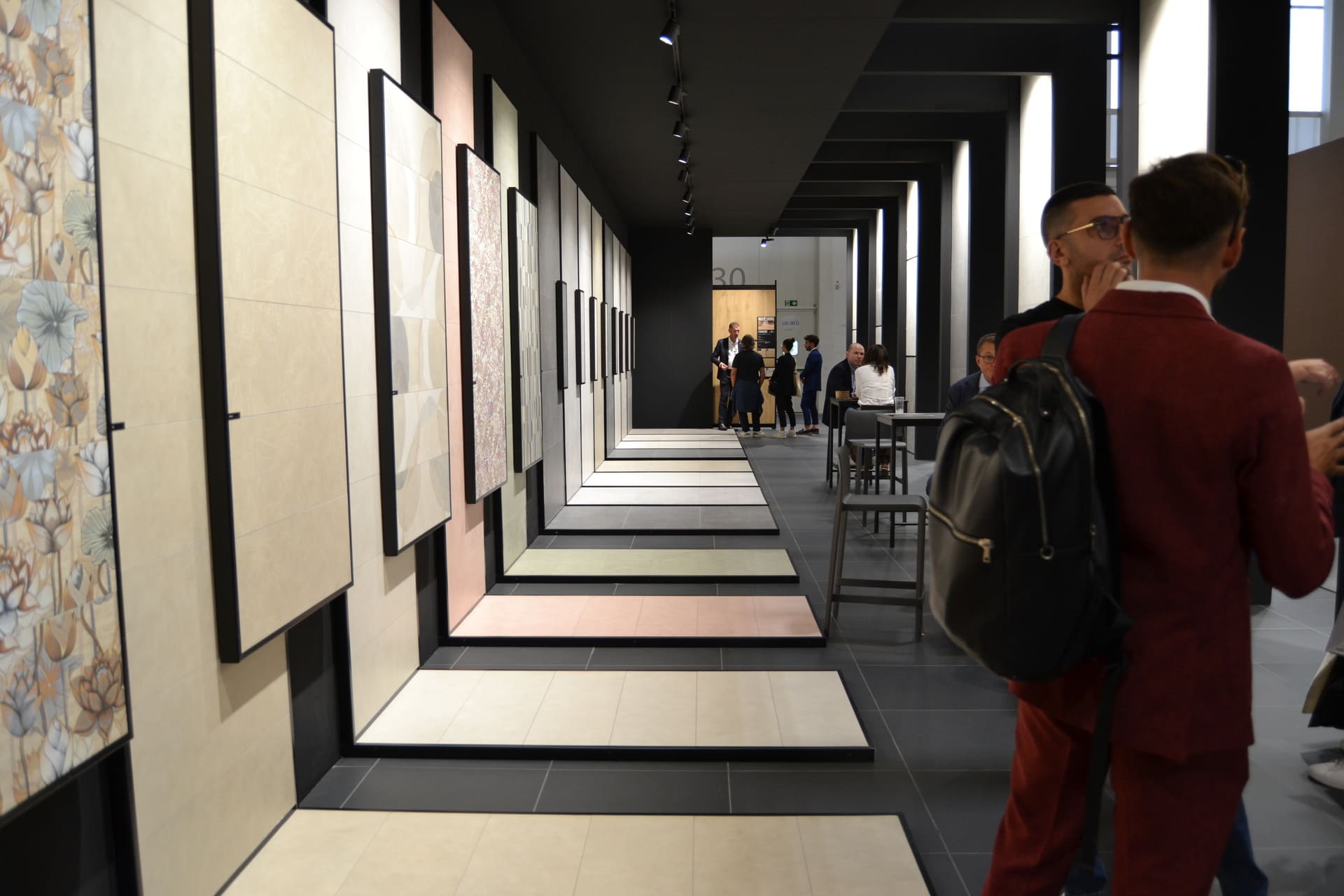
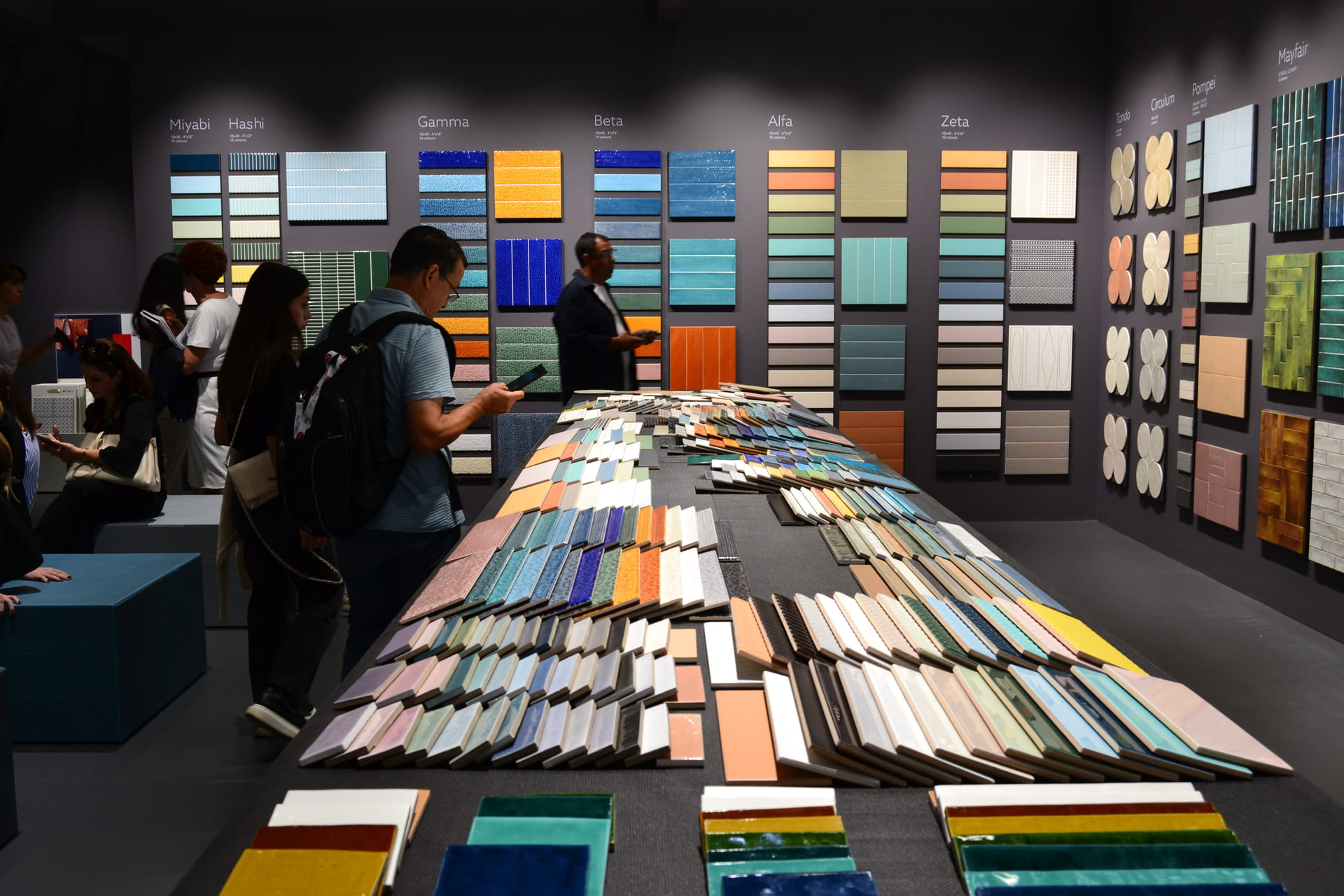
It is also an apt image for Cersaie itself. Over the years, the Bologna exhibition has grown from a showcase of ceramic surfaces and bathroom furnishings into one of the key meeting places for the international architecture and design community. Its significance lies not only in what is displayed, but in the conversations that happen around it: between architects and manufacturers, designers and contractors, technology and craftsmanship, new ideas and the practical realities of building.

In 2026, those conversations extend well beyond the interior. From the transformation of major urban infrastructures to the evolving culture of installation, Cersaie’s programme reflects a profession increasingly interested in the systems behind architecture – and in how design can respond to a world that is itself in constant motion.

Image copyright: @Cersaie

From the City to the Detail: Rethinking the Built Environment

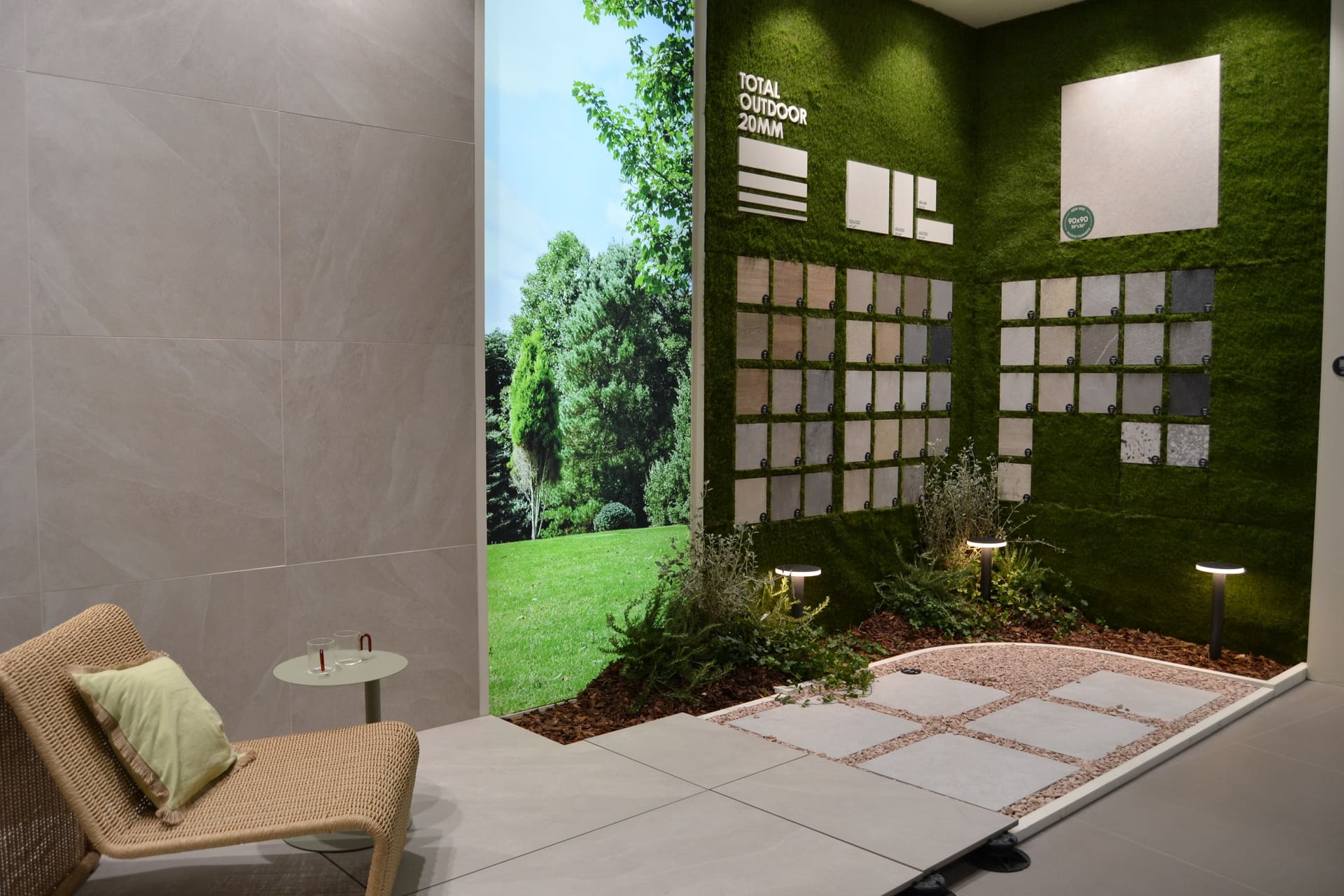
The programme surrounding Cersaie 2026 expands this perspective from interiors to the wider city. One of the most interesting conversations will focus on the architecture of infrastructure, exploring how major public works are becoming increasingly relevant to the quality and identity of urban environments.

Image copyright: @Cersaie

On September 23, the cultural programme costruire, abitare, pensare, organised in collaboration with THE PLAN, will look at the new Line 2 of the Turin metro – a project that brings together architecture, engineering, mobility and urban planning. The discussion reflects a growing understanding of infrastructure as something more than a technical response to movement. Transport systems, stations and public structures can reshape neighbourhoods, create new civic spaces and contribute to the regeneration of entire areas.

Image copyright: @Cersaie
It is a fitting subject for a fair whose central question is ultimately about the relationship between architecture and the world around it. From the scale of the city to that of a single surface, the built environment is increasingly being considered as a connected system.
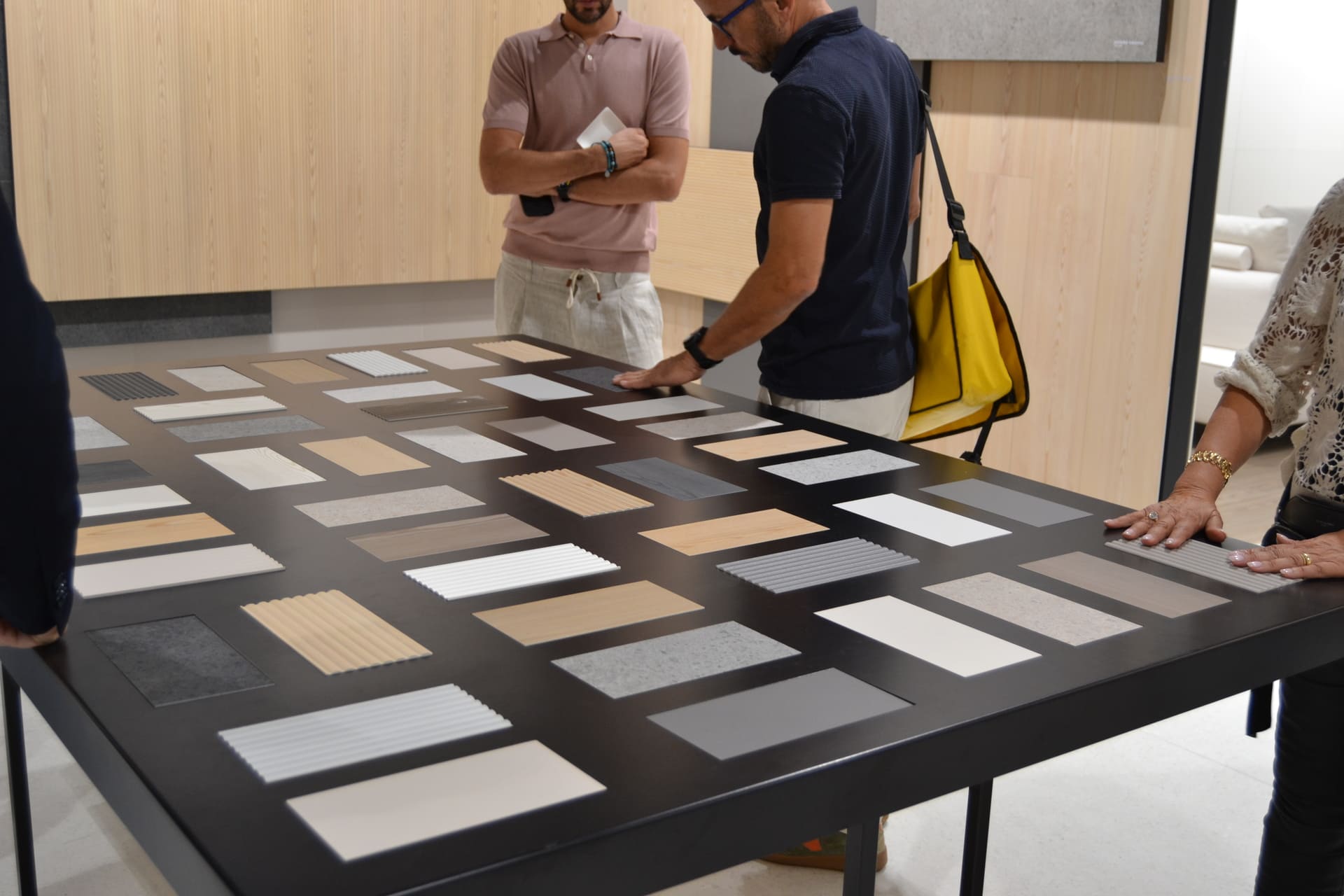
That same connection becomes particularly visible in the renewed Padiglione 19, where Cersaie will once again place the world of installation and craftsmanship in the spotlight. Demonstrations, training initiatives and international competitions will explore how increasingly ambitious ceramic applications are changing the role of the installer – a reminder that innovation in architecture does not stop at the drawing board.
Technology will be part of this story too. Virtual and augmented reality, digital surveying and automated systems will be presented alongside more traditional forms of expertise, illustrating a profession in transition. The Cersaie World Tiling Lab, meanwhile, will bring together installation teams from Italy, Switzerland, Denmark, Morocco, the United States and Brazil, turning craftsmanship into an international exchange of knowledge.
Image copyright: @Cersaie

What emerges is perhaps the most interesting aspect of Cersaie 2026: its attempt to bring different scales and disciplines into the same conversation. Architecture meets infrastructure; design meets construction; digital tools meet manual skills; nature meets the built environment.

In that sense, “A space for architectural design” is less a slogan than a way of describing the role Cersaie wants to play. The fair is becoming a space where architecture can be discussed not simply through images and finished projects, but through the relationships, processes and ideas that make those projects possible.

For an industry navigating new expectations around sustainability, adaptability and quality of life, that broader conversation may be more significant than any single trend. Cersaie 2026 arrives at a moment when architecture is being asked to do more than define how places look. It is being asked to create environments that connect people, support new ways of living and remain open to change.

Bologna, for five days, will be the place to explore what that might look like.

logo-cersaie.jpg
logo-cersaie.jpg
Magazine Design Courier

Get Design Courier straight to your inbox

The community magazine for the community
Powered by Medelhan - The Global Design Network

The community magazine for the community
Powered by Medelhan - The Global Design Network
© Design Courier. Powered by Medelhan. Developed by Broadweb.80
The community magazine for the community
Powered by Medelhan - The Global Design Network
The community magazine for the community
Powered by Medelhan - The Global Design Network

Get Design Courier straight to your inbox

© Design Courier. Powered by Medelhan. Developed by Broadweb.80